
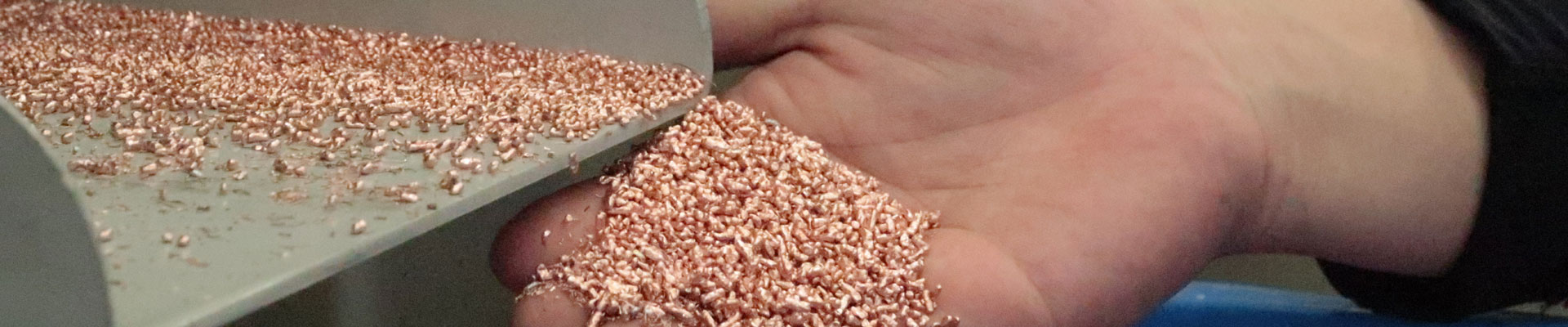
Systems for Recycling Scrap Electric Engines
As global industries accelerate toward electrification and automation, the number of scrap electric engines is increasing rapidly every year. Electric motors are widely used in automobiles, industrial equipment, household appliances, HVAC systems, elevators, pumps, and renewable energy machinery. When these motors reach the end of their service life, recycling becomes both an environmental necessity and a profitable business opportunity.
Modern systems for recycling scrap electric engines are designed to recover valuable metals efficiently while reducing labor costs and environmental pollution.
Sources of Scrap Electric Engines
Scrap electric engines mainly come from the following industries:
- End-of-life electric vehicles (EVs)
- Industrial machinery replacement
- Household appliances
- Air conditioners and compressors
- Pumps and generators
- Mining and construction equipment
- Factory automation systems
The rapid growth of EV production and industrial modernization has significantly increased the volume of discarded electric motors worldwide.
Why Scrap Electric Engine Recycling Is Growing
1. Rising Metal Prices
Electric motors contain high-value metals such as copper, aluminum, and steel. Global metal prices continue rising, making recycling increasingly profitable.
2. Environmental Regulations
Many countries are strengthening recycling and waste management laws to reduce landfill waste and carbon emissions.
3. Renewable Energy Development
Wind turbines, EV systems, and solar tracking equipment all use electric motors, creating future recycling demand.
4. Circular Economy Trend
Manufacturers increasingly prefer recycled metals to reduce raw material costs and improve sustainability.
Structure Composition of Scrap Electric Engines
Electric motors contain multiple recyclable materials.
Main Components Include:
- Copper winding
- Aluminum housing
- Silicon steel sheet
- Iron rotor and stator
- Plastic insulation
- Bearings and shafts
Among these materials, copper has the highest recycling value due to its excellent conductivity and strong industrial demand.
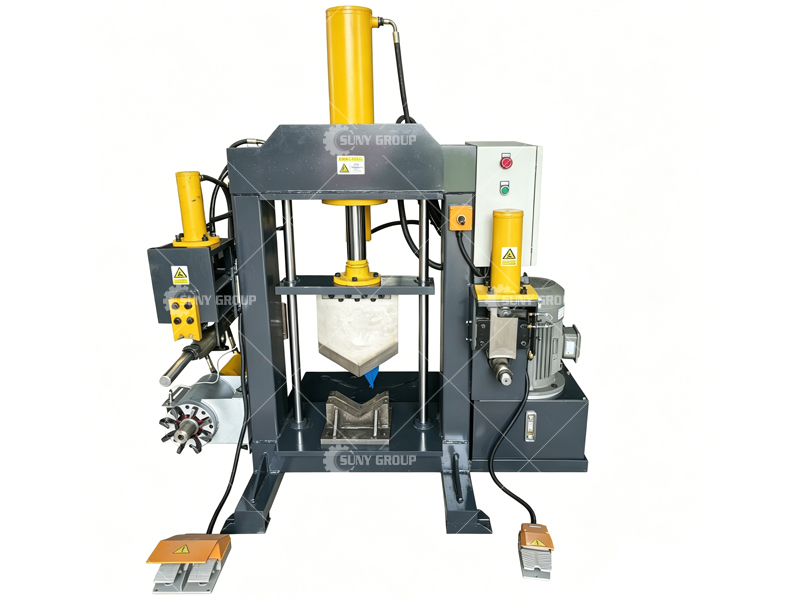
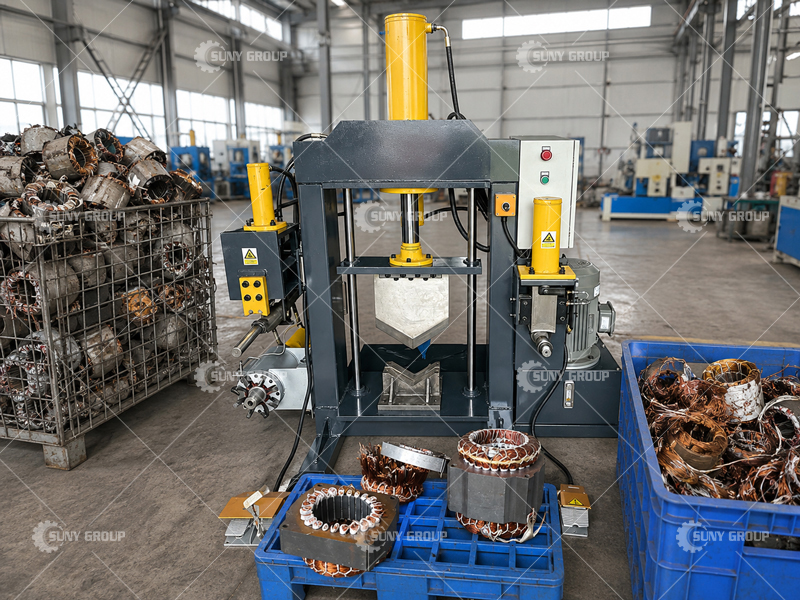
Five-in-One Scrap Electric Engine Recycling Machine
A modern five-in-one recycling system integrates several processing stages into one complete automated line.
Main Functions of the Five-in-One Machine
- Cutting Function
The hydraulic cutting system is designed to cut large motor stators and electric motor housings into manageable sections. With strong hydraulic pressure, the machine can easily process heavy-duty industrial motors, reducing manual dismantling time and improving safety. - Separation Function
After cutting, the separation unit efficiently separates the motor shell, silicon steel core, and copper winding. This step improves material purity and prepares the stator for the next recycling process while minimizing copper loss. - Slicing Function
The slicing system precisely cuts the stator core into smaller pieces or sections. By opening the silicon steel layers, the machine makes copper extraction faster and more efficient. This process is especially useful for tightly wound motor stators. - Copper Extraction Function
The copper extraction unit pulls copper windings out of the sliced stator automatically. High extraction efficiency ensures maximum copper recovery with minimal damage, increasing the recycling value of scrap electric motors. - Integrated Hydraulic System
All five functions are integrated into one compact hydraulic-driven machine. This fully automatic design reduces labor costs, saves factory space, improves recycling efficiency, and supports continuous industrial operation for motor stator recycling plants.
Advantages of Scrap Electric Engine Recycling Systems
Modern electric motor recycling machines provide several major advantages:
High Recovery Efficiency
- Copper recovery rate can exceed 98%
- High-purity metal output
Fully Automatic Operation
- Reduces manual labor
- Continuous processing system
Environmental Protection
- Dust collection system included
- Low noise and pollution control
Wide Material Compatibility
- Suitable for different motor sizes and structures
High Profitability
- Fast return on investment
- Valuable metal recovery
Recycled Materials and Their Applications
After recycling, the recovered materials can be reused in multiple industries.
| Recycled Material | Main Application Industry |
|---|---|
| Copper | Electrical cables, transformers, EV manufacturing |
| Aluminum | Automotive parts, construction materials |
| Iron & Steel | Steel mills, machinery manufacturing |
| Plastic | Plastic granule production |
| Silicon Steel | Electrical equipment manufacturing |
Recovered copper is especially valuable because it can be directly reused in power transmission and new motor production.
Future Market Outlook
The global demand for electric motor recycling equipment is expected to grow rapidly over the next decade. Increasing EV adoption, industrial upgrades, and sustainability policies are driving investment in advanced recycling technologies.
Businesses investing in systems for recycling scrap electric engines can benefit from stable raw material demand, strong recycling profits, and long-term environmental advantages.
With advanced five-in-one recycling machines, companies can achieve efficient metal recovery, lower operating costs, and environmentally friendly production while supporting the global circular economy.