
Copper Separator Machine from Wire
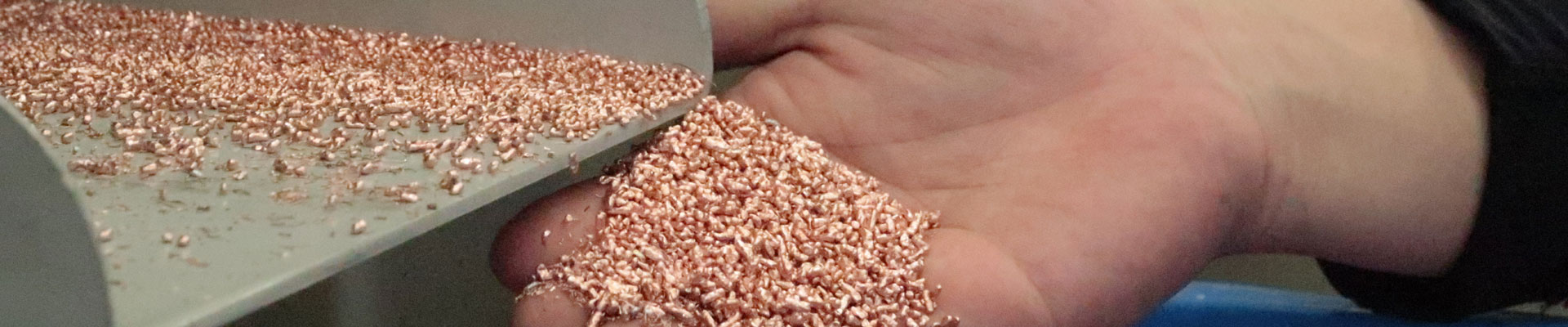
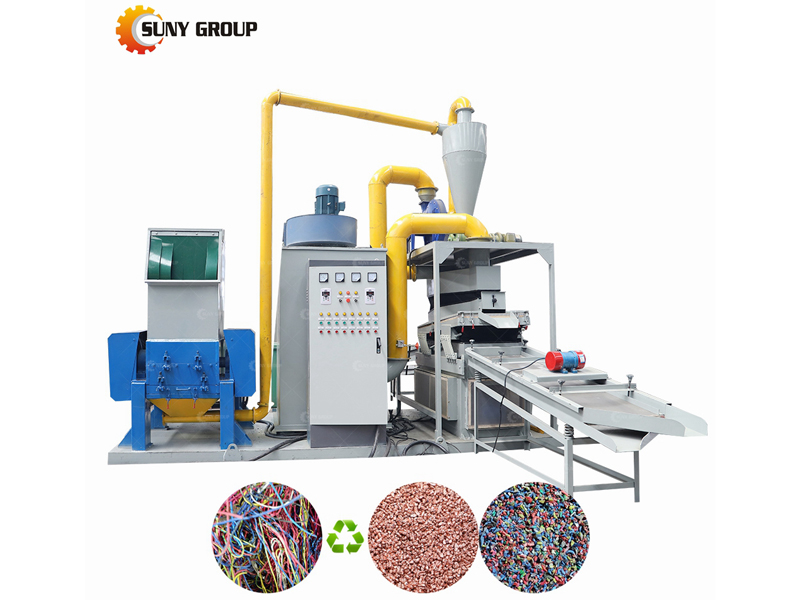
As the amount of waste electrical cables, communication wires, automotive harnesses, and industrial wiring continues to increase, recovering copper efficiently has become a key part of modern recycling. copper separator machine from wire is specially designed to process scrap cables and separate copper conductors from PVC, PE, rubber, and other insulating materials. By integrating shredding, granulation, screening, and air separation technologies, the system can efficiently recover high-quality copper granules while producing recyclable plastic insulation.
What Is a Copper Separator Machine from Wire?
Copper separator machine from wire is a recycling machine used to separate copper conductors from insulation materials such as PVC, PE, and rubber. Unlike manual wire stripping, modern copper wire separation equipment can process large quantities of mixed scrap wire continuously.
The basic recycling process generally includes:
- Feeding waste wires into the processing system.
- Shredding or cutting wires into smaller pieces.
- Granulating the material into copper and plastic particles.
- Separating copper from insulation through air or vibration-based separation.
- Collecting copper and plastic as separate products.
This process allows recyclers to recover valuable copper while reducing manual labor and material waste.
What Types of Wire Can Be Processed?
The suitable feedstock depends on the machine configuration, but a copper wire separator machine can commonly process different types of scrap wires and cables, including:
- Electrical wires
- Communication cables
- Automotive wiring harnesses
- Household cables
- Computer cables
- Industrial wires
- Mixed copper cables
- Thin copper wires
Before selecting equipment, recyclers should evaluate wire diameter, insulation type, copper content, and contamination level. Different wire sizes may require different cutting, granulating, and separation configurations.
Main Equipment in a Copper Wire Separation System
A complete copper wire recycling machine may combine several pieces of equipment to achieve efficient material separation. Typical equipment includes:
1. Cable Shredder
A cable shredder reduces large or tangled wires into smaller pieces and creates a more uniform feed for the granulator.
2. Wire Granulator
The granulator cuts the processed cables into small particles. Proper particle size is important because copper and insulation need to be sufficiently liberated before separation.
3. Air Separator
An air separation system uses differences in density and aerodynamic behavior to separate heavier copper particles from lighter plastic insulation.
4. Vibrating Separator
A vibrating table or separator can further classify materials and improve the quality of the recovered copper.
5. Dust Collection System
A dust collector helps control fine particles generated during shredding and granulation, contributing to a cleaner working environment.
Copper Recovery Rate and Purity
The performance of a copper separator machine from wire depends on several factors, including feedstock composition, wire diameter, particle size, separation technology, and machine adjustment.
To improve copper recovery and purity, operators should:
- Sort wires according to size and material type.
- Maintain suitable granulation particle size.
- Prevent excessive feeding that overloads the separator.
- Keep blades and screens in good condition.
- Adjust airflow and separation parameters according to the material.
- Remove excessive impurities before processing.
For mixed wire materials, testing the actual feedstock before final equipment selection is an effective way to determine the appropriate process configuration.
Copper Wire Granulation and Separation Process
A typical copper wire granulation and separation process follows a continuous sequence:
Scrap Wire → Feeding → Shredding → Granulation → Screening → Air Separation → Copper Collection + Plastic Collection
During granulation, the insulation is separated from the copper conductor mechanically. The resulting mixed particles then enter the separation system. Because copper is considerably denser than most plastic insulation, controlled air separation and screening can effectively classify the two materials.
The final copper granules can be collected for further metal processing, while PVC or PE particles can be recovered as secondary plastic material.
How to Build a Complete Copper Wire Recycling Line
For recyclers handling large quantities of cable scrap, a complete copper wire recycling line can integrate feeding, shredding, granulation, separation, screening, dust collection, and material collection into one automated system.
The main steps for designing a recycling line include:
- Analyze the raw materials – Identify wire types, diameters, insulation, and contamination.
- Determine processing capacity – Estimate the required tons per hour according to daily material volume.
- Select suitable equipment – Match shredders, granulators, separators, and screens to the feedstock.
- Design the production flow – Arrange equipment to ensure smooth and continuous material movement.
- Install dust control – Add appropriate dust collection equipment where necessary.
- Integrate automation – Use electrical controls to coordinate feeding, shredding, granulation, and separation.
- Test and optimize the system – Adjust particle size, airflow, and feeding speed according to actual material.
A properly configured copper separator machine from wire can transform mixed scrap cables into valuable copper granules and recyclable plastic. With suitable equipment selection and process control, the complete recycling line can improve material recovery, reduce manual processing, and provide a practical solution for modern copper wire recycling.