
Wire Recycling Granulator Machine Price
“Wire” mainly refers to electrical cables and conductive wires made from copper or aluminum. These wires are widely used in power transmission, telecommunications, automobiles, household appliances, construction projects, and industrial equipment.
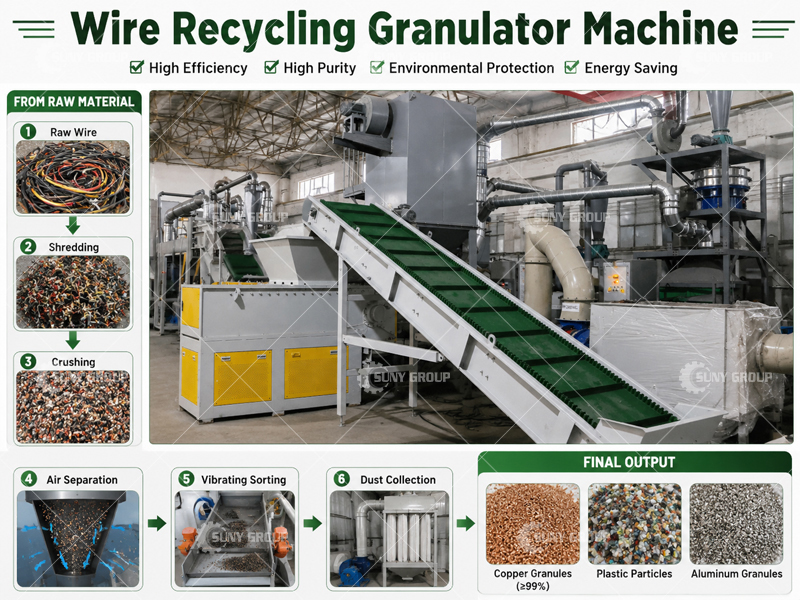
Common recyclable wire types include:
- Copper electrical wire
- Automotive harness wire
- Communication cables
- Aluminum wire
- Household appliance wires
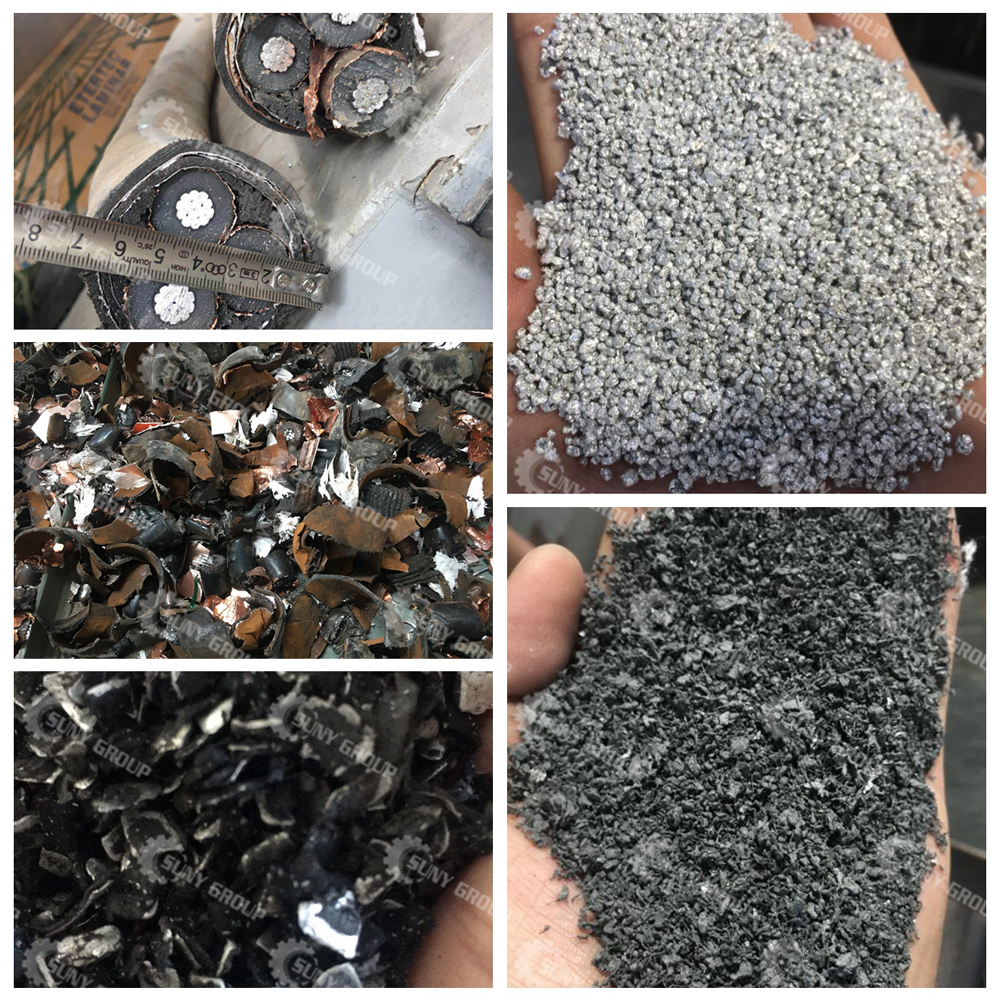
- Underground power cables
Most wires contain valuable metals covered by plastic insulation such as PVC, PE, or rubber.
Main Sources of Scrap Wire
With rapid industrial development and electronic upgrades, large quantities of scrap wire are generated every year. Major sources include:
- Construction and demolition projects
- Waste household appliances
- Automotive recycling industry
- Power grid replacement projects
- Electronic waste recycling plants
- Communication cable upgrades
These discarded cables still contain high-purity copper or aluminum, making recycling highly profitable.
Why Is Wire Recycling Important?
Wire recycling offers both environmental and economic benefits.
Environmental Benefits
- Reduces landfill waste
- Prevents metal resource waste
- Lowers mining pollution
- Reduces carbon emissions
Economic Value
Recycled copper has a very high market value. A quality wire recycling granulator machine can efficiently separate copper from plastic, helping recyclers achieve fast returns.
Recovered materials include:
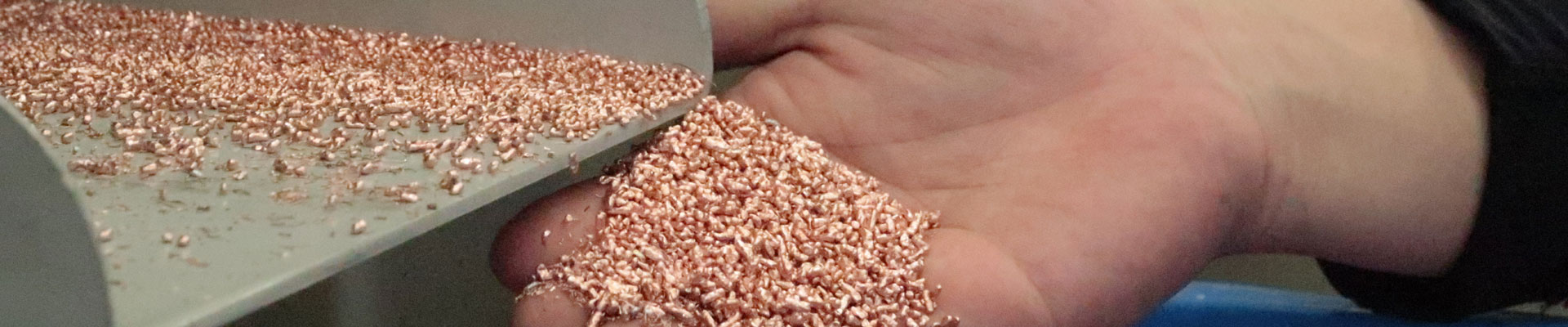
- Copper granules
- Aluminum particles
- Plastic insulation particles
These materials can be reused in manufacturing, metallurgy, plastic processing, and cable production industries.
How to Choose a Wire Recycling Granulator Machine
Choosing the right machine depends on wire type, capacity, and budget.
Key Selection Factors
1. Raw Material Type
Different machines process different wire diameters and materials.
2. Production Capacity
Common capacities include:
- 100 kg/h
- 300 kg/h
- 500 kg/h
- 1000 kg/h
3. Separation Efficiency
High-quality machines can achieve copper purity above 99%.
4. Dust Removal System
An advanced dust collection system improves environmental protection and workplace safety.
5. Automation Level
Fully automatic systems reduce labor costs and improve productivity.
Working Principle of Wire Recycling Granulator Machine
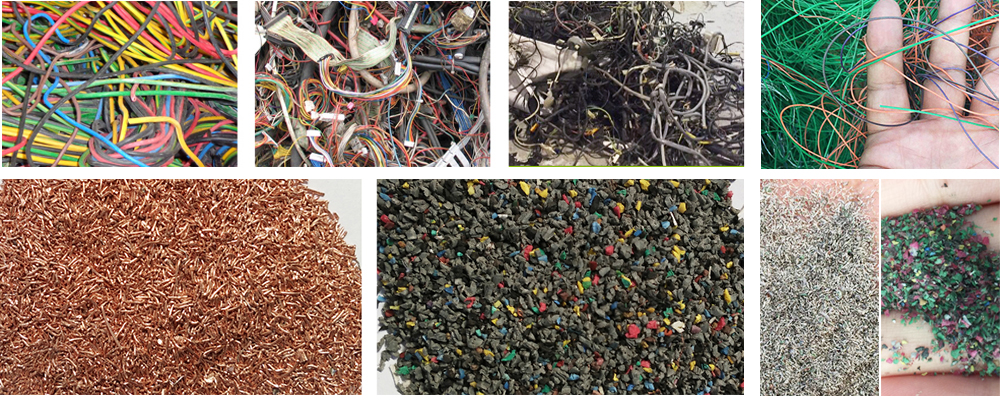
The machine mainly uses crushing, air separation, and vibration sorting technologies.
Working Process
- Scrap wires enter the crusher
- Wires are shredded into small particles
- Airflow separator separates copper and plastic
- Vibrating system improves sorting accuracy
- Final materials are collected separately
The entire process is dry-type recycling, meaning no water pollution is produced.
Wire Recycling Granulator Machine Price
The price varies according to capacity, automation level, and machine configuration.
Reference Price Range
| Machine Type | Capacity | Price Range |
|---|---|---|
| Small granulator | 100-200 kg/h | $3,000-$8,000 |
| Medium granulator | 300-500 kg/h | $10,000-$25,000 |
| Large recycling line | 800-1000 kg/h | $30,000-$80,000 |
Factors Affecting Machine Price
Several important factors influence the final quotation.
1. Production Capacity
Larger capacity machines cost more.
2. Copper Separation Rate
Higher purity systems require advanced technology.
3. Motor and Electrical Components
Premium motors and electrical systems increase machine stability.
4. Dust Removal and Environmental Design
Eco-friendly systems usually add to the cost.
5. Brand and Manufacturer
Experienced manufacturers often provide better quality and after-sales support.
Wire recycling granulator machine is an essential solution for modern scrap cable recycling. It helps recover valuable copper and aluminum while reducing environmental pollution. By selecting the proper machine configuration and capacity, recycling businesses can achieve high efficiency and strong profits in the growing metal recycling industry.