
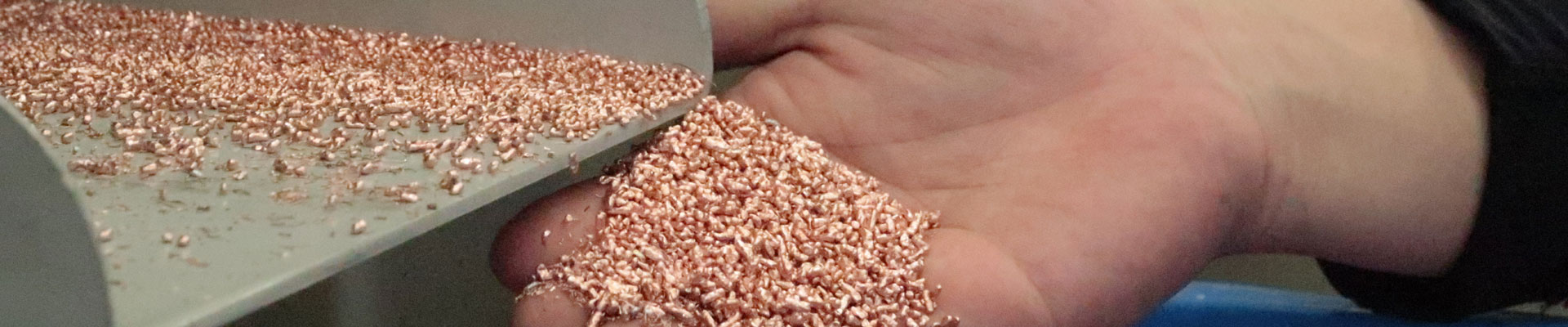
Waste PCB Depopulating Machine
Waste PCB Depopulating Machine is an essential piece of equipment in modern electronic waste recycling systems. It is designed to remove and separate electronic components from printed circuit boards (PCBs), enabling efficient recovery of valuable metals such as gold, silver, copper, and palladium. With the rapid growth of global e-waste, PCB depopulation technology plays a crucial role in resource recovery and environmental protection.
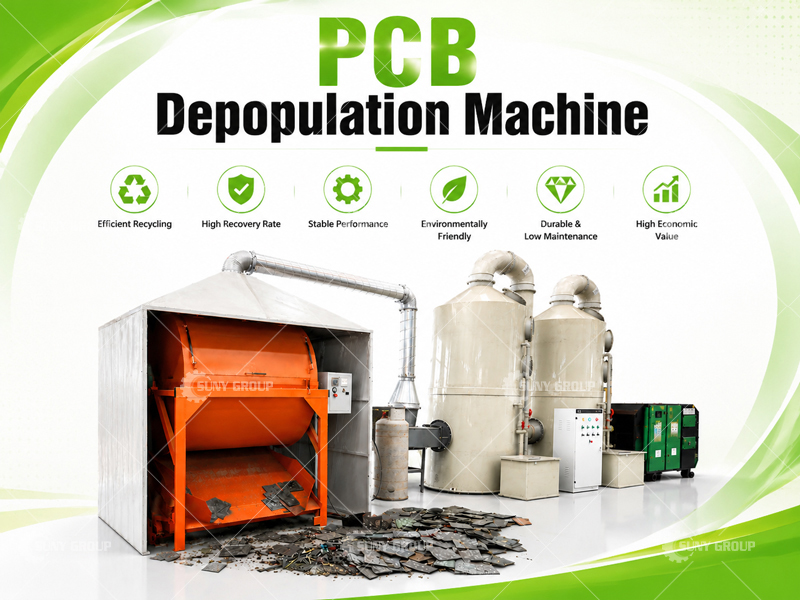
1. What is a Waste PCB Depopulating Machine?
A Waste PCB Depopulating Machine is specialized recycling equipment used to dismantle and separate electronic components from waste printed circuit boards. It removes resistors, capacitors, chips, and other components efficiently, preparing PCBs for further metal recovery processes such as crushing and chemical extraction.
This machine is widely used in:
- E-waste recycling plants
- PCB manufacturing waste processing
- Electronic dismantling factories
2. Sources of Waste PCB and Why It Is Increasing
Waste PCBs come from various electronic products, including:
- Computers and laptops
- Mobile phones and tablets
- Televisions and household electronics
- Industrial control systems
- Communication equipment
The volume of waste PCB is increasing due to:
- Rapid product replacement cycles
- Growth of consumer electronics
- Expansion of IT and communication industries
- Large-scale electronic waste generation globally
3. Importance of PCB Depopulation in Recycling
PCB depopulation is a critical step in e-waste recycling because it:
- Separates valuable electronic components
- Improves metal recovery efficiency
- Reduces contamination during processing
- Increases the economic value of recycled materials
- Supports environmentally sustainable recycling practices
Without depopulation, valuable metals remain trapped inside complex PCB structures.
4. Working Principle of Waste PCB Depopulating Machine
The machine operates through a controlled thermal and mechanical process:
- Feeding: Waste PCBs are placed into the feeding system
- Heating or dismantling: Components are loosened using controlled heat or mechanical force
- Separation: Electronic components are detached from PCB boards
- Collection: Components and bare boards are collected separately
- Further processing: Boards are sent for crushing and metal extraction
Advanced models may include temperature control systems and dust collection units for safer operation.
5. Key Advantages of PCB Depopulating Equipment
- High efficiency in component removal
- Reduces manual labor costs
- Improves metal recovery rate
- Environmentally friendly operation
- Stable performance for industrial-scale recycling
- Suitable for various PCB types and sizes
These advantages make it an essential machine in modern e-waste recycling plants.
6. Final Recovered Materials and Applications
After depopulation, valuable materials are obtained:
1. Electronic components
- Chips and ICs for refurbishment or metal extraction
- Capacitors and resistors for material recovery
2. PCB boards
- Further processed to extract copper and precious metals
- Used in smelting and hydrometallurgical recovery
3. Precious metals
- Gold, silver, palladium recovered from components
- Used in electronics, jewelry, and industrial applications
The Waste PCB Depopulating Machine is a vital technology in the electronic recycling industry. By efficiently separating components from waste circuit boards, it maximizes metal recovery and reduces environmental pollution. With the continuous growth of electronic waste, PCB depopulating equipment provides a sustainable and profitable solution for modern recycling businesses.