
Waste EV Lithium Battery Recycling Machine Production Plant
With the rapid development of the electric vehicle industry, the demand for lithium-ion batteries has increased significantly worldwide. More and more countries are promoting electric vehicles to reduce carbon emissions, improve energy efficiency, and replace traditional fuel-powered transportation. As the number of electric cars, buses, and energy storage systems continues to grow, the amount of waste EV lithium batteries is also increasing.
Most EV batteries have a service life of approximately 5–10 years. After long-term charging and discharging cycles, battery capacity gradually decreases, making them unsuitable for vehicle applications. These retired batteries need to be professionally recycled to avoid environmental pollution and recover valuable resources. Therefore, establishing a Waste EV Lithium Battery Recycling Machine Production Plant has become an important investment opportunity in the recycling industry.
The Recycling Value of Waste EV Lithium Batteries
Waste EV lithium batteries contain a variety of valuable metals and materials, which have significant recycling value. Compared with traditional mining, battery recycling can reduce resource consumption, lower production costs, and support sustainable development.
The main recycling values include:
1. Recovery of Valuable Battery Metals
EV lithium batteries contain important materials such as lithium, nickel, cobalt, manganese, copper, and aluminum.
- Lithium: A key raw material for lithium battery production. Recovered lithium can be processed into lithium compounds for manufacturing new battery cathode materials.
- Nickel and cobalt: These metals are expensive and widely used in high-performance battery production.
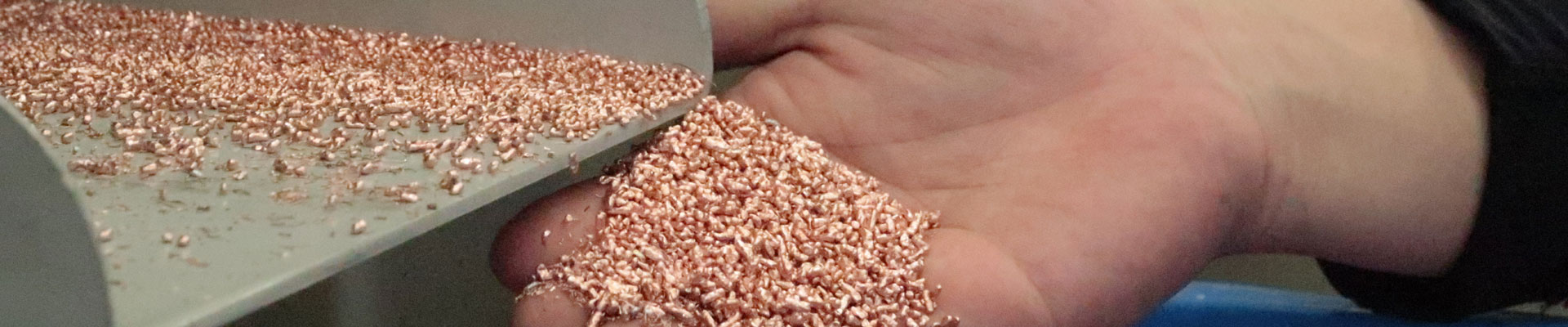
- Copper and aluminum: Battery collectors and shells can be recycled and reused in metal processing industries.
2. Environmental Protection Benefits
Improper disposal of waste lithium batteries may cause pollution due to harmful chemicals and heavy metals. A professional recycling plant can safely process used batteries, reduce landfill waste, and prevent environmental damage.
3. Support for Circular Economy
Recycling EV batteries allows valuable materials to return to the production cycle. This reduces dependence on natural mineral resources and helps create a sustainable battery supply chain.
How to Configure a Waste EV Lithium Battery Recycling Plant?
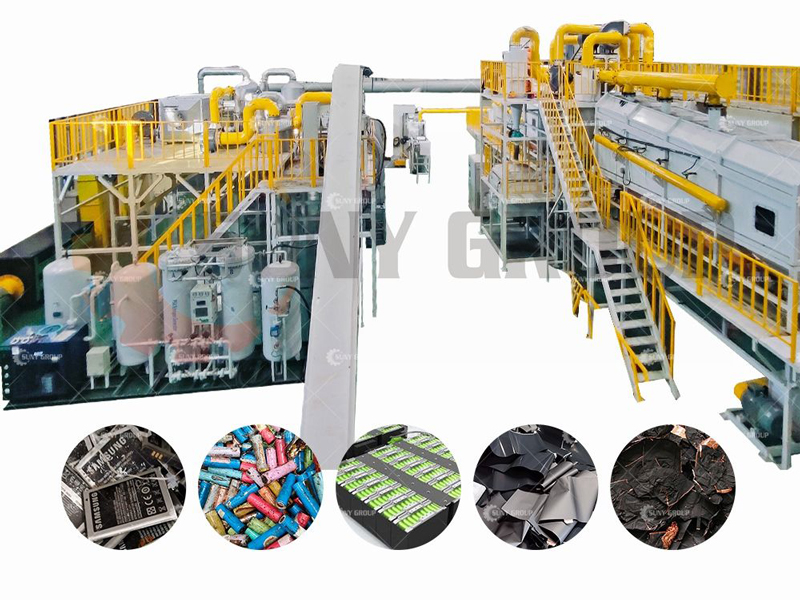
A complete EV lithium battery recycling production plant usually consists of several processing systems. The equipment configuration depends on battery type, processing capacity, and recycling requirements.
1. Battery Discharging and Safety System
Before recycling, waste batteries need to be discharged safely to eliminate remaining electricity. This process reduces risks such as short circuits, overheating, and fire during processing.
2. Battery Dismantling System
The dismantling equipment is used to remove battery packs, protective covers, cables, and other external components. Automated dismantling machines can improve efficiency and ensure safer operation.
3. Lithium Battery Shredder Machine
The shredder is the core equipment of the recycling plant. It uses strong cutting forces to break large battery modules into smaller pieces. The shredding process helps release internal materials and prepares them for further separation.
4. Crushing and Separation Equipment
After shredding, the materials enter crushing and sorting systems, including:
- Crushers for further size reduction
- Magnetic separators for iron removal
- Vibrating screens for material classification
- Air separators for separating lightweight materials
- Dust collection systems for safe operation
These machines work together to improve recovery efficiency and product purity.
5. Black Mass Collection System
Fine materials generated after crushing and separation are collected as black mass, which contains valuable elements such as lithium, nickel, cobalt, manganese, and graphite. Black mass can be further processed by specialized companies to extract battery-grade materials.
Materials Recovered After EV Battery Recycling and Their Applications
A professional waste EV lithium battery recycling plant can recover various useful materials:
| Recovered Material | Application |
|---|---|
| Black Mass | Used for extracting lithium, nickel, cobalt, and manganese for new battery production |
| Lithium Compounds | Used as raw materials for lithium-ion battery manufacturing |
| Nickel and Cobalt | Used in cathode materials and alloy production |
| Copper | Used for cables, electrical products, and metal manufacturing |
| Aluminum | Used for aluminum products and industrial applications |
| Steel | Reused in metal processing industries |
| Graphite | Used for battery anode materials and industrial applications |
Waste EV Lithium Battery Recycling Machine Production Plant provides an efficient solution for handling increasing amounts of retired electric vehicle batteries. Through safe dismantling, shredding, crushing, and separation processes, the recycling system can recover valuable resources while reducing environmental pollution.
With the continuous expansion of the EV market, battery recycling will become an essential part of the new energy industry. Investing in advanced lithium battery recycling equipment not only helps protect the environment but also creates long-term economic value by converting waste batteries into reusable resources.