
Solar Panel Pyrolysis Line Cost
Solar panels, also known as photovoltaic (PV) modules, are widely used in residential, commercial, and utility-scale power generation. The main types include:
- Monocrystalline solar panels – high efficiency, long lifespan
- Polycrystalline solar panels – lower cost, moderate efficiency
- Thin-film solar panels – lightweight and flexible, lower efficiency
With the rapid global expansion of renewable energy, large quantities of end-of-life solar panels are now being generated from decommissioned power plants, damaged modules, and aging installations. This creates a growing demand for efficient recycling technologies such as the solar panel pyrolysis line.
What Is a Solar Panel Pyrolysis Line?
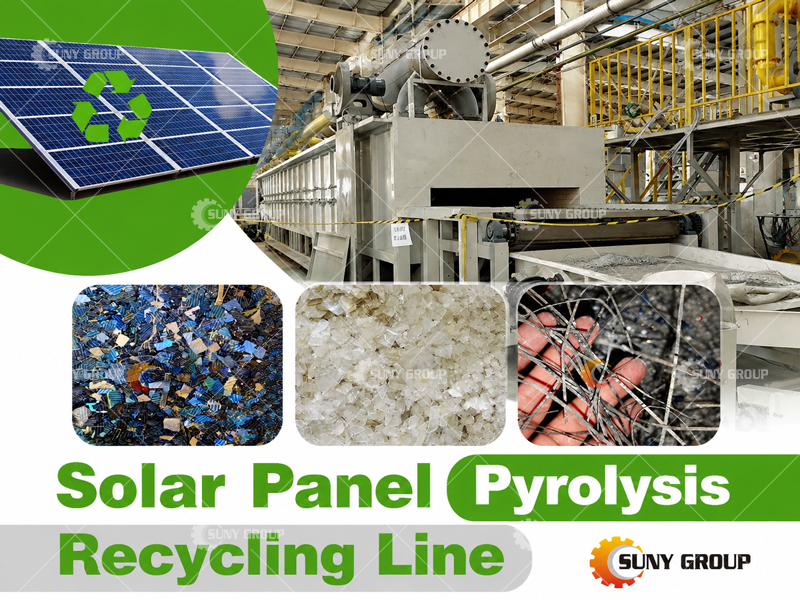
A solar panel pyrolysis line is an advanced recycling system designed to separate valuable materials from waste PV modules through high-temperature thermal decomposition in an oxygen-free environment.
The system typically includes:
- Feeding and dismantling system
- Pyrolysis furnace
- Glass separation unit
- Aluminum frame removal unit
- Crushing and sorting system
- Dust and gas treatment system
During the process, organic materials such as EVA film are decomposed, allowing clean recovery of glass, silicon cells, aluminum frames, and copper wiring.
Advantages of Pyrolysis Recycling Technology
The pyrolysis method has become one of the most efficient solar panel recycling technologies due to its advantages:
- High material recovery rate (glass, aluminum, silicon, copper)
- No chemical pollution compared with acid-based methods
- Suitable for large-scale industrial processing
- Low secondary waste generation
- Improved economic value of recovered materials
This makes it a preferred solution for modern photovoltaic recycling plants.
Solar Panel Pyrolysis Line Cost and Key Influencing Factors
The cost of a solar panel pyrolysis line varies significantly depending on capacity, configuration, and automation level.
Typical price range:
- Small-scale system: $80,000 – $150,000
- Medium-scale system: $150,000 – $300,000
- Large industrial plant: $300,000 – $800,000+
Main cost factors:
- Processing capacity (kg/h or tons/day)
- Level of automation (manual vs fully automatic)
- Emission control system (gas filtration, scrubbers)
- Material quality of furnace and components
- Customization requirements
- Installation and after-sales service
Higher automation and environmental compliance systems significantly increase the total investment but improve long-term efficiency.
Recovered Materials and Applications
After pyrolysis processing, solar panels can be separated into valuable materials:
- Glass (70–75%) → reused in construction materials, fiberglass production
- Aluminum frames (10–15%) → remelted for industrial manufacturing
- Silicon wafers → reused in semiconductor or solar industry
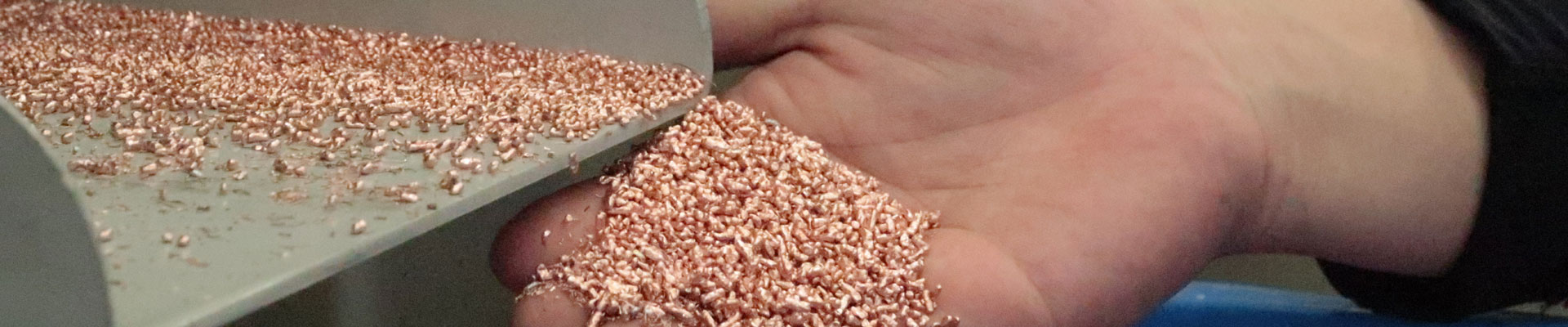
- Copper wires and junction box metals → recycled into electrical products
- EVA residue and carbon materials → used in fuel or industrial waste treatment
This makes solar panel recycling both environmentally and economically beneficial.
The solar panel pyrolysis line is a critical technology for addressing the growing issue of photovoltaic waste. With increasing global demand for clean energy, investment in solar panel recycling plants is expected to rise rapidly. Although the initial solar panel pyrolysis line cost can vary widely, the long-term value of recovered materials and environmental benefits make it a highly promising industrial solution for sustainable development.