
Small Machine for Wire Recycling
With the increasing demand for copper resources and the rapid growth of electronic waste, wire recycling has become an important part of the recycling industry. Waste wires and cables are generated from electrical equipment, construction projects, automotive industries, communication systems, and cable manufacturing factories. Instead of sending these valuable materials to landfills, recycling them can recover copper and plastic, reduce environmental pollution, and create economic benefits.
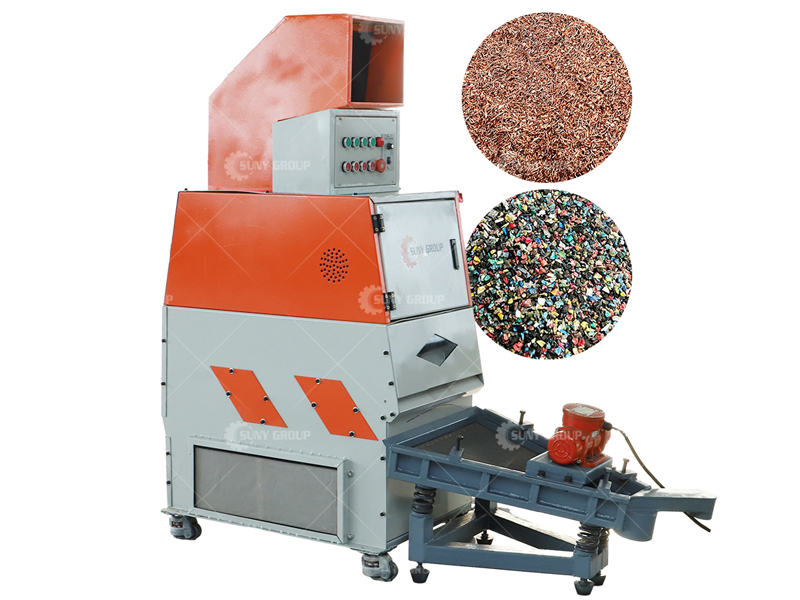
Small machine for wire recycling is a compact recycling solution designed to separate valuable metals from waste wires and cables. It is especially suitable for small recycling businesses, scrap yards, cable suppliers, and new investors who want to start a wire recycling business with lower investment. Small cable granulator machines can separate copper and plastic through crushing and air separation technology while requiring less space and lower operating costs.
Why Is Wire Recycling Important?
Wire recycling has significant environmental and economic value.
1. Recover Valuable Copper Resources
Copper is one of the most valuable metals used in electrical applications because of its excellent conductivity and durability. Waste wires contain a large amount of copper, which can be recovered and reused in new products.
Recycling copper reduces the demand for new mining resources and helps create a circular economy.
2. Reduce Environmental Pollution
If waste cables are burned to remove plastic insulation, they may release harmful gases and cause air pollution. Using professional wire recycling machines provides a cleaner and safer recycling method.
3. Generate Economic Benefits
After processing, waste wires can be converted into high-purity copper granules and plastic materials. These recycled products can be sold to metal processors and plastic recycling companies, creating additional income for recycling businesses.
What Is a Small Machine for Wire Recycling?
A small machine for wire recycling is a compact cable recycling system used to process scrap wires and separate copper conductors from plastic insulation.
The main components usually include:
- Feeding system
- Crushing chamber
- Copper and plastic separation system
- Air separator
- Vibrating sorting table
- Dust collection system
- Control cabinet
Unlike large industrial recycling lines, small wire recycling machines have a compact structure, simple operation, low power consumption, and lower purchase costs. They are designed for customers who process limited quantities of scrap wires but still require efficient material recovery.
Advantages of Small Wire Recycling Machines
1. Low Investment Cost
A small wire recycling machine requires less initial investment compared with a complete large-scale recycling plant. It is a practical choice for beginners entering the recycling industry.
2. Small Footprint
The compact design allows installation in small workshops, recycling yards, garages, or existing factories without requiring large production areas.
3. Easy Operation
Most small machines use automatic control systems. Operators only need to feed the waste cables and monitor the recycling process.
4. Low Energy Consumption
Compared with large recycling systems, small machines consume less electricity and have lower operating costs.
5. Flexible Application
Small wire recycling machines can process various materials, including:
- Copper electrical wires
- Communication cables
- Automotive wiring harnesses
- Household cables
- PVC insulated wires
- Small industrial cables
Suitable Customers for Small Wire Recycling Machines
Small wire recycling machines are mainly suitable for:
1. Small Recycling Businesses
Companies that collect waste cables from local markets can use compact machines to increase profits.
2. Scrap Metal Dealers
Scrap yards can process collected wires instead of selling low-value mixed cables.
3. Cable Manufacturing Factories
Factories can recycle production waste and recover valuable copper materials.
4. New Recycling Investors
For beginners, a small machine is a good starting point because of its affordable price and simple operation.
Working Process of Small Wire Recycling Machine
The recycling process mainly includes the following steps:
Step 1: Feeding Waste Wires
Collected scrap wires are placed into the feeding inlet. Different types of wires can be processed after simple sorting.
Step 2: Crushing and Granulating
The machine cuts and crushes the wires into small particles. During this process, the copper conductor is separated from the plastic insulation.
Step 3: Air Separation
The crushed mixture enters the separation system. Because copper is heavier than plastic, airflow and vibration technology separate copper granules from lighter plastic particles.
Step 4: Dust Collection
The dust removal system collects small plastic particles and dust generated during processing, improving the working environment.
Step 5: Final Material Collection
The separated materials are collected separately for further reuse.
The complete recycling process usually uses dry physical separation technology without water, making it environmentally friendly and easy to maintain.
Final Materials After Wire Recycling
A small wire recycling machine mainly produces:
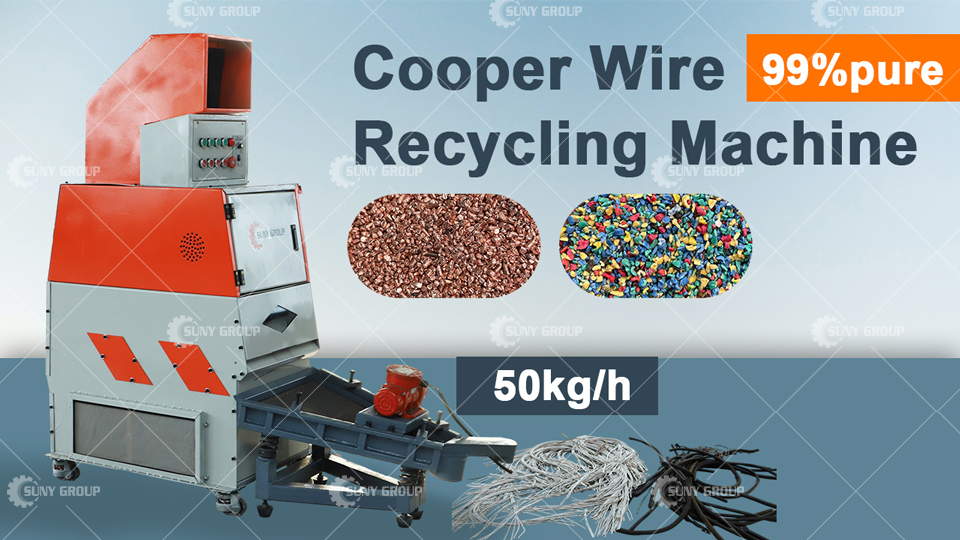
1. Copper Granules
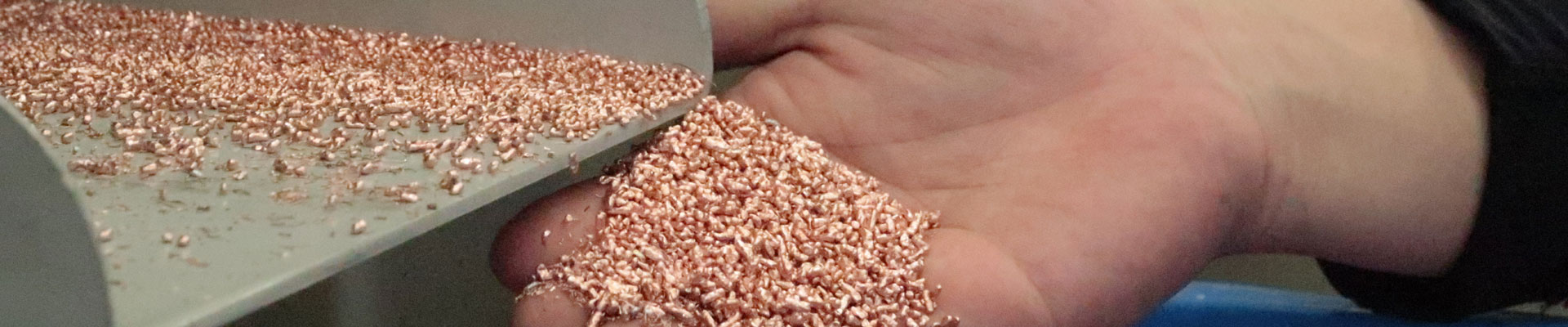
The recovered copper has high purity and can be directly sold or reused for manufacturing new copper products.
2. Plastic Granules
The separated plastic insulation can be recycled into plastic products or used as secondary raw material.
By separating these materials efficiently, recycling companies can maximize the value of waste cables.
How to Choose a Small Wire Recycling Machine Manufacturer?
Selecting the right manufacturer directly affects equipment performance and business profitability.
1. Check Manufacturing Experience
Choose manufacturers with experience in cable recycling equipment production and complete recycling solutions.
2. Confirm Processing Capacity
Different machines have different capacities. Customers should select equipment according to:
- Daily wire collection volume
- Material types
- Required production output
3. Evaluate Separation Efficiency
A good machine should provide stable copper and plastic separation performance with high recovery rates.
4. Consider Machine Quality
Important factors include:
- Strong machine structure
- Wear-resistant blades
- Reliable motors
- Stable separation system
5. Check After-Sales Service
A professional supplier should provide:
- Installation guidance
- Technical support
- Spare parts supply
- Operation training
6. Choose Customized Solutions
The best manufacturer should customize equipment according to customers’ raw materials, processing capacity, and factory conditions.
small machine for wire recycling is an efficient and economical solution for recovering copper and plastic from waste cables. It helps recycling businesses reduce investment costs, save operating space, and obtain valuable recycled materials.
With the increasing demand for copper resources and sustainable recycling solutions, small wire recycling machines provide excellent opportunities for small recyclers, scrap dealers, and new investors. Choosing a reliable manufacturer with advanced technology, good service, and customized solutions is the key to building a successful wire recycling business.