
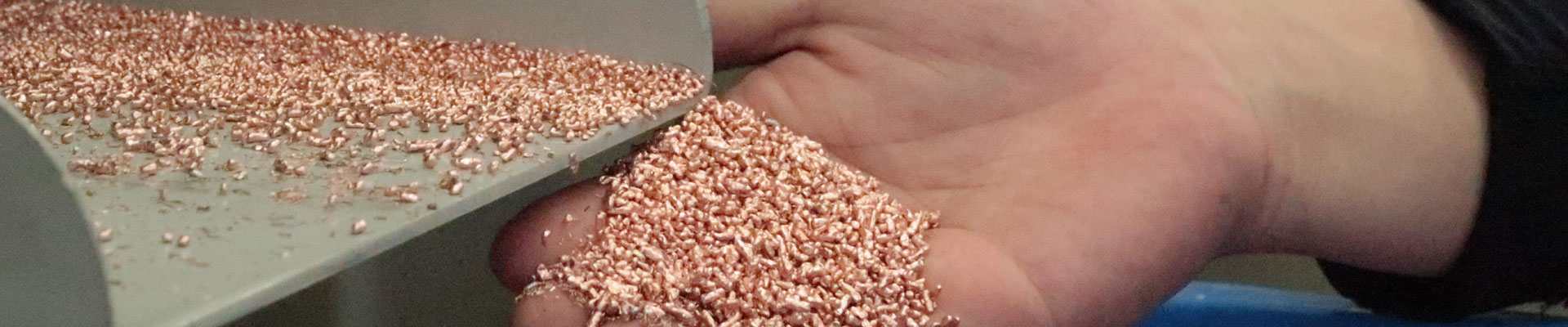
Small Home Appliance Recycling Line
Small Home Appliance Recycling Line is an integrated recycling system designed to process discarded household electrical appliances and recover valuable metals, plastics, and other reusable materials. As the replacement cycle of household appliances becomes shorter, increasing amounts of electronic waste are generated worldwide. An efficient recycling line helps reduce waste volume, recover secondary resources, and minimize environmental pollution.
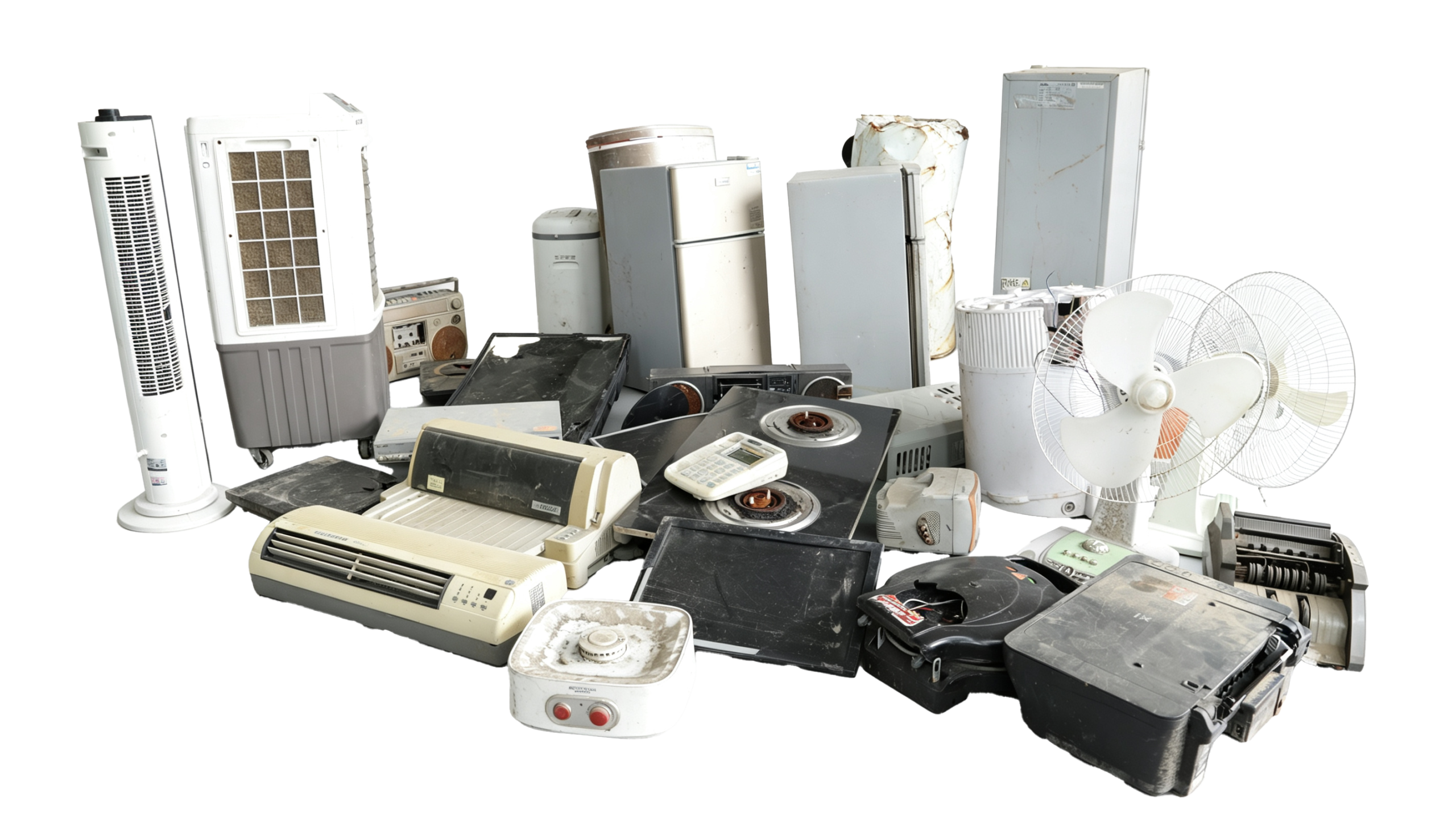
Common appliances suitable for recycling include electric kettles, rice cookers, blenders, juicers, toasters, coffee machines, hair dryers, electric irons, electric fans, vacuum cleaners, and other small electrical appliances. These products contain a mixture of metals, plastics, cables, motors, and electronic components that require effective separation.
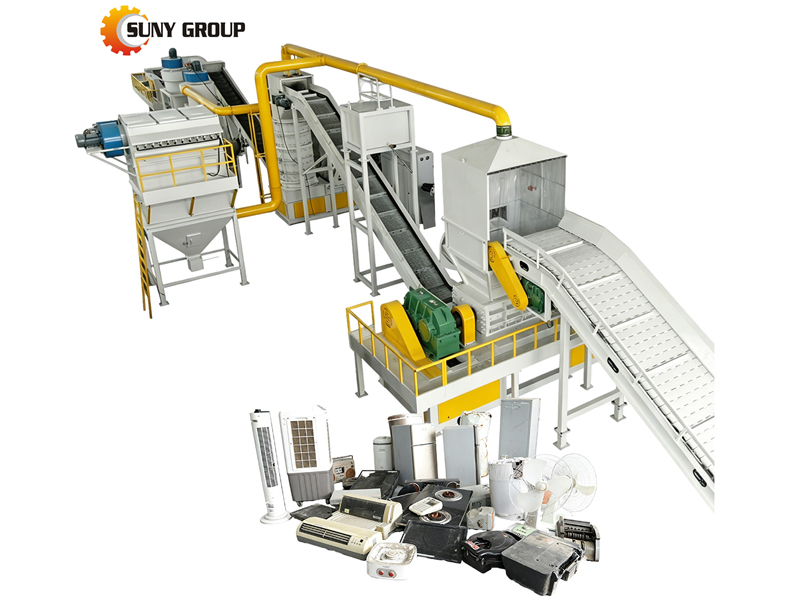
By combining crushing, shredding, screening, and sorting technologies, a complete Small Home Appliance Recycling Line converts mixed appliance waste into separate material streams suitable for further processing and reuse.
1. What Materials Can Be Recovered from Small Home Appliances?
Different small appliances contain different proportions of recyclable materials. The main recoverable materials include:
- Iron and steel: Found in appliance housings, motor casings, screws, brackets, and structural components. These metals can be supplied to steel mills and metal recycling companies.
- Copper: Commonly found in power cables, motor windings, transformers, and electrical connections. Recovered copper can be used to manufacture electrical wires, cables, and industrial products.
- Aluminum: Present in selected motor parts, heat-dissipation components, and appliance structures. It can be remelted and reused in machinery, automotive components, and construction products.
- Plastics: Materials such as ABS, PP, and PS are widely used in appliance housings, handles, and internal components. After appropriate separation and cleaning, suitable plastics can be processed into recycled plastic pellets.
- Electronic components and PCBs: Circuit boards may contain copper and small quantities of precious metals. These materials generally require specialized downstream recycling processes.
- Other materials: Rubber, glass, cables, and selected electronic components can also be recovered through suitable treatment methods.
Copper, aluminum, and certain electronic components can have considerable recycling value. However, actual profitability depends on material composition, separation purity, recovery efficiency, operating costs, and market prices.
2. How Does a Small Home Appliance Recycling Line Work?
A complete Small Home Appliance Recycling Line typically uses the following processing steps.
Step 1: Collection and Pre-treatment
Waste appliances are collected, inspected, and sorted according to their types and structures. Batteries, hazardous components, and other items requiring separate treatment must be removed before mechanical processing. Appliances containing regulated substances or specialized components should be handled according to applicable safety and environmental requirements.
Step 2: Shredding and Crushing
Pre-treated appliances enter a primary shredder, which reduces their size and breaks apart housings and internal components. A secondary crusher or granulator may then process the shredded material into smaller, more uniform particles to improve subsequent separation.
Step 3: Magnetic Separation
A magnetic separator removes ferrous metals, including iron and steel, from the crushed material. The recovered metal fraction can be collected and transported for further recycling.
Step 4: Non-Ferrous Metal Separation
An eddy current separator can recover suitable non-ferrous conductive metals, particularly aluminum. Additional separation methods may be needed to recover copper-rich fractions, depending on particle size and material composition.
Step 5: Screening and Air Separation
Vibrating screens classify materials by particle size, while air separators help separate lightweight plastics, films, and other light fractions from heavier materials. Additional sorting equipment can improve the purity of the final products.
Step 6: Final Material Collection
The separated metals, plastics, and other recoverable materials are collected independently. Electronic components and mixed fractions requiring further treatment are sent to qualified downstream recycling facilities.
3. Main Equipment for a Small Home Appliance Recycling Line
A customized recycling line may include:
- Feeding conveyor and inspection station.
- Double-shaft shredder for primary size reduction.
- Secondary crusher or granulator.
- Magnetic separator for ferrous metal recovery.
- Eddy current separator for non-ferrous metal recovery.
- Vibrating screen for particle classification.
- Air separator and additional sorting equipment.
- Dust collection system and material discharge conveyors.
The final equipment configuration depends on appliance types, processing capacity, required material purity, available space, and investment budget.
4. Final Products and Their Applications
The main outputs of a Small Home Appliance Recycling Line include:
- Ferrous metals: Recycled into steel products, construction materials, and industrial components.
- Copper-rich materials: Supplied to copper smelters or specialized metal recovery facilities.
- Aluminum: Processed into secondary aluminum for manufacturing and industrial applications.
- Recycled plastics: Clean, properly sorted plastics can be processed into pellets for suitable plastic products.
- Electronic components and PCBs: Sent to specialized facilities for further metal recovery.
- Residual materials: Managed through appropriate treatment or disposal methods in accordance with local regulations.
The purity and marketability of these products depend on the incoming materials and the effectiveness of the recycling process.
5. How to Choose the Right Small Home Appliance Recycling Line
When selecting a Small Home Appliance Recycling Line, consider the following factors:
- Material compatibility: Confirm that the equipment can handle your specific appliances and material composition.
- Processing capacity: Match the line’s throughput to your daily waste volume and future business needs.
- Recovery efficiency: Evaluate the achievable recovery rates and purity of different material streams.
- Customized design: Choose a supplier capable of configuring shredding, crushing, and sorting equipment to meet your requirements.
- Environmental protection: Consider dust collection, noise reduction, and safe material handling.
- Operating costs: Assess energy consumption, labor requirements, maintenance, and wear-part replacement.
A well-designed Small Home Appliance Recycling Line helps businesses transform discarded household electronics into valuable secondary resources. With efficient shredding, crushing, and sorting technology, recycling operators can recover metals and plastics, reduce waste disposal requirements, and build a more sustainable recycling operation.