
Copper Wire Separator Machine
Copper wire is widely used in electrical systems, construction, telecommunications, automotive manufacturing, and industrial equipment. After reaching the end of its service life, scrap copper wire can be recycled to recover valuable metals and reduce waste.
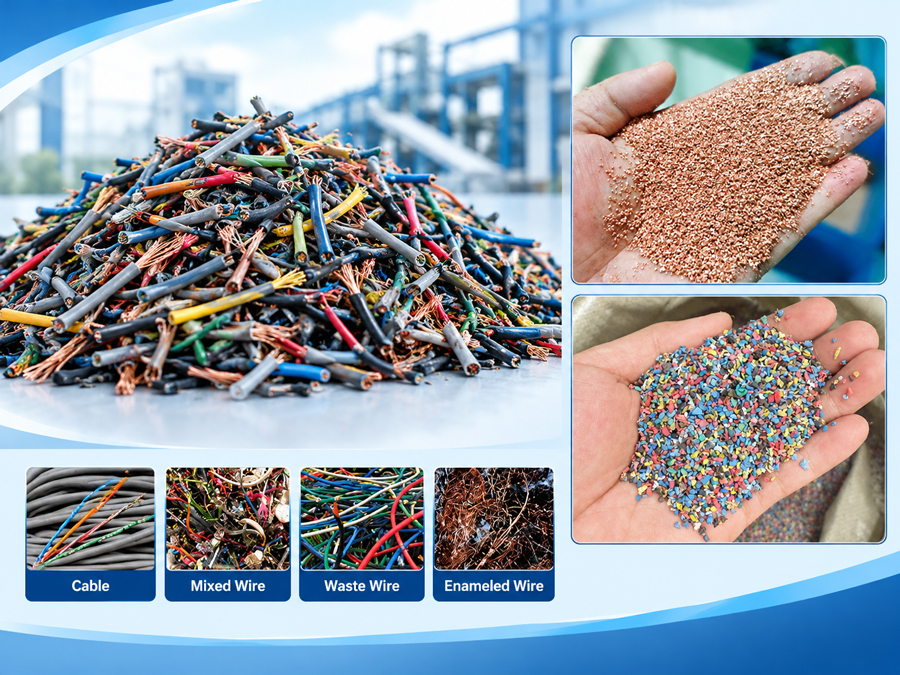
Common types of recyclable copper wire include:
- Power cables: Thick copper conductors covered with PVC, PE, or XLPE insulation.
- Household electrical wires: Small-diameter wires from residential wiring and electrical appliances.
- Automotive wiring harnesses: Copper wires recovered from cars, trucks, and other vehicles.
- Communication cables: Telephone, data, and signal cables containing copper conductors.
- Electronic wires: Fine wires from computers, electronic devices, and discarded equipment.
- Industrial cables: Heavy-duty cables used in factories, machinery, and power distribution systems.
Different wire types have different copper contents, insulation materials, and processing requirements. Identifying the feedstock helps determine the appropriate copper wire separator machine configuration.
1. What Is the Recycling Value of Scrap Copper Wire?
Copper is a valuable recyclable metal because of its excellent electrical conductivity, thermal conductivity, and corrosion resistance. Recovered copper can be reused in electrical cables, motors, transformers, electronic components, and other copper products.
The recycling value of scrap copper wire depends on its copper content, cleanliness, insulation type, contamination level, and local market conditions. Thick, copper-rich cables may provide substantial recoverable metal, while mixed cables require additional separation.
Recycling also reduces the demand for newly mined copper and helps conserve natural resources. Meanwhile, recovered plastic insulation may be processed into suitable recycled plastic products, depending on its composition and quality.
2. What Is a Copper Wire Separator Machine?
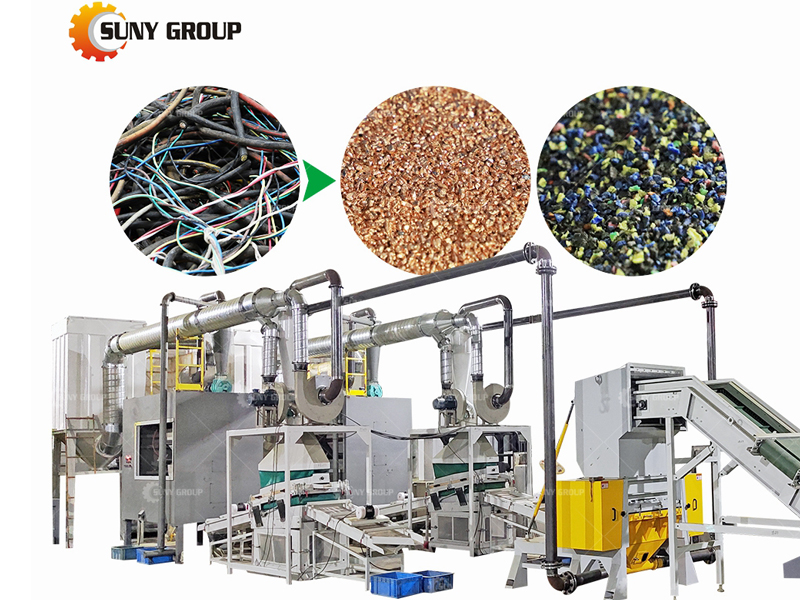
A copper wire separator machine is industrial recycling equipment designed to separate copper conductors from plastic or rubber insulation. It is particularly suitable for processing insulated scrap wires and cables that are difficult or uneconomical to strip manually.
A complete copper wire recycling plant may include:
- Conveyor or feeding hopper
- Primary shredder for large or bundled cables
- Magnetic separator for removing ferrous contaminants
- Copper wire granulator or crusher
- Airflow separator and vibrating sorting table
- Electrostatic separator for fine mixed particles, when required
- Dust collection system and separate collection outlets
The exact configuration depends on the wire diameter, material composition, processing capacity, and required copper purity.
3. How Does a Copper Wire Separator Machine Work?
Most dry-type copper wire separator machines use mechanical size reduction and physical separation technologies.
First, scrap wires enter the shredding or granulation system. Cutting blades reduce the cables into smaller pieces, exposing the copper conductors and breaking the bond between the metal and insulation.
Next, the granulated mixture enters an airflow separator. Because copper is much denser than common plastic insulation, controlled airflow helps separate the heavier copper particles from lighter plastic fragments. A vibrating screen distributes the material evenly and improves sorting efficiency.
For fine wires or difficult mixed fractions, an electrostatic separator can provide additional purification by exploiting the different electrical properties of metals and non-metallic materials. Dust collection equipment captures airborne particles during processing.
4. Complete Copper Wire Recycling Process
A typical copper wire recycling plant follows these steps:
- Collection and inspection: Collect scrap wires and identify their types, diameters, insulation materials, and contamination levels.
- Pre-sorting: Separate unsuitable materials and remove large attachments when necessary.
- Primary shredding: Reduce bulky cables into manageable pieces.
- Metal removal: Use magnetic separation to remove iron and steel contaminants where present.
- Granulation: Crush the wires into smaller particles to liberate copper from insulation.
- Copper-plastic separation: Apply airflow and vibration sorting to separate the main material fractions.
- Secondary purification: Reprocess mixed particles or use electrostatic separation when necessary.
- Collection and quality inspection: Collect, weigh, and inspect the recovered copper and plastic separately.
The process can be adjusted to accommodate different feedstocks and production requirements.
5. Final Products and Key Advantages
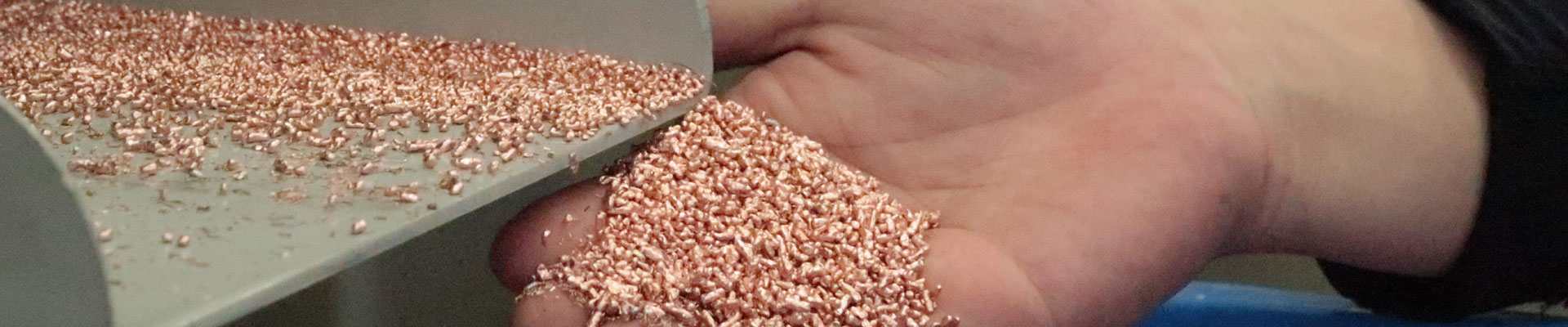
The main output of a copper wire separator machine is recovered copper granules, which can be sold to metal recyclers or sent for further refining and remelting. The second main output is plastic insulation, which may be recycled into suitable plastic products after quality assessment.
Depending on the incoming cables, additional outputs may include steel contaminants, rubber fractions, and residual mixed materials.
Key advantages include:
- High resource recovery: Recovers valuable copper from insulated scrap cables.
- Improved separation quality: Combines granulation, airflow, and vibration sorting.
- Reduced manual labor: Automates major processing and separation stages.
- Dry processing: Avoids process-water consumption in a properly configured dry-type system.
- Flexible configuration: Supports different cable types and processing capacities.
- Environmental benefits: Helps reduce cable waste and promotes resource reuse.
Copper wire separator machine provides an efficient solution for recovering copper and insulation from scrap electrical wires and cables. By combining shredding, granulation, and separation technologies, a complete recycling plant can produce valuable copper granules and recyclable insulation materials. Selecting the right equipment according to feedstock characteristics, capacity requirements, and output quality targets is essential for building an efficient and sustainable copper wire recycling business.