
Small Cable Granulator Price
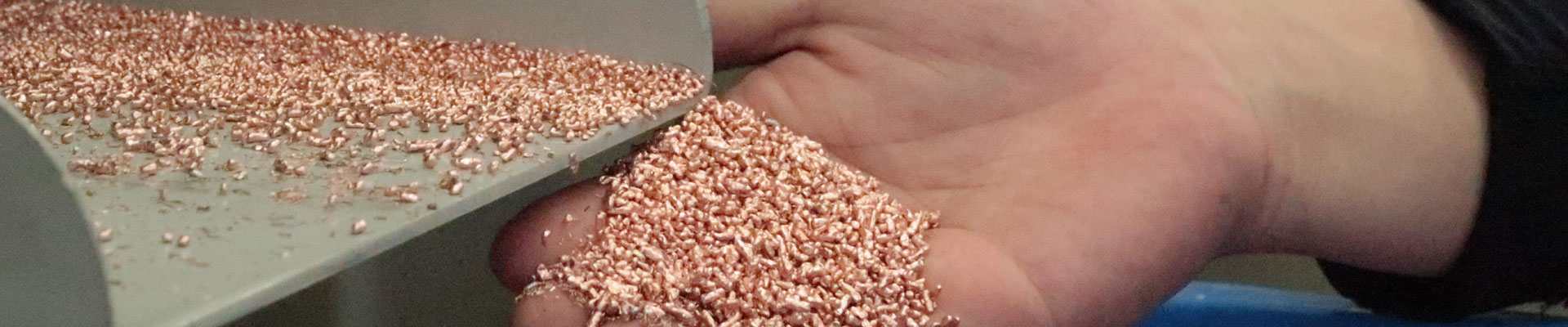
Small cable granulator is a compact cable recycling machine designed to separate copper or aluminum from plastic insulation in scrap wires and cables. It is widely used by small recycling businesses, scrap dealers, metal recovery workshops, and electrical recycling companies. Compared with large industrial cable recycling plants, a small cable granulator typically requires less floor space and offers a flexible solution for processing limited quantities of scrap cables.
When evaluating the small cable granulator price, buyers should consider more than the initial equipment cost. Processing capacity, separation efficiency, machine configuration, and maintenance requirements all influence the overall investment value.
1. What Types of Scrap Cables Can a Small Cable Granulator Process?
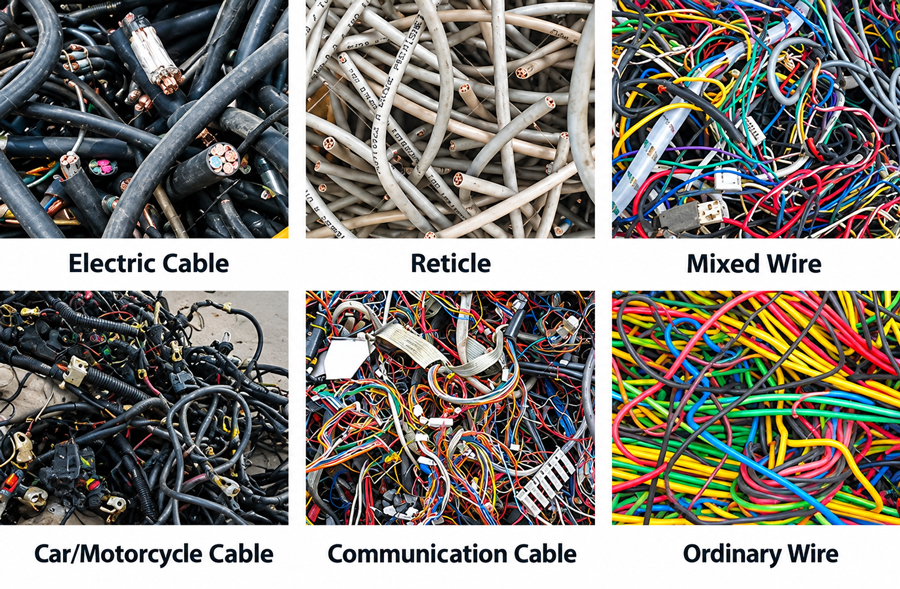
A small cable granulator can process various types of scrap cables, depending on its design and configuration. Common materials include:
- Scrap copper wires: Household electrical wires, power cords, and other copper conductors with plastic insulation.
- Communication cables: Certain telephone and communication wires containing recoverable copper and plastic.
- Automotive wires: Suitable vehicle wiring harnesses after appropriate pretreatment and removal of unsuitable components.
- Aluminum cables: Cables with aluminum conductors, provided the equipment is configured for the material.
- Mixed scrap wires: Selected mixtures of insulated wires that can be processed effectively by the granulation and separation system.
However, large-diameter power cables, steel-armored cables, and cables containing excessive moisture or other contaminants may require additional pretreatment. Buyers should confirm the acceptable material size and composition with the manufacturer before purchasing.
2. Small Cable Granulator Price by Capacity and Configuration
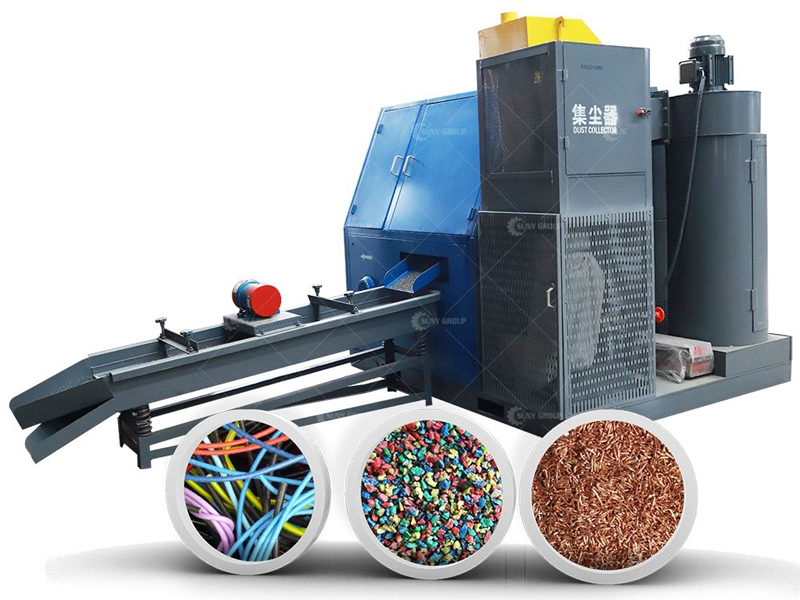
The small cable granulator price varies according to processing capacity, equipment configuration, and automation level. A basic machine may include a crusher, granulator, screening system, and air separator. More advanced models may integrate magnetic separation, dust collection, automatic feeding, and additional separation equipment.
The following table illustrates common configuration differences without assuming fixed market prices.
| Configuration | Main Features | Suitable Applications |
|---|---|---|
| Basic compact machine | Small footprint and essential granulation functions | Small recycling workshops |
| Integrated cable granulator | Crushing, screening, and copper-plastic separation | Regular scrap wire processing |
| Advanced recycling system | Improved feeding, dust collection, and separation | Businesses seeking higher efficiency |
When requesting a quotation, specify the cable types, expected hourly throughput, required copper purity, and whether auxiliary equipment is needed. Comparing complete configurations provides a more accurate picture of the total investment than comparing machine prices alone.
3. Small Cable Granulator vs. Large Cable Recycling Plant
A small cable granulator is suitable for businesses with limited space, moderate material volumes, and a preference for a compact production line. It generally offers simpler installation and lower initial investment requirements.
A large cable recycling plant is more appropriate for high-volume operations that process multiple cable types continuously. It may include heavy-duty shredders, multiple granulation stages, advanced separation equipment, and automated conveying systems.
The main differences include:
- Investment: Small systems generally require less initial capital.
- Capacity: Large plants are designed for greater throughput.
- Space: Compact granulators are easier to accommodate in small workshops.
- Flexibility: Both systems can be customized, but large plants usually offer more processing stages.
- Expansion: Businesses with growing cable supplies may eventually benefit from a modular or larger recycling line.
The best choice depends on the available feedstock, production targets, and long-term business plan.
4. How to Choose the Right Small Cable Granulator
Before purchasing a small cable granulator machine, evaluate the following factors:
- Material compatibility: Confirm that the machine can process your cable types and conductor materials.
- Processing capacity: Match the rated throughput to your actual daily workload.
- Separation efficiency: Ask about copper recovery performance and the purity of the separated copper and plastic.
- Equipment configuration: Determine whether feeding, screening, dust collection, and auxiliary separation systems are included.
- Maintenance and service: Check blade replacement requirements, spare-parts availability, warranty terms, and technical support.
Requesting a material test using representative scrap cables is a practical way to assess performance before making a purchasing decision.
5. Frequently Asked Questions About Small Cable Granulator Price
How much does a small cable granulator cost?
The price depends on processing capacity, cable types, separation technology, automation, and included auxiliary equipment. Contact manufacturers for a quotation based on your specific requirements.
Can a small cable granulator separate copper from plastic?
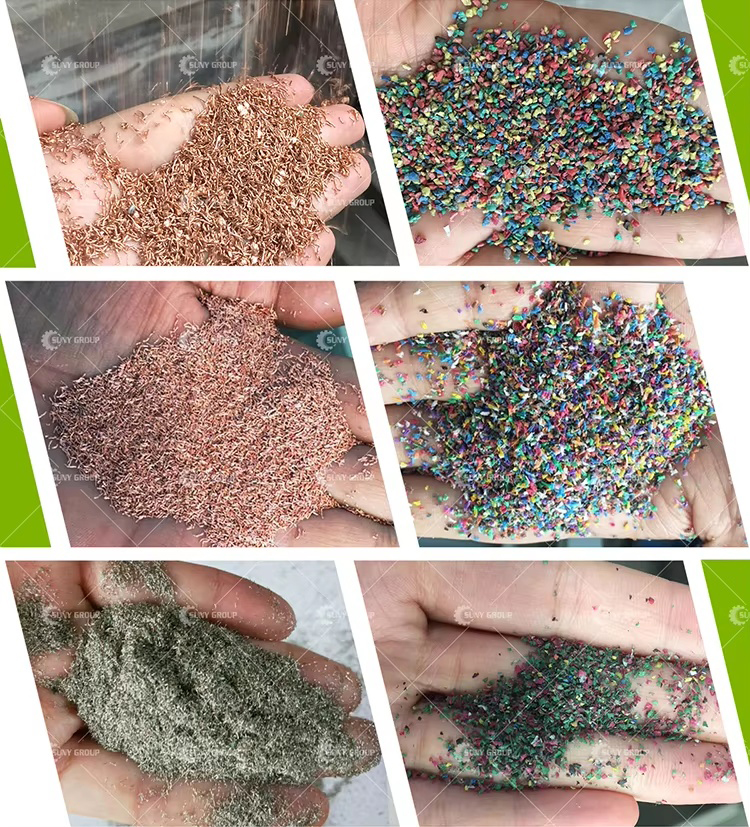
Yes. A properly configured system uses mechanical size reduction and physical separation, commonly including screening and air separation, to produce copper-rich and plastic-rich fractions.
Is a small cable granulator suitable for a startup business?
It can be a suitable option for startups with a reliable supply of compatible scrap cables and manageable processing volumes. Buyers should also calculate electricity, labor, maintenance, and material purchasing costs.
Can one machine process all cable types?
Not necessarily. Cable diameter, insulation, conductor material, and structural design affect processing performance. Some cables require pretreatment or specialized equipment.
In conclusion, choosing the right small cable granulator requires balancing equipment price, processing capacity, recovery quality, and operating costs. A suitable machine can help recycling businesses recover valuable metals, reduce cable waste, and build a more efficient recycling operation.