
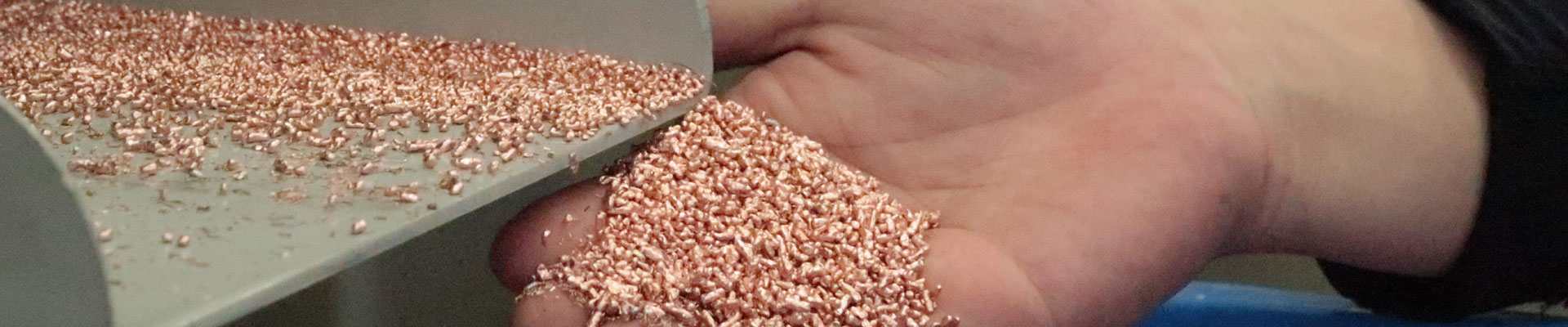
How to Separate the Insulation from Copper Chops
Copper chops are a mixture of copper granules and insulation particles produced during the recycling of waste electrical wires and cables. The copper fraction consists mainly of small copper particles, while the insulation fraction may contain PVC, PE, rubber, and other plastic materials, depending on the original cable type.
Copper is the most valuable component in many cable recycling applications because it can be reused in electrical manufacturing, cable production, and metal processing. Insulation materials can also be recycled when their composition and condition meet the requirements of downstream processors. Therefore, how to separate the insulation from copper chops is an important question for recycling businesses seeking higher copper purity, better material recovery, and improved profitability.
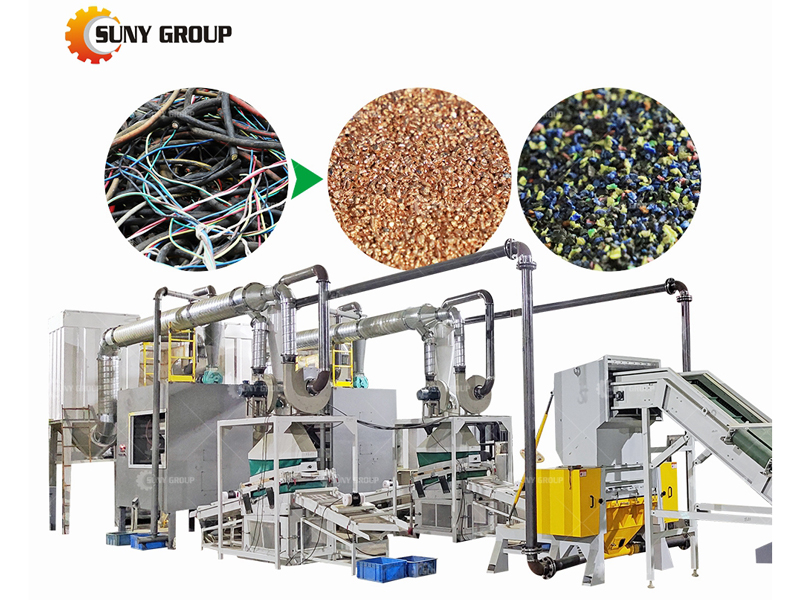
1. How Does the Copper Granulation Separation Process Work?
The most effective approach is to use a copper wire granulation and separation line. Instead of manually picking insulation from copper particles, the system combines mechanical size reduction with physical separation technologies.
The complete copper granulation process generally includes the following stages:
- Wire Feeding: Waste copper cables are fed into the granulation line after inspection and removal of unsuitable materials.
- Shredding and Crushing: A shredder or crusher reduces the cables into smaller pieces, exposing the copper conductors and insulation.
- Granulation: A granulator cuts the material into small particles. Proper particle size helps separate copper from plastic insulation in subsequent stages.
- Screening: A vibrating screen classifies the granulated material by particle size and may return oversized pieces for further processing.
- Airflow Separation: An air separator removes lightweight insulation particles from heavier copper granules based on their different aerodynamic behavior.
- Vibrating Gravity Separation: A separation table uses controlled vibration, airflow, and gravity to separate copper and plastic particles according to their physical properties.
- Secondary Separation: Mixed fractions can be processed again to recover residual copper and improve the purity of the final products.
- Dust Collection: A dust collection system captures fine particles generated during crushing and separation.
The exact equipment configuration depends on cable composition, throughput, particle size, and the required recovery performance.
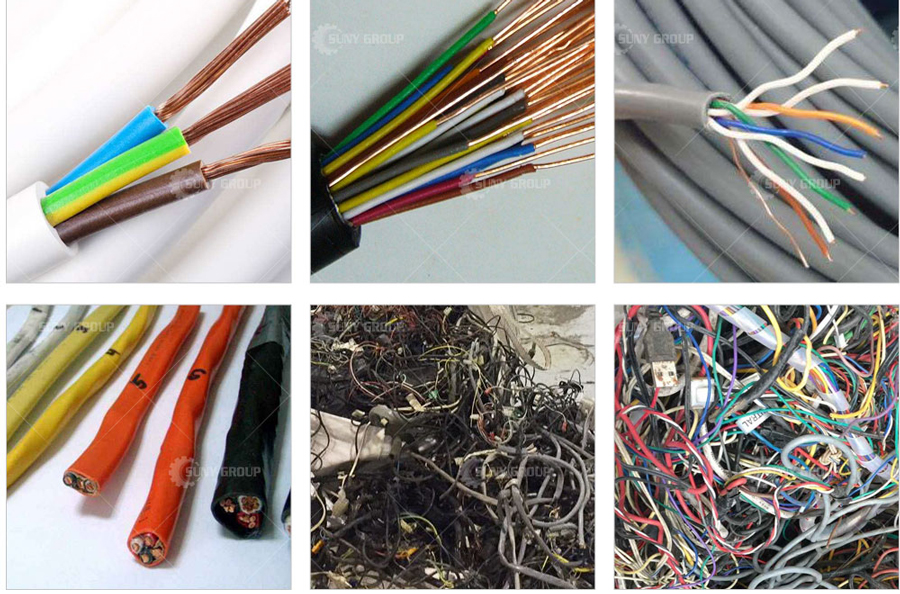
2. What Materials Can Be Recovered After Granulation?
A properly configured copper granulation line typically produces two main recyclable material streams:
- Copper Granules: Clean copper particles can be sold to copper recyclers or supplied as secondary raw material for metal processing and manufacturing.
- Plastic Insulation: Separated PVC, PE, rubber, and other insulation fractions may be sent to appropriate recycling facilities, depending on their composition and contamination levels.
A third stream may consist of dust, fines, and other impurities collected during processing. These materials require suitable treatment or disposal according to local environmental regulations.
The purity of recovered copper and the recyclability of insulation depend on the incoming cable materials, granulation quality, particle-size consistency, and separation settings. Different plastics should not automatically be mixed together if downstream buyers require specific material grades.
3. Advantages of a Copper Wire Granulation and Separation Line
Investing in a copper granulation recycling system offers several benefits:
- High Copper Recovery: Multi-stage separation helps recover copper from mixed copper-plastic particles.
- Improved Product Purity: Airflow and gravity separation reduce insulation contamination in copper granules.
- Insulation Recovery: Separated plastic fractions may provide additional recycling value.
- Automated Processing: Mechanical feeding, crushing, granulation, and separation reduce manual sorting requirements.
- Environmental Benefits: Material recovery reduces the volume of cable waste requiring disposal, while dust collection helps control airborne particles.
- Flexible Configuration: Equipment can be selected according to cable types, processing capacity, and output requirements.
4. How to Choose the Right Copper Granulation Machine
Before purchasing a copper granulation machine, evaluate the types of waste cables, expected processing capacity, final copper purity, recovery rate, energy consumption, and maintenance requirements. Ask the manufacturer to conduct a material test using representative cable samples and provide measured results for copper recovery and product purity.
In conclusion, how to separate the insulation from copper chops depends on effective granulation and a suitable combination of screening, airflow, and vibrating gravity separation. A well-designed copper wire granulation line can transform waste cables into reusable copper granules and separated insulation, improving resource utilization and supporting a more profitable recycling operation.