
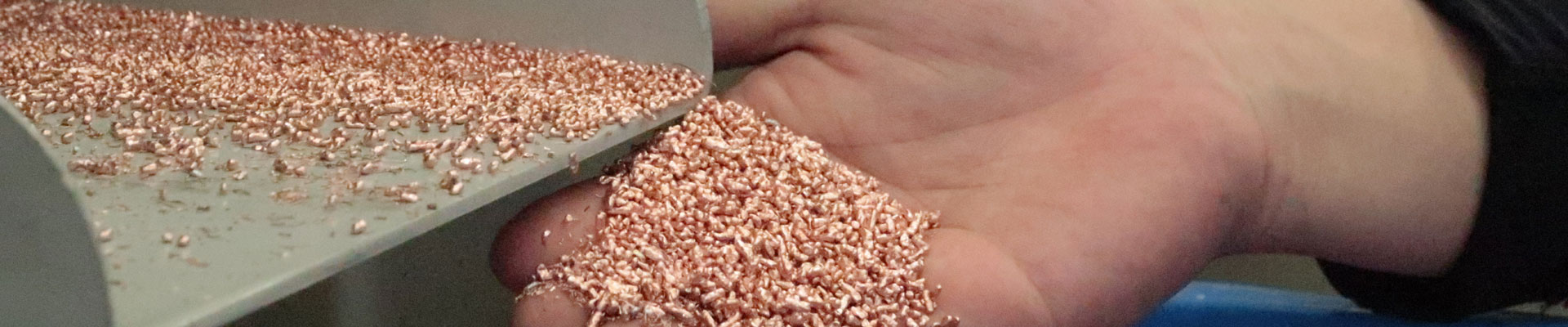
Refrigerator Crushing & Separation Line
A waste refrigerator contains valuable metals, recyclable plastics, insulation foam, and refrigerants. Refrigerator Crushing & Separation Line helps recycling companies recover these resources while reducing waste disposal and environmental risks.
The main recyclable materials include:
- Steel and iron: Found in the outer cabinet, internal structure, and compressor housing.
- Copper: Present in compressor motors, electrical wiring, and cooling pipes.
- Aluminum: Found in heat exchangers and selected structural components.
- Plastics: Including polypropylene (PP), polystyrene (PS), and other plastic parts from shelves, drawers, and liners.
- Polyurethane (PU) foam: Used as thermal insulation inside refrigerator walls.
- Refrigerants and compressor oil: Require dedicated recovery and appropriate treatment before mechanical processing.
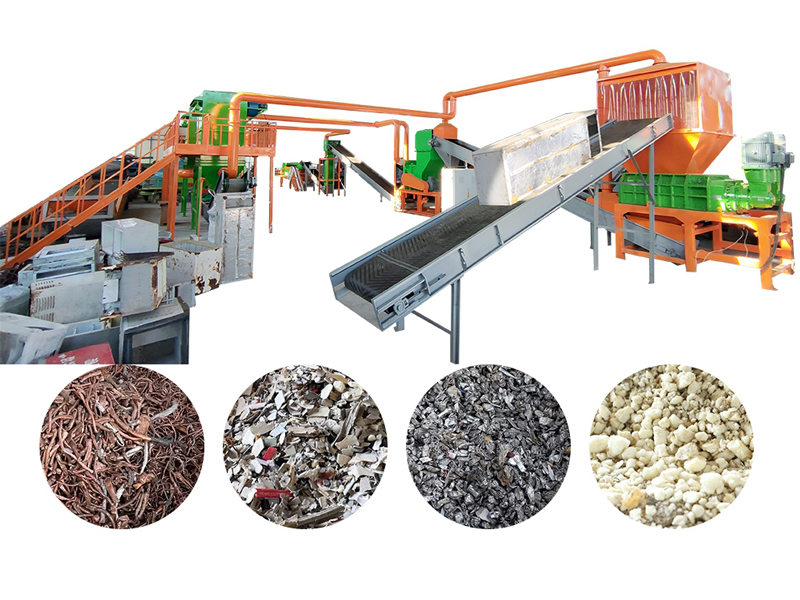
1. Which Recovered Materials Have the Highest Value?
Among the major recyclable materials, copper generally has the highest value per unit weight, followed by aluminum and steel, although actual prices depend on purity, market conditions, and local demand. Copper recovered from motors, wiring, and cooling pipes can provide an important source of revenue.
Steel is usually a major contributor to total recovered material volume because it makes up a substantial part of refrigerator cabinets. Plastics and polyurethane foam can also generate value when they are properly sorted and have suitable recycling outlets.
Therefore, recycling profitability depends on more than metal prices. Recovery efficiency, material purity, processing capacity, labor costs, and environmental compliance all influence the final return.
2. How to Build a Refrigerator Crushing & Separation Line
Before purchasing equipment, investors should evaluate the number of waste refrigerators available, the required processing capacity, local environmental regulations, and the market for recovered materials.
A complete line typically includes:
- Refrigerant recovery equipment: Removes refrigerants and compressor oil safely.
- Manual dismantling station: Removes compressors, glass shelves, circuit boards, cables, and other selected components.
- Primary shredder or crusher: Reduces refrigerator cabinets into smaller fragments.
- Secondary crushing equipment: Adjusts particle size to improve subsequent separation.
- Magnetic separator: Extracts ferrous metals such as iron and steel.
- Eddy current separator: Recovers non-ferrous metals, particularly aluminum and other suitable conductive materials.
- Air separator: Separates lightweight polyurethane foam and other light fractions.
- Density or plastic sorting equipment: Further separates mixed materials according to their physical properties.
The final equipment configuration should be customized to the feedstock, required output purity, target capacity, and available budget. Refrigerant and insulation blowing agents must be managed using suitable recovery systems rather than released during crushing.
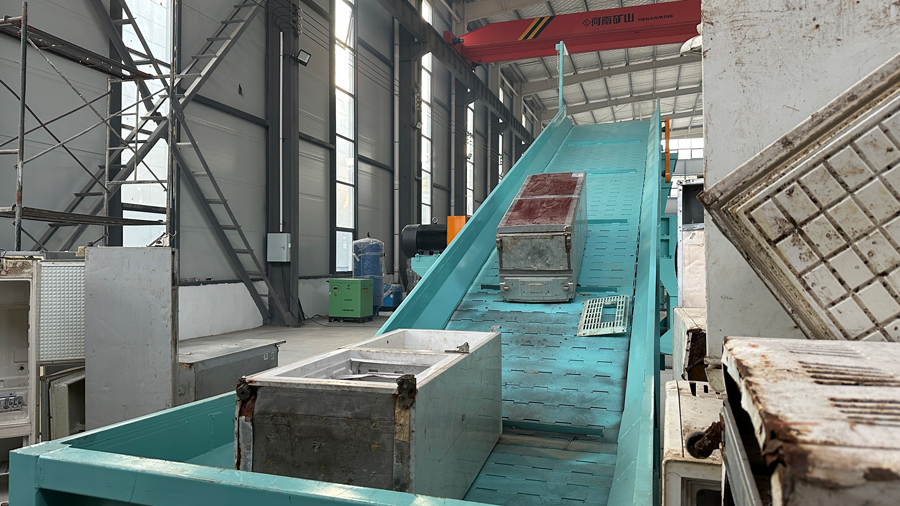
3. How Does the Refrigerator Recycling Process Work?
The complete recycling process generally follows these steps:
Step 1: Inspection and pre-treatment. Waste refrigerators are inspected, and hazardous or valuable components are identified.
Step 2: Refrigerant and oil recovery. Qualified personnel use dedicated equipment to recover refrigerants and compressor oil before the relevant components are dismantled.
Step 3: Manual dismantling. Compressors, electronic components, glass, and easily removable plastic parts are collected separately.
Step 4: Crushing and shredding. The remaining refrigerator cabinets are processed into smaller fragments to release the different materials.
Step 5: Multi-stage separation. Magnetic, eddy current, air, and other sorting technologies separate steel, non-ferrous metals, foam, and plastics.
Step 6: Collection and quality control. Recovered materials are inspected, stored separately, and prepared for transportation to downstream recyclers.
This integrated process improves material recovery and reduces the volume of waste sent for disposal.
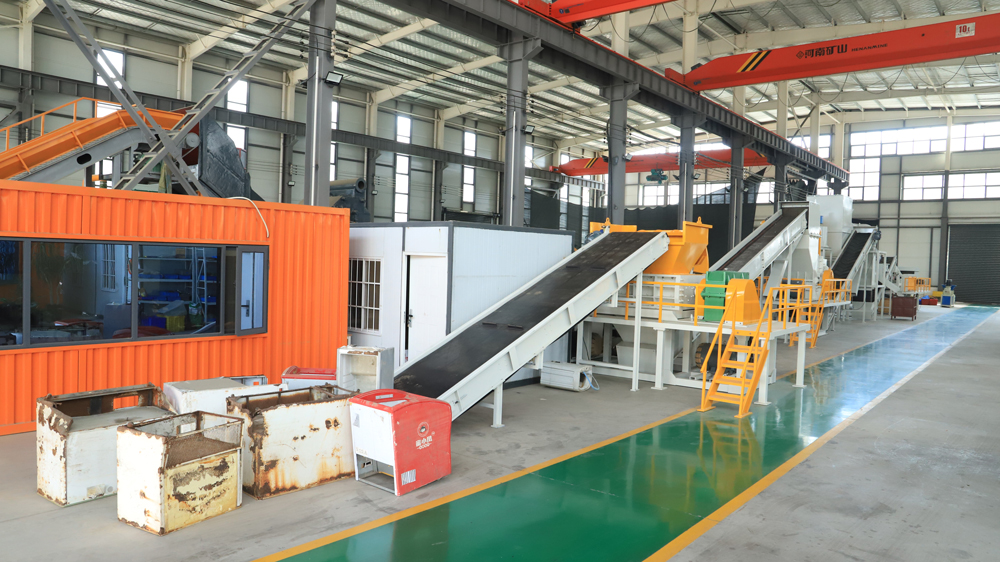
4. What Problems Can the Line Solve?
A Refrigerator Crushing & Separation Line addresses several challenges in waste appliance recycling. It reduces the volume of bulky refrigerators, lowers dependence on manual sorting, and separates mixed materials more efficiently. It also helps recycling operators recover valuable metals that might otherwise be lost in mixed waste.
With appropriate refrigerant and insulation foam treatment, the line can reduce the risk of releasing harmful substances into the atmosphere. Dust collection, noise control, fire prevention, and safe handling procedures are also important parts of a responsible recycling facility.
5. Applications of Recovered Materials
Recovered materials can re-enter different manufacturing industries:
- Steel and iron: Used in steelmaking and the production of metal components.
- Copper: Supplied to copper smelters and manufacturers of electrical wires, cables, and other electrical products.
- Aluminum: Reprocessed into metal products, automotive components, and construction materials.
- Recycled plastics: Used in suitable molded products, appliance components, and other plastic applications, depending on polymer type and quality.
- Polyurethane foam: After appropriate treatment, may be used in approved recovery applications, including refuse-derived or solid recovered fuel where permitted.
- Recovered refrigerants and oil: Sent for authorized reclamation, recycling, or disposal according to their composition and applicable regulations.
A well-designed Refrigerator Crushing & Separation Line converts end-of-life refrigerators into reusable resources while addressing waste volume, material contamination, and environmental risks. By combining safe pre-treatment, efficient crushing, and accurate separation, recycling businesses can improve recovery performance and create additional revenue streams. Choosing the right equipment supplier requires evaluating technical support, customization, safety systems, operating costs, and the quality of the recovered materials.