
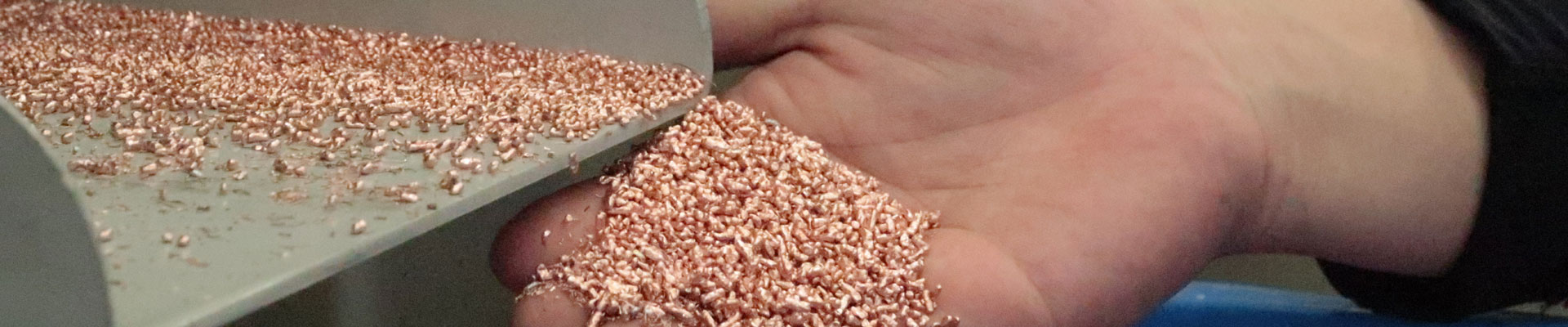
End-of-Life Lithium-Ion Battery Recycling Plant
End-of-life lithium-ion batteries are widely generated from electric vehicles, energy storage systems, smartphones, laptops, power tools, and other electronic devices. End-of-Life Lithium-Ion Battery Recycling Plant processes these discarded batteries to recover valuable resources and reduce environmental pollution.
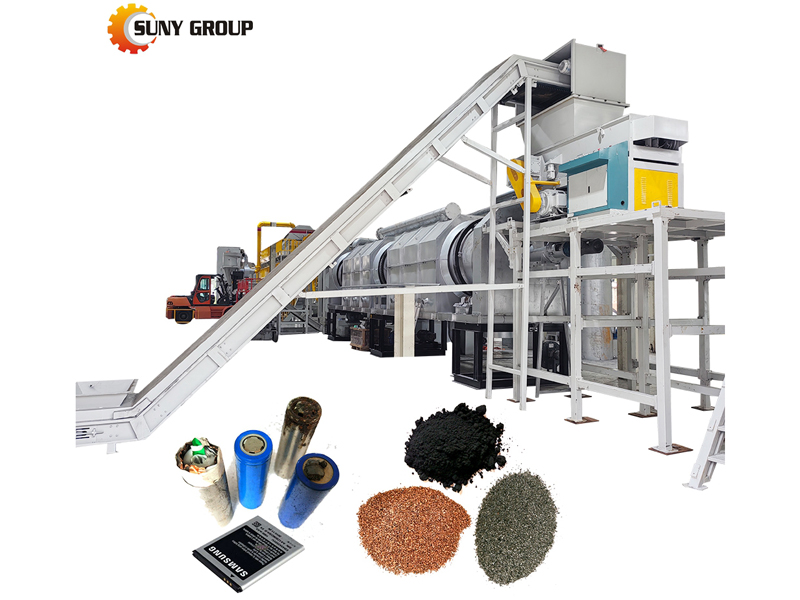
Lithium-ion batteries can be classified according to their cathode chemistry:
- LFP Batteries (Lithium Iron Phosphate): Commonly used in electric vehicles and energy storage systems. They contain lithium, iron, phosphate, copper, aluminum, and graphite.
- NMC Batteries (Nickel Manganese Cobalt): Used in electric vehicles and portable electronics, containing valuable lithium, nickel, manganese, and cobalt.
- NCA Batteries (Nickel Cobalt Aluminum): Commonly used in electric vehicles, providing high energy density and valuable metal recovery opportunities.
- LCO Batteries (Lithium Cobalt Oxide): Mainly found in smartphones, laptops, and consumer electronics, with cobalt as an important recyclable material.
Battery chemistry determines the recycling process, equipment configuration, and potential economic return.
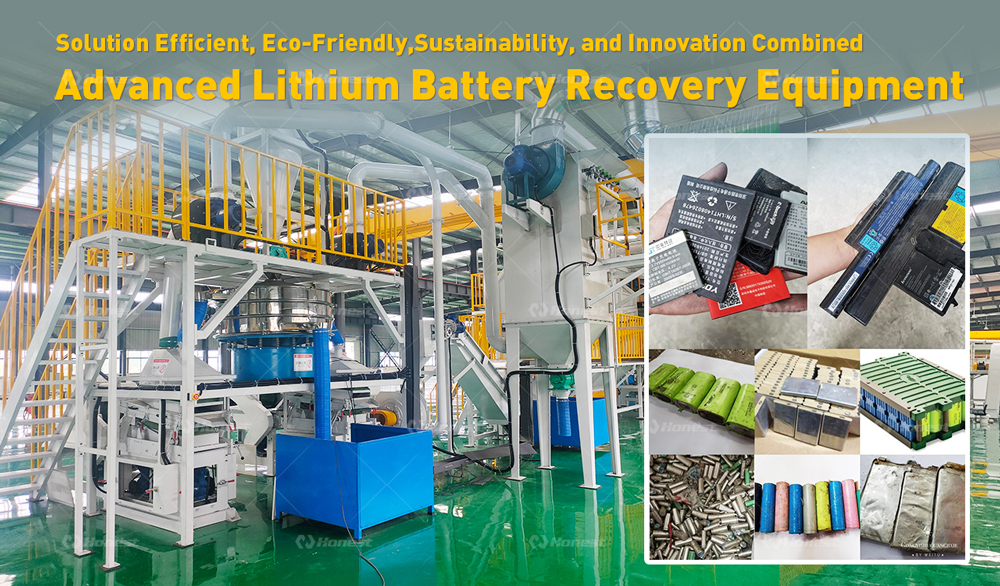
1. Recyclable Materials in End-of-Life Lithium-Ion Batteries
A professional lithium-ion battery recycling plant separates and recovers multiple material fractions. The main recyclable materials include:
- Lithium: Recovered from black mass and processed into lithium compounds for battery manufacturing.
- Nickel, cobalt, and manganese: Valuable metals used in cathode materials and other industrial applications.
- Copper and aluminum: Recovered from electrode foils, busbars, and battery housings for metal recycling.
- Graphite: Obtained from anode materials and potentially reused in battery-related applications after appropriate purification.
- Iron and steel: Separated from battery casings and structural components for metal processing.
- Plastics and other materials: Separated for suitable recycling or regulated treatment.
During mechanical processing, the active electrode materials form a powder-like product known as black mass, which contains valuable battery materials. Its composition depends on the battery chemistry and pretreatment process. Further refining may be required to recover individual metals.
2. Economic Value of Lithium-Ion Battery Recycling
The economic value of end-of-life lithium-ion battery recycling comes from recovering materials that can replace part of the demand for newly mined resources. Nickel, cobalt, lithium, copper, and aluminum may contribute to revenue, while graphite and other separated fractions can provide additional value.
The profitability of a recycling plant depends on several factors:
- Battery chemistry and the proportion of valuable metals.
- Feedstock availability and purchasing costs.
- Processing capacity, energy consumption, and labor costs.
- Metal recovery rates and final product purity.
- Equipment investment, transportation, and environmental compliance costs.
NMC and NCA batteries may offer attractive metal recovery opportunities because of their nickel and cobalt content. LFP batteries generally contain less nickel and cobalt, so their economics depend more heavily on lithium recovery, efficient processing, and feedstock costs. Therefore, a feasibility study should evaluate actual battery composition rather than assume the same return for every battery type.
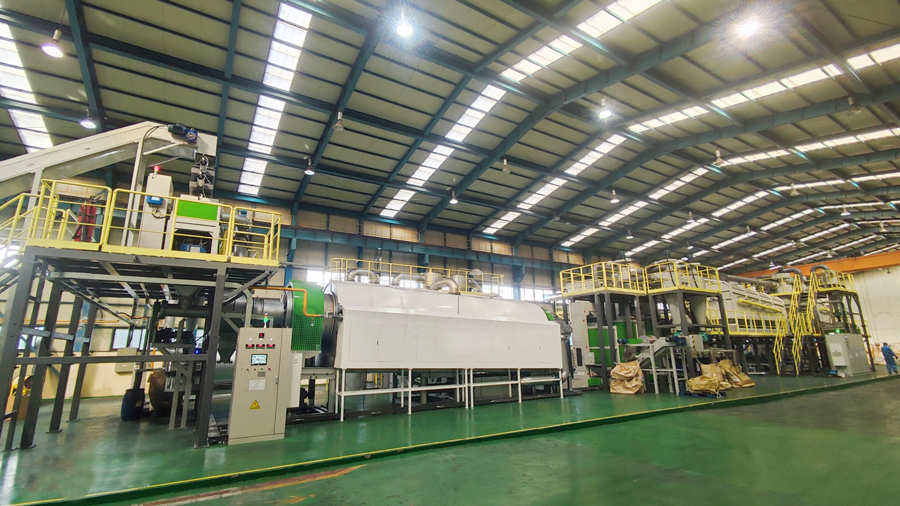
3. How to Build an End-of-Life Lithium-Ion Battery Recycling Plant
Building an End-of-Life Lithium-Ion Battery Recycling Plant requires suitable equipment, reliable feedstock, and a carefully designed process. The main steps are as follows:
Step 1: Determine the plant capacity. Evaluate the available battery supply, target processing capacity, battery chemistry, and expected output products.
Step 2: Design the recycling process. A typical mechanical recycling line includes battery inspection and sorting, controlled discharge where required, dismantling, shredding, screening, magnetic separation, and air or density separation. The exact configuration depends on battery format and safety requirements.
Step 3: Select suitable equipment. Key equipment may include a battery discharging system, dismantling station, enclosed shredder, screening machine, magnetic separator, eddy current separator, and dust collection system. Additional drying, electrolyte recovery, and inert-atmosphere systems may be necessary depending on the process.
Step 4: Install safety and environmental controls. Lithium-ion batteries can cause fires, thermal runaway, and hazardous chemical exposure. The facility needs appropriate fire protection, temperature monitoring, ventilation, emission control, safe storage, and emergency response procedures.
Step 5: Plan downstream refining. If the goal is to produce battery-grade materials instead of black mass, additional hydrometallurgical or pyrometallurgical processing may be required. Permits, wastewater treatment, residue management, and product quality testing must also be considered.
4. Applications of Recovered Materials
Materials recovered from end-of-life lithium-ion batteries can re-enter several industrial supply chains.
- Lithium compounds, nickel, cobalt, and manganese: Used to manufacture new battery materials after suitable refining.
- Copper and aluminum: Reused in electrical cables, metal products, and industrial components.
- Graphite: Potentially processed for reuse in battery anodes or other carbon-based applications.
- Iron and steel: Supplied to metal recycling and manufacturing industries.
- Recycled plastics: Used in appropriate plastic recycling applications when material quality permits.
An efficient End-of-Life Lithium-Ion Battery Recycling Plant helps conserve critical resources, reduce waste, and support a circular battery economy. By matching the equipment configuration to battery chemistry, processing capacity, safety requirements, and target products, businesses can develop a recycling solution that balances resource recovery, environmental performance, and long-term operating economics.