
Recycling Plant for Electric Car Batteries
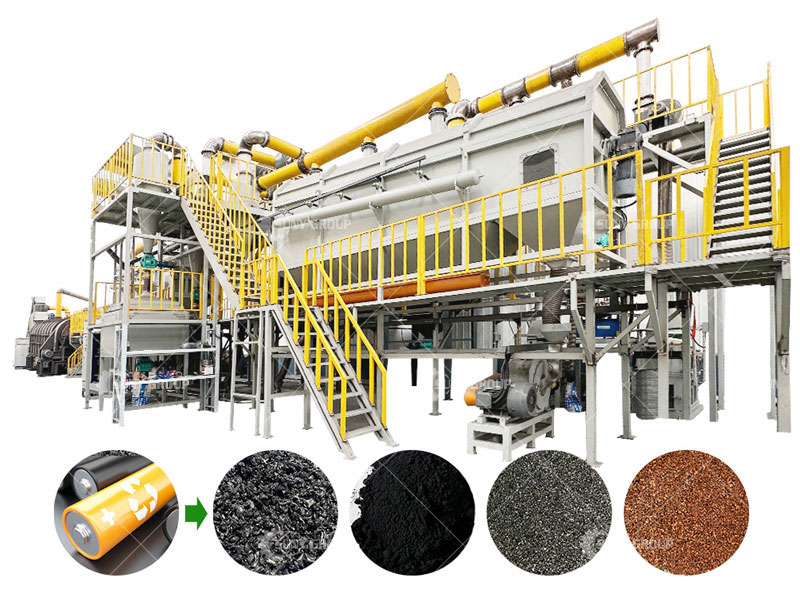
Recycling plant for electric car batteries is a specialized facility designed to process and recover valuable materials from end-of-life EV batteries. With the rapid expansion of the electric vehicle industry, the need for efficient and sustainable recycling solutions has become essential. This article explains the types of electric car batteries, recycling solutions, advantages, and the applications of recovered materials.
1. Types of Electric Car Batteries
Electric car batteries are mainly lithium-ion batteries, known for their high energy density and long lifespan. These batteries are classified based on their chemical composition:
- Lithium Nickel Manganese Cobalt Oxide (NMC)
Widely used in modern electric vehicles due to balanced performance and energy density - Lithium Iron Phosphate (LFP)
Known for high safety, long cycle life, and lower cost - Lithium Nickel Cobalt Aluminum Oxide (NCA)
Offers high energy density, commonly used in premium EV brands - Lithium Manganese Oxide (LMO)
Provides high thermal stability and is used in hybrid vehicles
These battery types contain valuable metals such as lithium, cobalt, nickel, copper, and aluminum, making recycling highly beneficial.
2. Recycling Solution for Electric Car Batteries
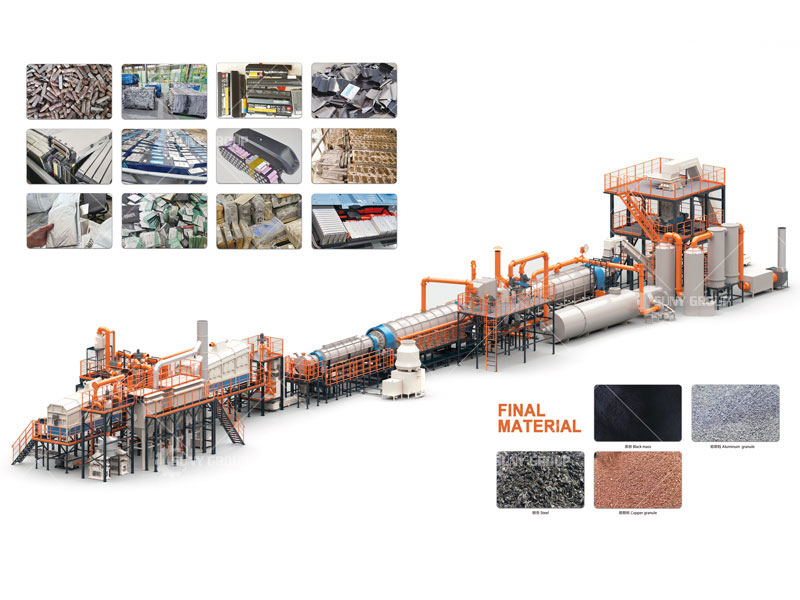
A complete recycling plant typically adopts a combined mechanical and metallurgical process:
Step-by-Step Recycling Process
- Battery Collection and Transportation
Safe collection of used EV batteries from vehicles and storage systems - Discharging and Dismantling
Removing residual electricity and dismantling battery packs into modules and cells - Shredding and Crushing
Breaking batteries into smaller particles for easier separation - Physical Separation
- Magnetic separation for ferrous metals
- Air separation for light materials
- Sieving for particle size classification
- Chemical Treatment (Hydrometallurgy)
Extraction of lithium, cobalt, and nickel through leaching and purification
3. Advantages of Recycling Plant Solutions
A modern recycling plant for electric car batteries offers several key benefits:
- High Metal Recovery Rate
Efficient extraction of critical materials such as lithium, cobalt, and nickel - Environmental Protection
Reduces hazardous waste and minimizes pollution - Cost Efficiency
Lowers raw material procurement costs for battery manufacturers - Automation and Safety
Advanced systems ensure safe handling of potentially dangerous batteries - Scalability
Suitable for both small-scale and large industrial operations
4. Recovered Materials and Their Applications
Recycling EV batteries produces a variety of reusable materials:
Main Recovered Materials
- Lithium compounds
- Cobalt and nickel salts
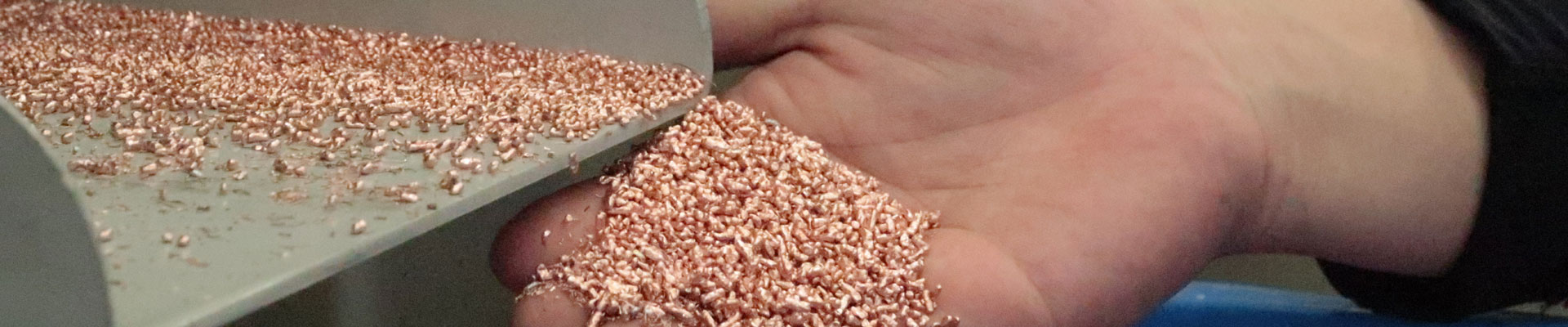
- Copper and aluminum metals
- Graphite (black mass)
Applications of Recovered Materials
- Battery manufacturing
Reused in new lithium-ion batteries for electric vehicles and electronics - Metallurgical industry
Copper and aluminum are used in wiring and structural components - Energy storage systems
Recovered materials support renewable energy storage solutions - Chemical industry
Lithium salts and cobalt compounds are used in various chemical processes
Recycling plant for electric car batteries is essential for supporting the sustainable growth of the EV industry. By recovering valuable materials and reducing environmental impact, these plants contribute to a circular economy and resource efficiency. As electric vehicle adoption continues to rise, advanced recycling solutions will play a critical role in shaping a greener and more sustainable future.