
PCB Recycling with Precious Metal Recovery
As the global electronics market continues to expand, an increasing volume of obsolete electronic devices is being generated, creating a growing demand for effective recycling solutions. Printed circuit boards (PCBs) recovered from computers, smartphones, televisions, industrial equipment, and household appliances are particularly valuable because they contain various recoverable metals, including copper, gold, silver, and palladium. Through PCB recycling and precious metal recovery, these discarded circuit boards can be processed into reusable metal resources, minimizing electronic waste, conserving natural resources, and generating considerable economic value for recycling businesses.
1. What Are Waste PCBs and Where Do They Come From?
Printed circuit boards are essential components of electronic devices, providing electrical connections and supporting various electronic components. After electronic products reach the end of their service life, their circuit boards can be collected for recycling.
Common sources of waste PCBs include:
- Computers, laptops, and servers.
- Mobile phones, tablets, and communication equipment.
- Televisions, printers, and household appliances.
- Industrial control systems and electronic instruments.
- Automotive electronic components and discarded electrical equipment.
Different types of PCBs have different metal contents and recycling values. Therefore, sorting them according to their material composition and precious metal content is an important first step.
2. What Precious Metals Can Be Recovered from Waste PCBs?
Waste PCBs contain several valuable metals that can be recovered through mechanical and metallurgical processes.
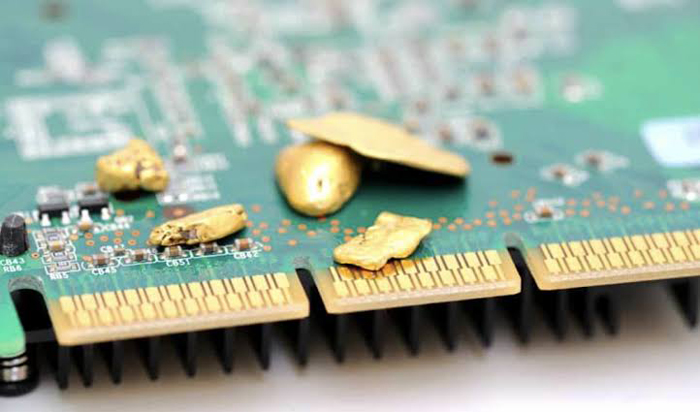
- Gold: Commonly used in connectors, contact points, and component terminals because of its excellent electrical conductivity and corrosion resistance.
- Silver: Found in conductive paths, contacts, and certain electronic components.
- Palladium: Used in multilayer ceramic capacitors and other electronic components.
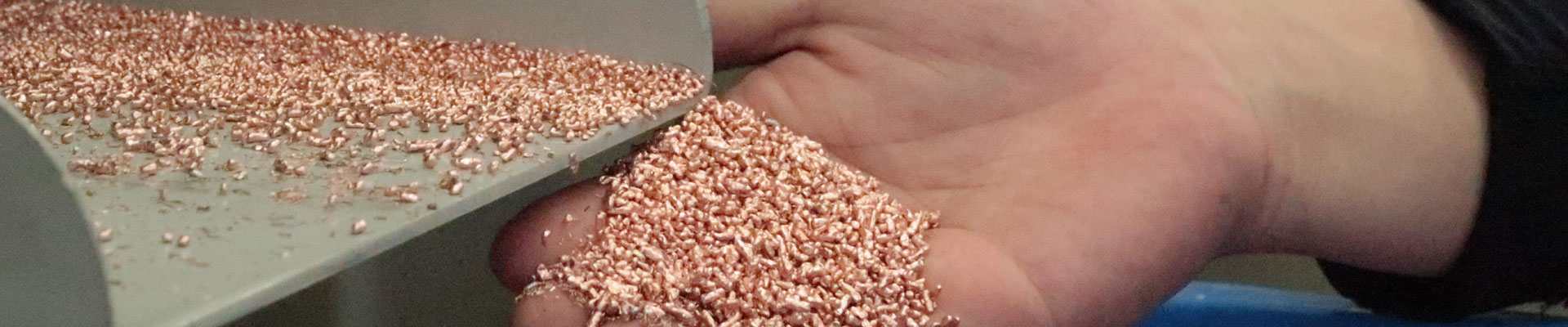
- Copper: Widely distributed in PCB circuits and conductive layers, making it one of the major recoverable metals.
- Other Metals: Tin, nickel, aluminum, and iron can also be recovered from suitable PCB fractions.
The actual metal content depends on PCB type, age, and manufacturing technology. Precious metal recovery can significantly increase the value of waste circuit boards.
3. Why Is PCB Recycling with Precious Metal Recovery Important?
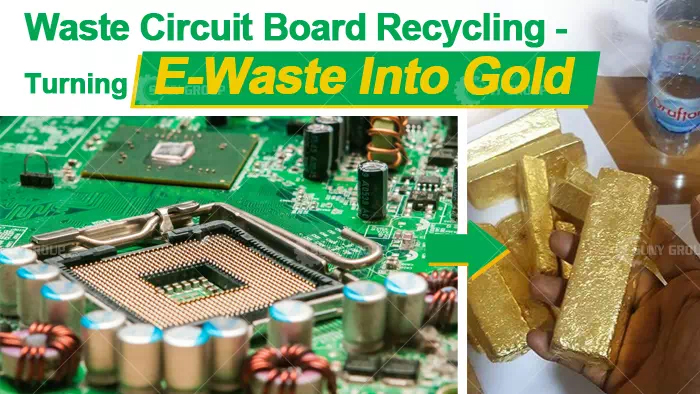
Recovering precious metals from waste PCBs offers both environmental and economic benefits. Gold, silver, and palladium are valuable non-renewable resources. Recycling them reduces dependence on mining and supports the reuse of secondary raw materials.
Meanwhile, improper disposal or uncontrolled burning of electronic waste can release hazardous substances and cause environmental pollution. Professional PCB recycling helps reduce these risks through controlled processing and appropriate pollution treatment.
For recycling businesses, recovering valuable metals from discarded circuit boards creates additional revenue opportunities and improves resource utilization.
4. What Machines Are Needed for a PCB Recycling Plant?
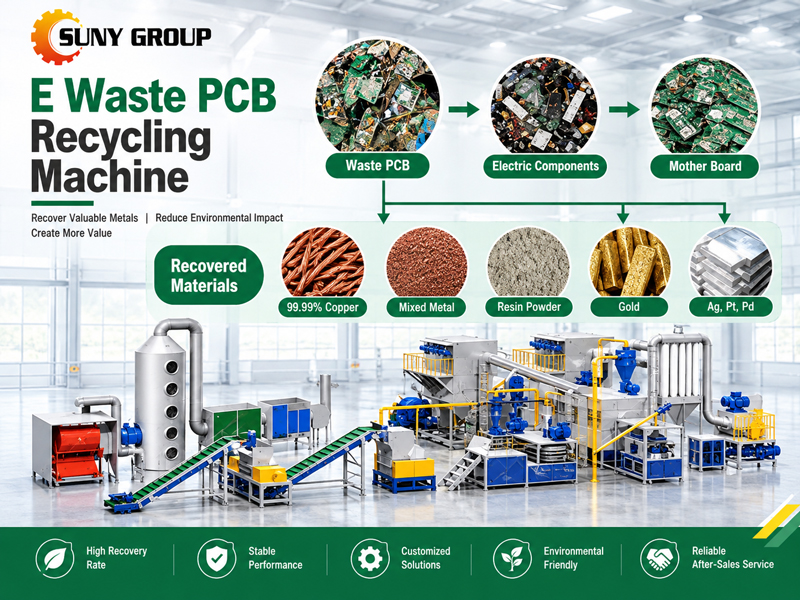
A complete PCB recycling production line combines crushing, grinding, screening, and separation equipment. The main machines include:
- PCB Dismantling Machine: Removes electronic components and valuable parts from circuit boards.
- PCB Shredder: Breaks large circuit boards into smaller pieces.
- Hammer Crusher: Further crushes materials to achieve a suitable particle size.
- Vibrating Screen: Classifies crushed materials according to particle size.
- Magnetic Separator: Removes iron and other magnetic metals.
- Air Separator: Separates lightweight materials from heavier fractions.
- Electrostatic Separator: Separates metal particles from non-metallic materials.
- Dust Collection System: Collects dust generated during crushing and separation.
Equipment configurations can be customized according to PCB types, processing capacity, and final product requirements.
5. How Does the PCB Recycling and Precious Metal Recovery Process Work?
A typical PCB recycling process involves several stages:
Step 1: Collection and Sorting
Waste circuit boards are collected and classified according to their types, sizes, and material characteristics.
Step 2: Dismantling
Electronic components, batteries, and other unsuitable materials are removed through manual or mechanical dismantling.
Step 3: Shredding and Crushing
The remaining PCBs enter a shredder for primary size reduction, followed by a hammer crusher or grinding machine to produce smaller particles.
Step 4: Screening and Separation
Vibrating screens classify materials, while magnetic, air, and electrostatic separators separate different metal and non-metal fractions.
Step 5: Precious Metal Refining
The collected metal-rich concentrates are sent for further metallurgical treatment. Depending on the material composition and recovery requirements, hydrometallurgical or pyrometallurgical processes can be used to extract gold, silver, palladium, and other metals.
6. What Are the Main Precious Metal Recovery Methods?
Three main technologies are commonly used in PCB recycling:
- Mechanical Separation: Uses shredding, crushing, screening, and physical separation to concentrate valuable metals.
- Hydrometallurgical Recovery: Uses controlled chemical processes to dissolve and recover specific metals from prepared materials.
- Pyrometallurgical Recovery: Uses high-temperature treatment to concentrate and recover metals through specialized smelting processes.
Mechanical processing is often used as the pretreatment stage, while hydrometallurgical or pyrometallurgical technologies provide further metal recovery. The appropriate method depends on investment scale, feedstock composition, environmental requirements, and desired product purity.
7. How to Choose a Reliable PCB Recycling Equipment Manufacturer?
Choosing the right manufacturer is essential for establishing an efficient PCB recycling plant. Investors should evaluate the following factors:
- Technical Experience: Select a manufacturer with practical experience in PCB recycling and metal separation.
- Customized Configuration: Ensure the equipment matches the types and quantities of waste PCBs.
- Recovery Performance: Evaluate separation efficiency and the quality of recovered metal concentrates.
- Environmental Protection: Check dust collection, exhaust gas treatment, wastewater management, and safe residue disposal.
- After-Sales Support: Consider installation, commissioning, operator training, spare parts, and technical assistance.
SUNY Group provides customized PCB recycling equipment and complete production line solutions, covering dismantling, shredding, crushing, screening, and separation. By selecting suitable equipment configurations, customers can efficiently process waste circuit boards and prepare valuable metal-rich materials for further precious metal refining.
PCB recycling with precious metal recovery transforms discarded electronic circuit boards into valuable secondary resources. By combining mechanical processing with appropriate metallurgical technologies, recycling businesses can recover copper, gold, silver, palladium, and other metals while reducing environmental pollution. Selecting suitable equipment and a professional manufacturer is essential for building an efficient and sustainable PCB recycling business.