
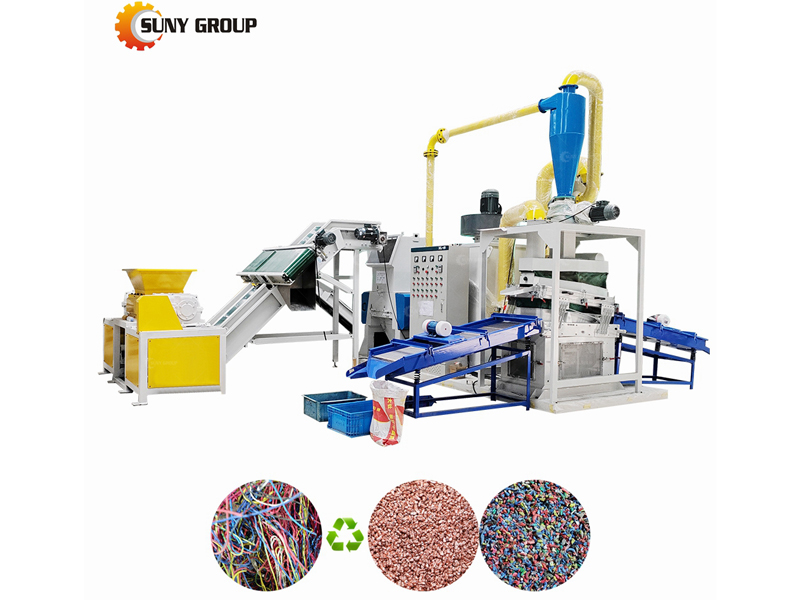
Cable Recycling Granulation and Separation Line
1. What Is Scrap Cable and Where Does It Come From?
Cable Recycling Granulation and Separation Line is an integrated recycling system designed to process waste electrical cables and separate valuable metals from insulation materials. Scrap cables are generated by construction projects, power grid maintenance, telecommunications upgrades, automotive manufacturing, electrical equipment production, and electronic waste recycling.
Common recyclable cable types include:
- Power cables: Used in electricity transmission and distribution.
- Building wires: Copper or aluminum wires recovered from residential and commercial buildings.
- Communication cables: Telephone, network, and data transmission cables.
- Automotive wires: Wiring harnesses from cars, trucks, and other vehicles.
- Industrial cables: Cables removed from factories, motors, and electrical equipment.
- Production scrap: Offcuts and defective cables generated during cable manufacturing.
Different cable types contain different conductor materials, insulation layers, and metal proportions. Therefore, identifying the incoming materials is the first step in designing an efficient recycling line.
2. What Are Scrap Cables Made Of, and What Is Their Recycling Value?
Most electrical cables consist of a conductive core surrounded by insulation and, in some cases, additional protective layers.
The main recoverable materials include:
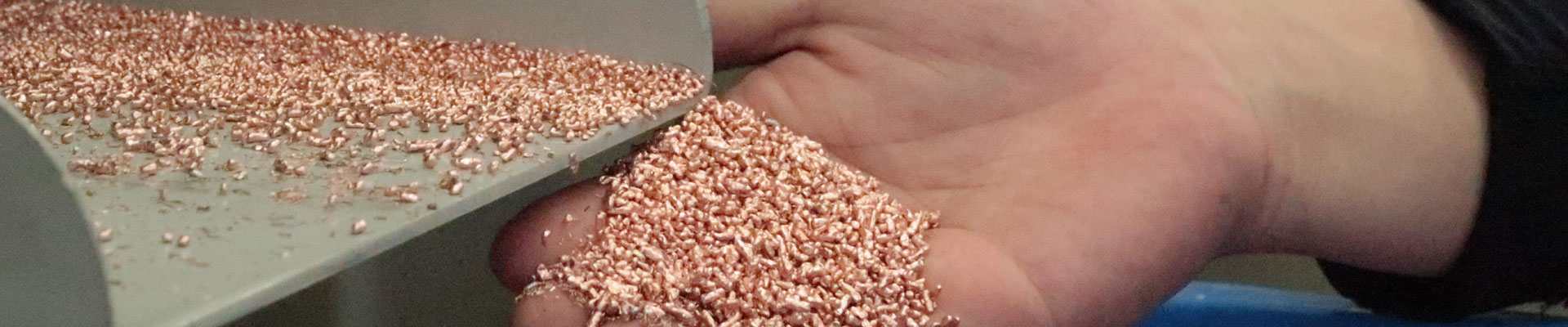
- Copper: Widely used in power cables, building wires, and communication cables because of its excellent electrical conductivity. Recovered copper can be sold to metal recyclers or smelters and reused in wire, cable, and electrical product manufacturing.
- Aluminum: Commonly found in power transmission cables. Recovered aluminum can be remelted and used in new industrial products.
- Plastic insulation: PVC, PE, XLPE, and other polymers protect conductors from electrical contact and environmental damage. Suitable separated plastics may be recycled into secondary plastic products.
- Rubber: Found in certain industrial and flexible cables and potentially recoverable through appropriate material sorting.
- Steel and other metals: Some armored cables contain steel wire or other metal layers that may require separate pretreatment.
Copper is often the most valuable component of copper cable scrap, while aluminum cables can also provide significant recovery value. The profitability of a recycling operation depends on metal content, incoming cable prices, processing costs, material purity, and market demand.
3. How Does a Cable Recycling Granulation and Separation Line Work?
A complete cable recycling line combines size reduction and physical separation to recover metal and insulation materials efficiently.
Step 1: Cable Sorting and Pretreatment
Incoming cables are inspected and classified by diameter, conductor material, and structure. Thick cables, armored cables, and unusually large bundles may require a cable stripping machine or primary shredder before granulation. Batteries, electronic components, and unsuitable materials should be removed from mixed waste streams.
Step 2: Shredding and Granulation
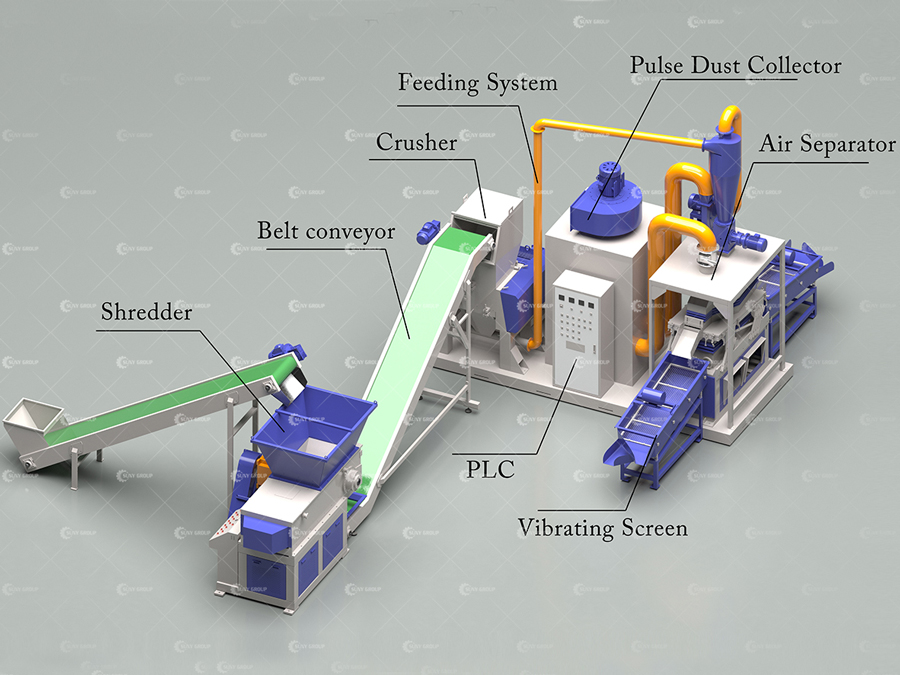
A shredder reduces bulky cables into manageable pieces. The material then enters a cable granulator, which cuts it into smaller particles and releases the metal conductors from their insulation. Screen size and cutting conditions should match the cable type and required output size.
Step 3: Magnetic Separation
If the feed contains steel armor or ferrous contaminants, a magnetic separator can remove these materials before or after size reduction, depending on the plant configuration.
Step 4: Airflow and Vibrating Separation
An airflow separator separates lighter plastic or rubber insulation from heavier metal particles. A vibrating separation table further classifies the mixture according to differences in density and particle behavior, improving copper recovery.
Step 5: Electrostatic Separation and Final Sorting
For fine or difficult-to-separate mixtures, an electrostatic separator can provide additional separation based on electrical conductivity. The final process configuration depends on cable composition, particle size, and target product purity.
Step 6: Material Collection
Recovered copper or aluminum granules and separated plastic fractions are collected independently. The materials can then be sold, reused, or sent for further processing.
4. How to Build a Complete Cable Recycling Line
Building a complete Cable Recycling Granulation and Separation Line requires more than selecting a granulator. The entire production process must be designed as an integrated system.
Key considerations include:
- Analyze raw materials: Determine cable types, conductor metals, insulation materials, diameters, and contamination levels.
- Calculate processing capacity: Estimate daily and monthly feedstock availability.
- Select core equipment: Match the shredder, granulator, separators, conveyors, and dust collection system.
- Plan the factory layout: Allocate space for raw material storage, processing equipment, finished products, and maintenance access.
- Configure environmental protection: Install suitable dust collection and comply with local noise, emissions, and waste management requirements.
- Test the complete line: Conduct material trials to evaluate throughput, metal recovery, and final product purity before full-scale operation.
A dry granulation and separation system is often suitable for insulated cable recycling because it can separate metal and plastic without process water. However, specialized cable structures may require additional equipment or alternative treatment methods.
5. How to Choose the Right Processing Capacity
The appropriate capacity depends on the customer’s feedstock supply, business scale, available space, and investment plan.
- 100–200 kg/h: Suitable for small recycling workshops, cable manufacturers processing production scrap, and businesses entering the cable recycling market.
- 200–500 kg/h: Suitable for medium-sized recycling companies handling a regular supply of mixed waste cables.
- 500–1,000 kg/h: Suitable for established recycling facilities with larger feedstock volumes and more continuous production requirements.
- Above 1,000 kg/h: Suitable for large industrial recycling plants that require customized equipment configurations and higher processing throughput.
These ranges are preliminary selection guidelines rather than universal equipment specifications. Actual output depends on cable diameter, metal content, insulation type, feeding conditions, and separation requirements. Buyers should also consider operating hours, future expansion, energy consumption, and maintenance costs.
6. Why Invest in a Cable Recycling Granulation and Separation Line?
A well-designed Cable Recycling Granulation and Separation Line helps businesses recover valuable copper and aluminum, reduce manual sorting, and produce separate material streams for downstream recycling. By matching shredding, granulation, and separation equipment to actual feedstock characteristics, operators can improve processing efficiency and maintain consistent product quality.
Whether you are a cable manufacturer recycling production waste or a professional scrap recycling company processing mixed cables, a customized recycling line can help turn waste electrical cables into valuable secondary resources while supporting a more sustainable circular economy.