
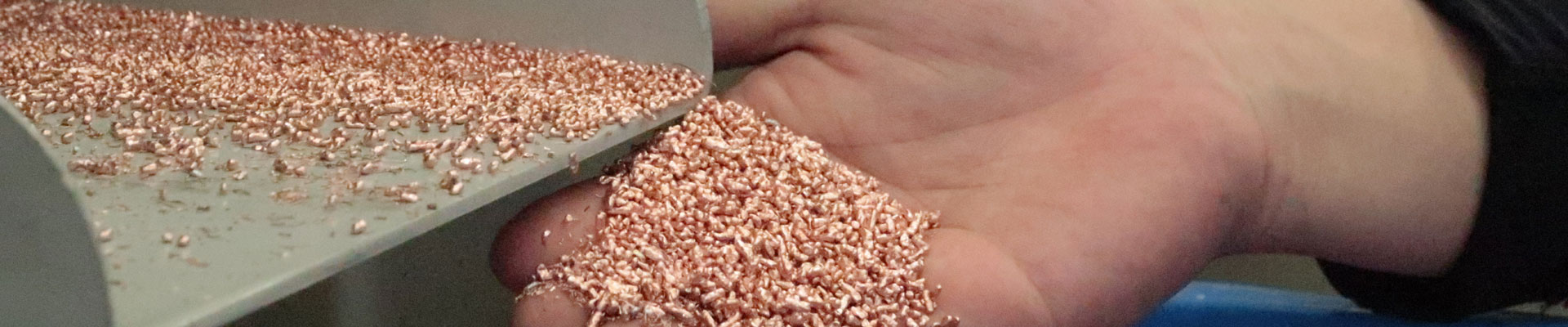
PCB Recycling Machinery
With the rapid development of the electronics industry, the amount of electronic waste (E-waste) is increasing every year. Printed Circuit Boards (PCBs) are one of the most valuable components in electronic waste because they contain various precious metals and recyclable materials. PCB recycling machinery is an advanced recycling system designed to separate and recover valuable resources from waste circuit boards through crushing, grinding, and sorting technology.
A complete PCB recycling machine can efficiently process waste PCBs from computers, mobile phones, electrical appliances, and other electronic devices. By using environmentally friendly recycling technology, companies can recover metals while reducing pollution caused by improper disposal.
What Is PCB?
PCB stands for Printed Circuit Board, which is an important electronic component used to connect and support electronic components in various devices.
PCBs are widely found in:
- Computers and servers
- Mobile phones
- TVs and monitors
- Home appliances
- Industrial control equipment
- Automotive electronic systems
A PCB mainly consists of:
- Base materials
- Fiberglass
- Resin
- Plastic materials
- Metal materials
- Copper
- Gold
- Silver
- Palladium
- Nickel
Because of its high metal content, waste PCB boards have significant recycling value.
Why Do PCBs Need to Be Recycled?
1. Recover Valuable Metals
The biggest value of PCB recycling is recovering precious and non-ferrous metals.
The recovered materials include:
- Copper
- Gold
- Silver
- Palladium
- Aluminum
- Tin
Among them, copper has the highest recovery volume, while gold, silver, and palladium have higher economic value.
2. Reduce Electronic Waste Pollution
Waste PCBs contain metals and chemical substances that may pollute soil and water if directly discarded.
PCB recycling helps:
- Reduce landfill waste
- Prevent environmental pollution
- Support green recycling
3. Create Economic Benefits
Through advanced PCB recycling machinery, recycling companies can transform waste circuit boards into valuable resources and generate profits from recycled metals and materials.
Complete PCB Recycling Machinery Introduction
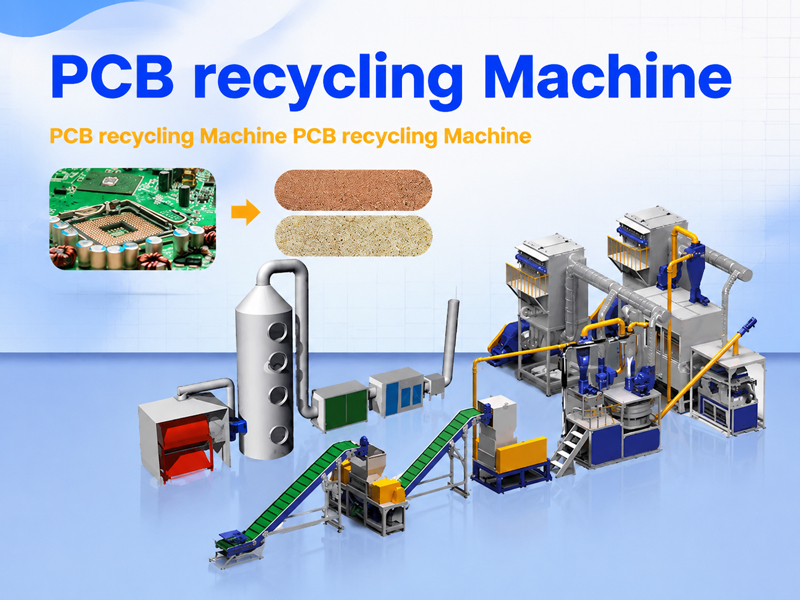
A complete PCB recycling plant usually consists of multiple machines working together to achieve high recovery efficiency.
1. Feeding System
The feeding system automatically transfers waste PCB boards into the recycling line.
Advantages:
- Continuous feeding
- Reduced manual labor
- Improved production efficiency
2. Primary Crusher
The crusher is used for the first stage of PCB size reduction.
Main functions:
- Break large PCB boards into smaller pieces
- Improve material separation
- Prepare materials for further processing
3. Secondary Crusher and Grinder
After primary crushing, materials enter the grinding system.
The grinder further reduces PCB particles into fine materials, allowing metals and non-metal materials to separate effectively.
Features:
- High crushing efficiency
- Stable operation
- Improved metal recovery rate
4. Air Separation System
The air separator separates lightweight materials from heavy metals according to density differences.
It can separate:
- Metal particles
- Resin powder
- Fiberglass materials
5. Electrostatic Separator
The electrostatic separator is an important part of PCB recycling machinery.
It separates conductive and non-conductive materials:
- Copper particles
- Precious metal particles
- Plastic powder
- Fiberglass powder
This improves the purity and recycling value of final products.
6. Dust Collection System
PCB processing generates dust during crushing and grinding.
A professional recycling system includes dust collectors to:
- Control dust emissions
- Protect workers
- Improve environmental performance
PCB Recycling Process Flow
The complete PCB recycling process usually includes the following steps:
Step 1: Material Feeding
Waste PCB boards are manually or automatically fed into the recycling system.
Step 2: Primary Crushing
Large circuit boards are crushed into smaller pieces.
Step 3: Fine Crushing and Grinding
The crushed materials are further processed into smaller particles to release metals.
Step 4: Magnetic and Air Separation
Different materials are separated according to physical characteristics.
Step 5: Electrostatic Separation
Metal and non-metal materials are separated to achieve high purity.
Step 6: Collection of Recycled Materials
Final products include:
- Copper concentrate
- Precious metal-containing materials
- Plastic powder
- Fiberglass powder
Recycling Value of Waste PCBs
The recycled materials from PCB recycling machinery have different applications.
1. Copper
Copper is the main recovered metal from PCBs.
Applications:
- Electrical cables
- Electronic manufacturing
- Metal products
2. Precious Metals
PCBs contain small amounts of valuable metals:
- Gold
- Silver
- Palladium
These metals can be reused in:
- Electronics manufacturing
- Jewelry industry
- Industrial applications
3. Non-Metal Materials
Fiberglass and resin powder can be reused as:
- Construction materials
- Composite materials
- Industrial fillers
Advantages of PCB Recycling Machinery
1. High Metal Recovery Rate
Advanced crushing and separation technology improves recovery efficiency and increases economic returns.
2. Environmentally Friendly Operation
The recycling system uses dust collection and closed processing technology to reduce pollution.
3. Automatic Processing
Automatic feeding, crushing, separation, and collection reduce labor costs.
4. Wide Application Range
PCB recycling machinery can process:
- Computer motherboards
- Mobile phone boards
- Appliance circuit boards
- Industrial electronic boards
5. Customized Solutions
Manufacturers can design recycling systems according to:
- Processing capacity
- Raw material types
- Investment budget
- Final product requirements
PCB recycling machinery is an efficient solution for recovering valuable resources from waste electronic circuit boards. Through advanced crushing, grinding, and separation technology, a complete PCB recycling plant can recover copper, gold, silver, palladium, and other valuable materials while reducing electronic waste pollution.
With the continuous growth of the electronics industry, investing in professional PCB recycling machinery provides an excellent opportunity for sustainable resource recovery and profitable recycling business development.