
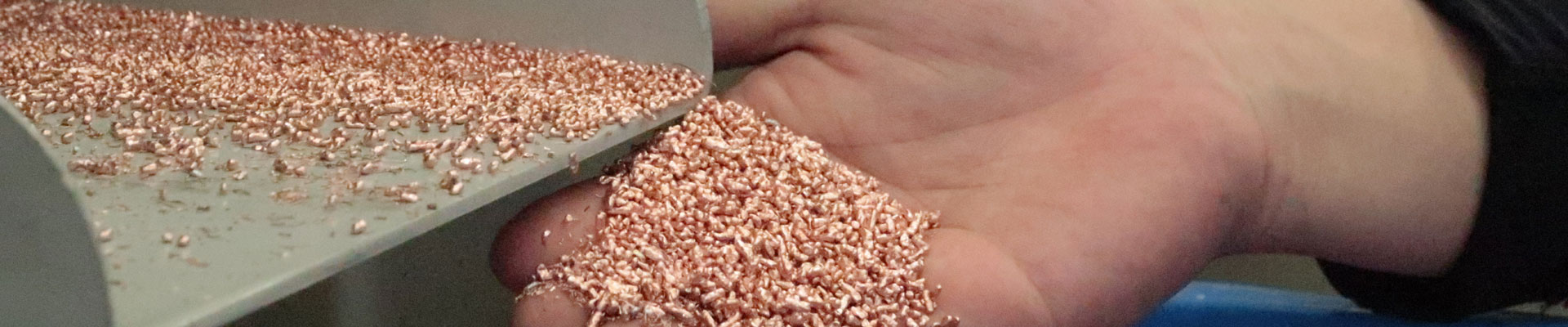
Lithium-Ion Battery Recycling Machinery
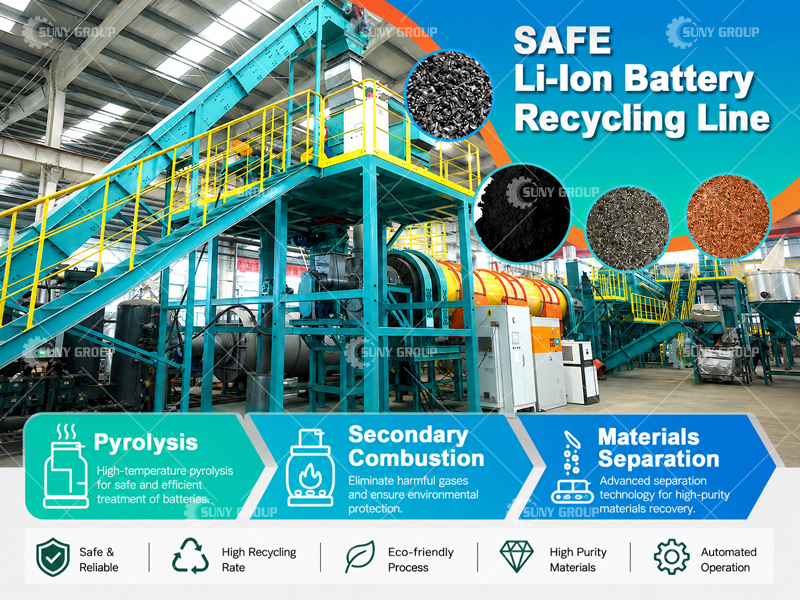
With the rapid development of electric vehicles, energy storage systems, smartphones, laptops, and electronic products, the number of discarded lithium-ion batteries is increasing dramatically worldwide. As a result, lithium-ion battery recycling has become one of the most important industries in the renewable energy and environmental protection sectors. Advanced lithium-ion battery recycling machinery can efficiently recover valuable metals and reduce environmental pollution, creating both economic and ecological benefits.
Why Are Lithium-Ion Batteries Increasing Rapidly?
Lithium-ion batteries are widely used because they offer:
- High energy density
- Long service life
- Fast charging capability
- Lightweight design
- Excellent rechargeable performance
Today, lithium batteries are commonly found in:
- Electric vehicles (EV batteries)
- Mobile phones
- Laptop computers
- Energy storage systems
- Power tools
- E-bikes and scooters
As global demand for clean energy and electric transportation grows, millions of lithium batteries are reaching the end of their lifecycle every year. This creates huge demand for professional lithium-ion battery recycling machinery.
Structure Analysis of Lithium-Ion Batteries
A lithium-ion battery contains several important components and valuable materials.
Main Battery Structure
1. Cathode Materials
Usually contain:
- Lithium cobalt oxide
- Lithium iron phosphate
- Nickel cobalt manganese (NCM)
- Lithium manganese oxide
2. Anode Materials
Mainly graphite and carbon materials.
3. Electrolyte
Used for ion transmission inside the battery.
4. Separator
Separates the cathode and anode to prevent short circuits.
5. Metal Shell and Foils
Including:
- Aluminum foil
- Copper foil
- Steel or aluminum casing
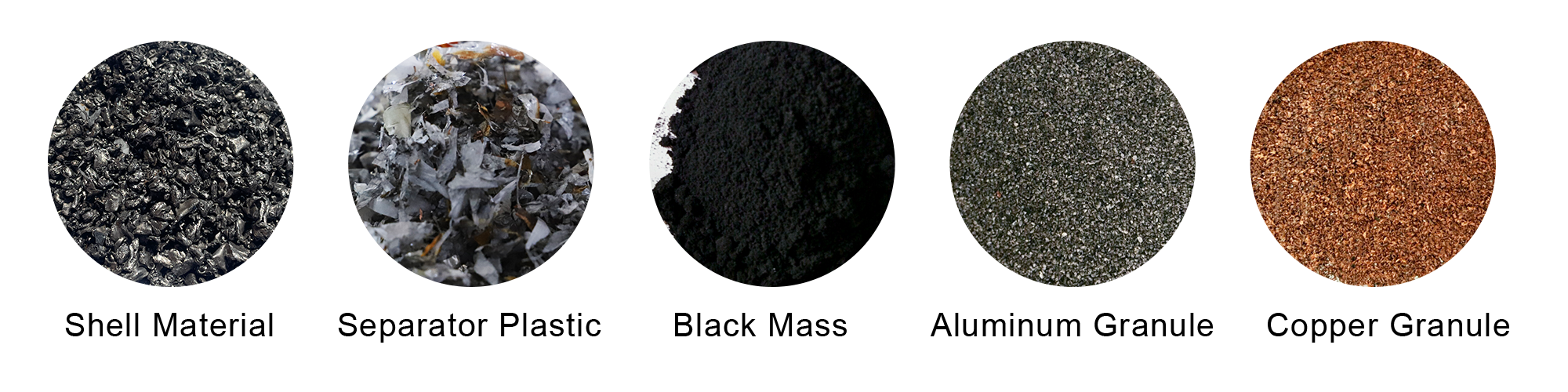
Recyclable Materials in Lithium Batteries
Waste lithium-ion batteries contain many high-value recyclable metals and materials, including:
- Lithium
- Cobalt
- Nickel
- Copper
- Aluminum
- Graphite
- Plastic materials
These recovered resources can be reused in battery manufacturing and metal processing industries.
Introduction to Lithium-Ion Battery Recycling Machinery
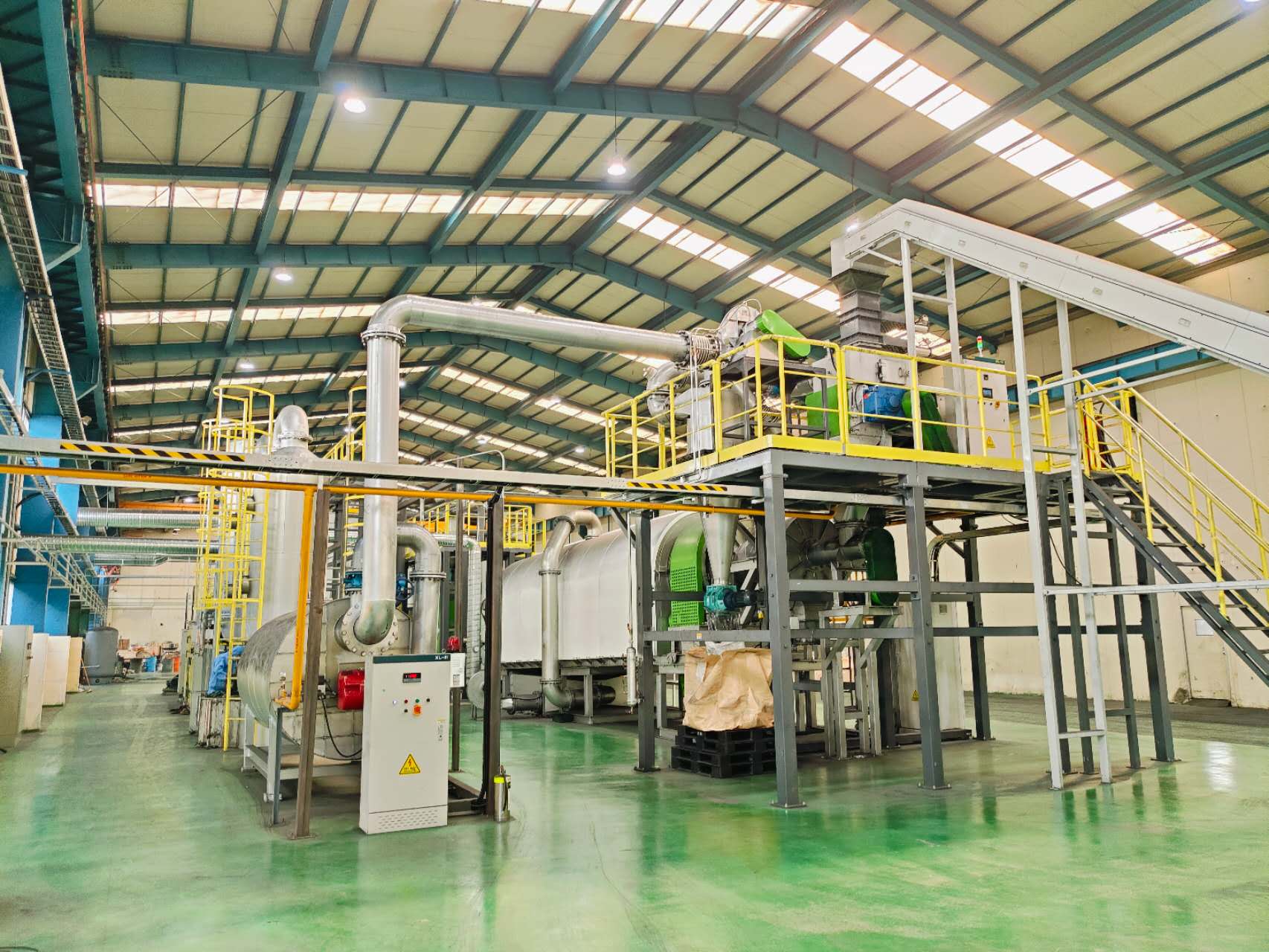
Modern lithium battery recycling plants use advanced automated equipment to safely process various types of batteries.
Main Recycling Machines
1. Battery Discharging Machine
Residual electricity is removed before processing to improve operational safety.
2. Battery Crushing Machine
The batteries are shredded into smaller particles for easier separation.
3. Hammer Mill or Pulverizer
Further crushes materials to release metal powders and black mass.
4. Air Separation System
Separates light plastic materials from heavier metals.
5. Magnetic Separator
Removes iron and magnetic metals automatically.
6. Gravity Separation Equipment
Separates copper, aluminum, and black mass according to density differences.
7. Dust Collection System
Controls dust pollution and ensures safe environmental operation.
Detailed Lithium Battery Recycling Process
The lithium-ion battery recycling process usually includes several important steps.
Step 1: Battery Collection and Sorting
Different battery types and sizes are classified before recycling.
Step 2: Safe Discharging
Remaining electrical energy is removed to prevent fire and explosion risks.
Step 3: Crushing and Shredding
Batteries are crushed into mixed particles.
Step 4: Screening and Separation
Different materials are separated using airflow, magnetic, and gravity sorting systems.
Step 5: Black Mass Recovery
The valuable black mass containing lithium, cobalt, and nickel is collected.
Step 6: Final Material Purification
Recovered materials are purified for industrial reuse.
Final Recycled Materials and Their Applications
After processing through lithium-ion battery recycling machinery, several valuable materials can be obtained.
| Recycled Material | Main Applications |
|---|---|
| Lithium Powder | New battery production |
| Cobalt | Aerospace and battery industries |
| Nickel | Stainless steel and batteries |
| Copper | Electrical cables and electronics |
| Aluminum | Metal manufacturing |
| Graphite | Battery anode materials |
| Plastic | Plastic recycling industry |
Advantages of Lithium-Ion Battery Recycling Machinery
Modern recycling equipment offers many advantages:
- High recovery efficiency
- Automated and continuous operation
- Environmentally friendly processing
- Low energy consumption
- High purity material separation
- Improved workplace safety
- Reduced labor costs
Lithium-ion battery recycling is becoming increasingly important due to the rapid growth of electric vehicles and energy storage industries. Advanced lithium-ion battery recycling machinery can efficiently recover valuable metals such as lithium, cobalt, nickel, copper, and aluminum while reducing environmental pollution. With strong economic value and sustainable environmental benefits, lithium battery recycling plants are becoming essential investments for the future circular economy and green energy industry.