
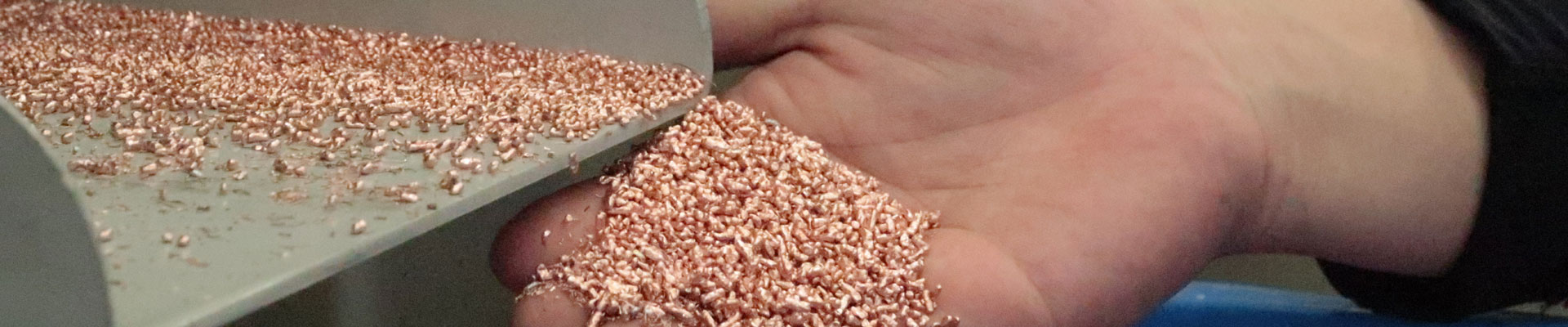
Lithium Battery Separator Plant
With the rapid growth of electric vehicles, energy storage systems, and portable electronic devices, the demand for lithium batteries has increased significantly worldwide. However, large quantities of waste lithium batteries are generated every year from used EV batteries, consumer electronics, and energy storage applications. Building a lithium battery separator plant or lithium battery recycling facility has become an important solution to recover valuable materials and support the circular economy.
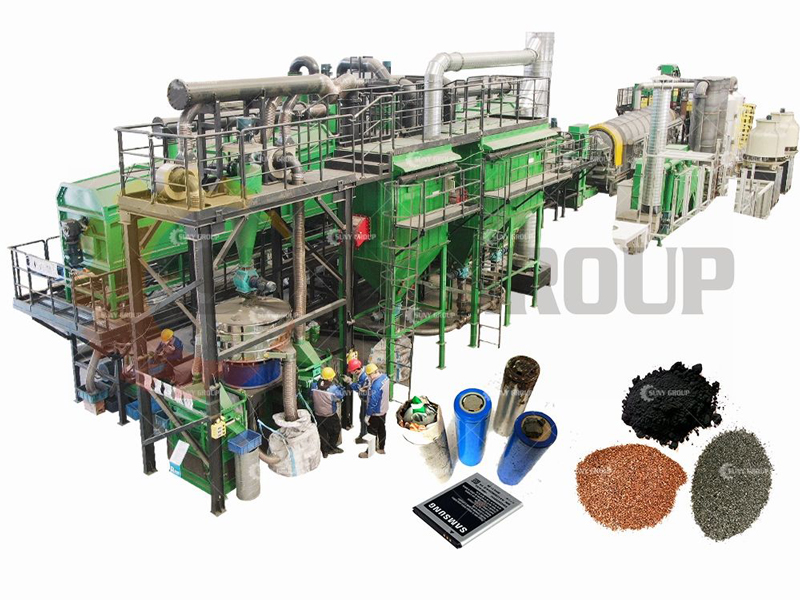
What Are the Main Types and Sources of Lithium Batteries?
Lithium batteries are widely used because of their high energy density, long lifespan, and excellent charging performance. The main types include:
1. Lithium Iron Phosphate Battery (LFP Battery)
LFP batteries are commonly used in electric vehicles, buses, energy storage systems, and industrial applications. They offer high safety, long cycle life, and stable performance.
2. Nickel Manganese Cobalt Battery (NMC Battery)
NMC batteries are widely applied in electric cars, power tools, and portable devices. They contain valuable metals such as nickel, cobalt, and manganese.
3. Lithium Cobalt Oxide Battery (LCO Battery)
LCO batteries are mainly found in smartphones, laptops, tablets, and digital products. They have high cobalt content and significant recycling value.
4. Lithium Manganese Oxide Battery (LMO Battery)
LMO batteries are used in electric tools, medical equipment, and some electric vehicles.
Main Sources of Waste Lithium Batteries:
- Electric vehicle (EV) batteries
- Hybrid vehicle batteries
- Mobile phones and laptops
- Power tools
- Energy storage systems
- Industrial backup batteries
- Production waste from battery factories
What Materials in Lithium Batteries Have Recycling Value?
A waste lithium battery contains many valuable materials that can be recovered through professional recycling technology.
1. Lithium
Lithium is a critical raw material for battery manufacturing. Recovered lithium can be reused to produce new battery materials.
2. Cobalt
Cobalt has high economic value and is mainly found in NMC and LCO batteries. Recycling cobalt helps reduce dependence on mining resources.
3. Nickel
Nickel is widely used in battery cathode materials and has strong recycling demand.
4. Copper
Copper is mainly found in battery current collectors and cables. It has excellent recycling value.
5. Aluminum
Aluminum is used for battery casings and current collectors. It can be recycled and reused in many industries.
6. Graphite
Graphite is the main material in battery anodes. Recovered graphite can be processed for new battery production.
7. Battery Separator Material
The separator is usually made of PE, PP, or composite polymer materials. Recycling the separator helps reduce plastic waste and improve resource utilization.
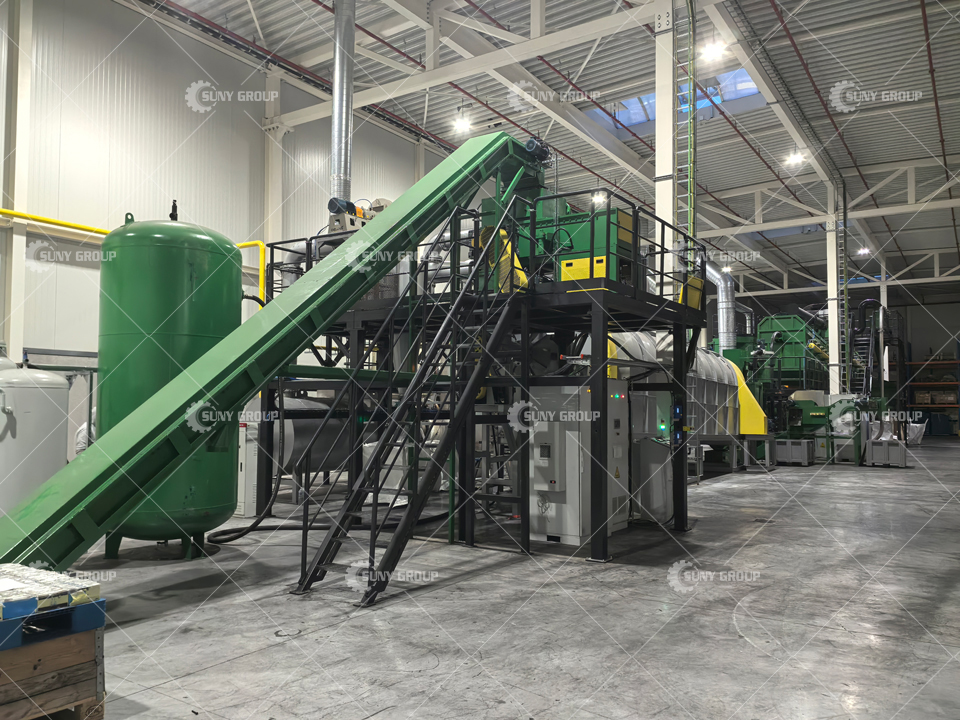
How to Completely Separate Lithium Battery Materials?
A professional lithium battery recycling system usually uses multiple processes to achieve high recovery rates.
1. Discharging and Safety Treatment
Before recycling, waste batteries need to be discharged and safely treated to avoid fire or explosion risks caused by remaining electricity.
2. Battery Dismantling
The dismantling process removes:
- Battery casing
- Wires
- Aluminum parts
- Copper components
Automatic dismantling equipment can improve efficiency and reduce manual labor.
3. Crushing and Shredding
A lithium battery shredder breaks batteries into smaller particles. During this process, electrode materials, separators, metals, and plastics are released.
4. Separation Process
Different separation technologies are used:
- Magnetic separation: Removes iron-containing materials.
- Air separation: Separates lightweight materials such as plastic separators.
- Vibrating screening: Classifies materials according to particle size.
- Gravity separation: Separates materials with different densities.
- Hydrometallurgical processing: Extracts lithium, cobalt, nickel, and other valuable metals.
Through these processes, valuable materials can be recovered with high purity.
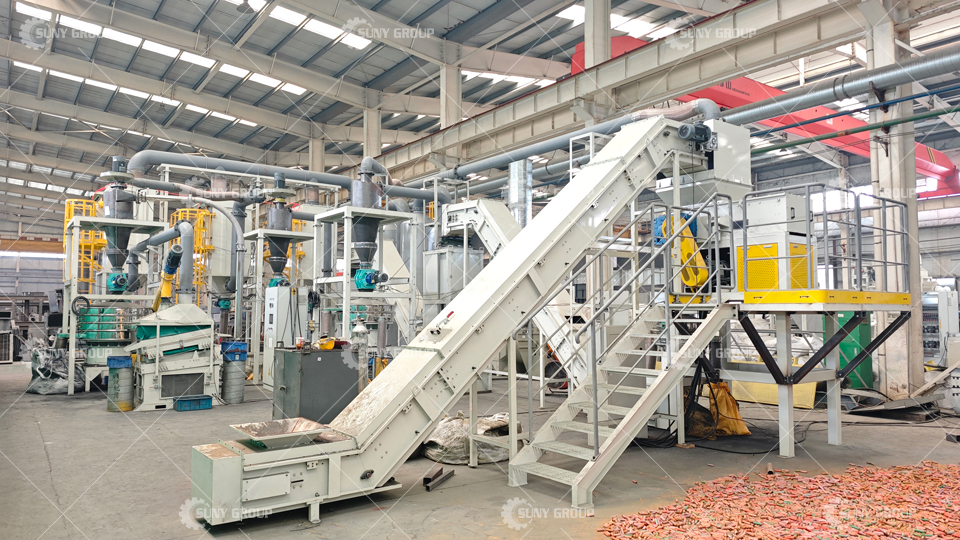
How to Build a Lithium Battery Separator Plant?
Building a lithium battery separator plant requires careful planning in several areas:
1. Determine Production Capacity
Investors should first evaluate:
- Available waste battery supply
- Target production volume
- Required recovery rate
- Market demand for recycled materials
Small plants may process several tons per day, while large industrial plants can handle hundreds of tons per day.
2. Choose Suitable Recycling Equipment
A complete lithium battery recycling plant usually includes:
- Battery discharging system
- Automatic dismantling machine
- Lithium battery shredder
- Crusher machine
- Magnetic separator
- Air separator
- Screening equipment
- Dust collection system
- Metal recovery equipment
3. Design the Production Process
A typical process flow includes:
Waste lithium batteries → Discharging → Dismantling → Crushing → Separation → Material purification → Final product collection
The process should be customized according to different battery types, such as EV batteries, cylindrical batteries, and pouch cells.
4. Factory Requirements
A lithium battery recycling plant needs:
- Proper production space
- Ventilation system
- Fire protection equipment
- Waste gas treatment system
- Professional operation area
Safety management is especially important because lithium batteries contain flammable materials.
Lithium Battery Separator Plant Investment Cost
The investment cost depends on many factors:
- Plant capacity
Larger production capacity requires more powerful equipment and higher investment. - Automation level
Fully automatic plants cost more but provide higher efficiency and lower labor costs. - Battery type
Different batteries require different recycling technologies and equipment configurations. - Recovery requirements
Higher purity requirements for lithium, cobalt, nickel, and graphite require more advanced separation systems. - Equipment manufacturer and customization
Professional manufacturers can provide customized solutions based on local conditions and recycling goals.
Lithium battery separator plant provides an efficient way to recover valuable resources from waste lithium batteries. With the increasing demand for electric vehicles and energy storage systems, lithium battery recycling has become a promising industry. By using advanced shredding, crushing, and separation technologies, materials such as lithium, cobalt, nickel, copper, aluminum, graphite, and separators can be effectively recovered. Choosing the right equipment configuration and experienced supplier is essential for building a profitable and environmentally friendly lithium battery recycling plant.