
Lithium Battery Recycling Plant
With the rapid growth of electric vehicles and energy storage systems, the demand for a lithium battery recycling plant is increasing worldwide. Efficient recycling not only reduces environmental risks but also recovers valuable metals.
Importance of Lithium Battery Recycling
Lithium batteries contain hazardous and valuable materials, making recycling essential for both environmental and economic reasons:
- Environmental Protection
Prevents soil and water pollution caused by toxic substances - Resource Conservation
Recovers scarce metals such as lithium, cobalt, and nickel - Waste Reduction
Minimizes landfill disposal of electronic waste - Regulatory Compliance
Meets global environmental policies and recycling standards
As battery usage increases, recycling becomes a key part of the sustainable energy ecosystem.
How to Build a Lithium Battery Recycling Plant
Setting up a lithium battery recycling plant requires careful planning and technical design. The main steps include:
- Site Selection
- Choose an industrial zone with proper environmental approvals
- Ensure access to transportation and utilities
- Capacity Planning
- Define processing capacity (e.g., kg/h or tons/day)
- Match equipment scale with input volume
- Technology Selection
- Mechanical processing (shredding and separation)
- Hydrometallurgical or pyrometallurgical extraction
- Environmental and Safety Systems
- Gas treatment and dust collection
- Wastewater treatment facilities
- Fire prevention systems
- Investment and Budgeting
- Equipment cost
- Installation and operation cost
- Labor and maintenance
Recycling Line Configuration
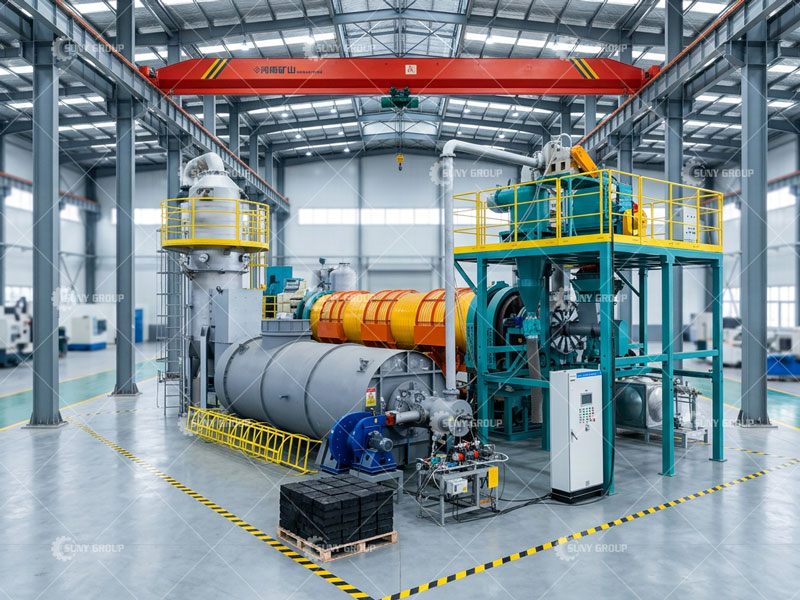
A complete lithium battery recycling line typically includes the following equipment:
- Discharging System
Safely removes residual electrical energy - Dismantling Machine
Separates battery modules and casings - Shredder Machine
Breaks batteries into smaller pieces - Crusher and Grinder
Reduces material size for better separation - Magnetic Separator
Extracts iron materials - Airflow Separator
Separates light plastics from heavier metals - Sieving System
Classifies materials by size - Hydrometallurgical System
Extracts lithium, cobalt, and nickel - Dust Collection System
Ensures safe and clean production
This integrated system ensures high recovery efficiency and stable operation.
Recovered Materials and Their Economic Value
Lithium battery recycling plants produce several valuable materials:
- Lithium Compounds
Reused in battery manufacturing - Cobalt and Nickel
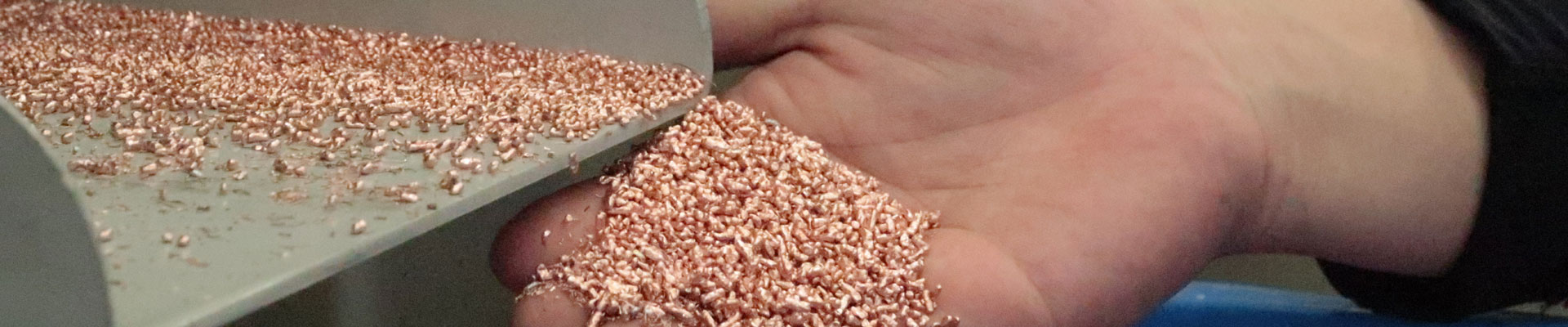
High-value metals used in electronics and alloys - Copper and Aluminum
Recycled into industrial raw materials - Graphite Powder
Used in battery anodes and other applications
Economic Value
- High market demand for cobalt and lithium increases profitability
- Reduces dependence on mining raw materials
- Generates revenue from multiple recovered products
- Supports circular economy and sustainable industries
A lithium battery recycling plant is a vital investment in today’s energy-driven world. By combining advanced technology with efficient system design, businesses can recover valuable materials while protecting the environment. With strong economic returns and growing market demand, lithium battery recycling offers a sustainable and profitable solution for the future.