

Lithium Battery Disposal and Related Waste Management Solutions
As electric vehicles, consumer electronics, and renewable energy storage systems continue to expand worldwide, the volume of end-of-life lithium batteries is increasing rapidly. Effective lithium battery disposal and related waste management solutions have become essential for protecting the environment, reducing safety risks, and recovering valuable resources.
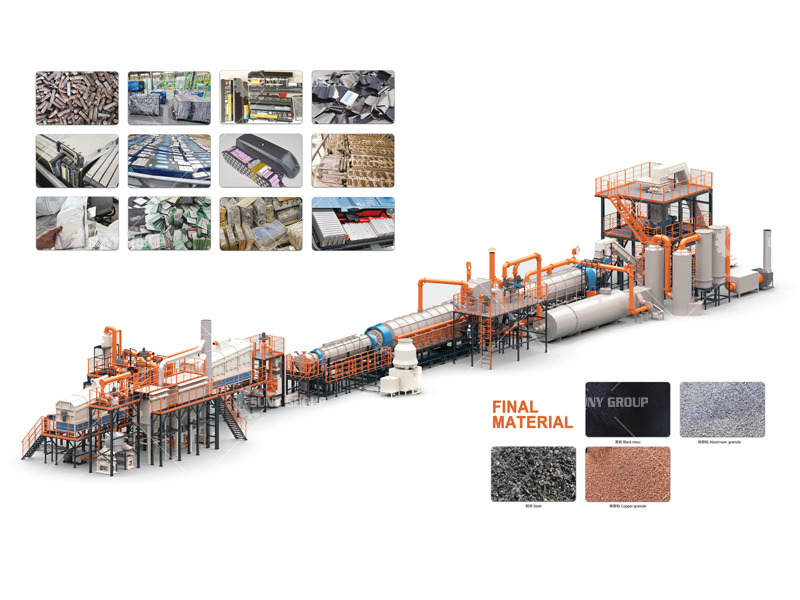
Why Proper Lithium Battery Disposal Matters
Lithium-ion batteries contain valuable metals such as lithium, cobalt, nickel, copper, and aluminum. When improperly discarded in landfills or mixed with municipal waste, these batteries can cause serious environmental pollution and fire hazards.
Key reasons for proper disposal include:
- Preventing soil and groundwater contamination
- Reducing fire and explosion risks
- Conserving natural resources
- Supporting the circular economy
- Meeting environmental regulations
As global battery consumption grows, efficient recycling and disposal systems are becoming increasingly important.
Environmental and Safety Challenges
Improper handling of lithium battery waste can lead to several problems. Damaged batteries may experience thermal runaway, causing fires during storage or transportation. Toxic substances can also leak into the environment if batteries are not processed correctly.
Common challenges include:
- Fire risks during collection and transportation
- Hazardous material management
- Increasing volume of battery waste
- Compliance with local and international regulations
- Efficient recovery of valuable materials
Modern waste management solutions address these challenges through specialized equipment and standardized handling procedures.
Collection, Storage, and Transportation Solutions
A successful lithium battery disposal system begins with proper collection and logistics management.
Typical waste management processes include:
- Battery collection from consumers and industries
- Safe packaging and labeling
- Temporary storage in fire-resistant facilities
- Specialized transportation to recycling plants
- Pre-treatment and sorting operations
Advanced monitoring systems help ensure safety throughout the entire disposal chain while reducing operational risks.
Advanced Lithium Battery Recycling Technologies
Modern recycling plants use several technologies to recover valuable materials efficiently.
Mechanical Recycling
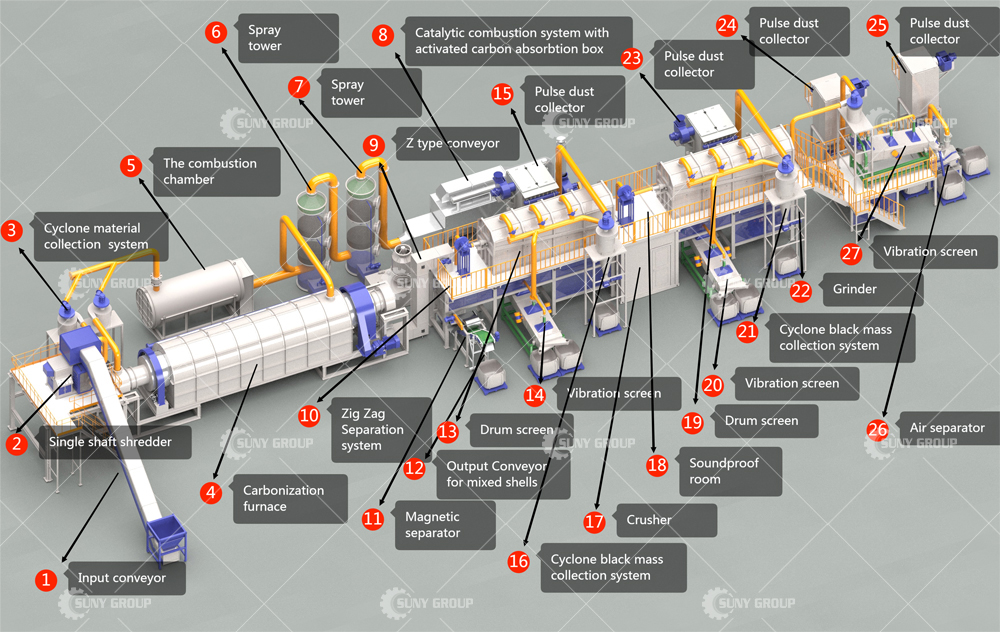
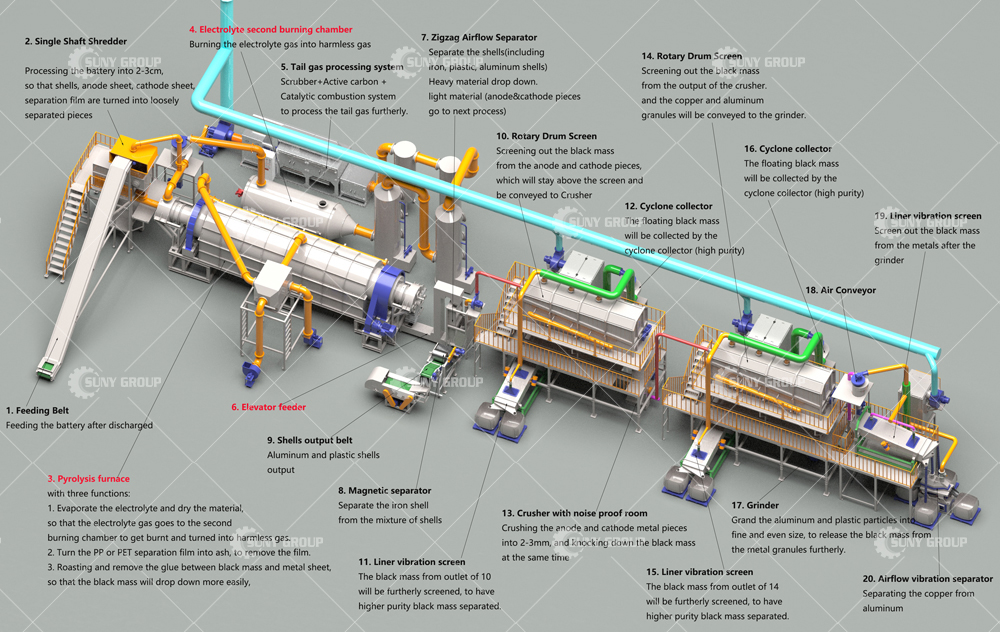
Mechanical processing includes crushing, shredding, sorting, and separation. This method recovers metals, plastics, and black mass while minimizing chemical usage.
Hydrometallurgical Recycling
Hydrometallurgy uses chemical leaching processes to extract lithium, cobalt, nickel, and manganese with high recovery rates and excellent purity levels.
Pyrometallurgical Recycling
Pyrometallurgy utilizes high-temperature treatment to recover valuable metals. It is suitable for processing mixed battery streams but generally requires higher energy consumption.
Many modern facilities combine multiple technologies to maximize resource recovery and economic returns.
Valuable Materials Recovered from Lithium Batteries
Recycling enables the recovery of several high-value materials, including:
- Lithium
- Cobalt
- Nickel
- Copper
- Aluminum
- Graphite
- Steel
These recovered materials can be reused in the production of new batteries, electronic products, and industrial applications, reducing dependence on virgin mining resources.
How to Choose a Reliable Waste Management Solution Provider
Selecting the right recycling and waste management partner is critical for long-term success.
Consider the following factors:
- Recycling efficiency and recovery rates
- Safety management systems
- Environmental compliance certifications
- Processing capacity
- Technology maturity
- Global project experience
- After-sales support and technical service
A professional provider can help businesses achieve both sustainability goals and economic benefits through responsible battery recycling.
Lithium battery disposal and related waste management solutions play a vital role in the sustainable development of the battery industry. Through safe collection, efficient recycling technologies, and comprehensive resource recovery systems, businesses can reduce environmental impact while maximizing the value of end-of-life batteries. As demand for lithium-ion batteries continues to rise, investing in advanced recycling and waste management infrastructure will become increasingly important for building a greener and more sustainable future.