
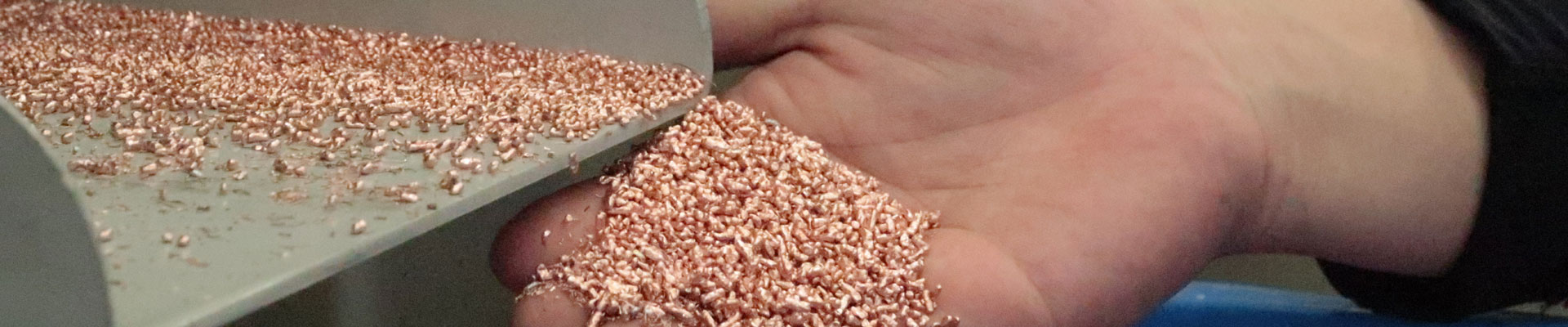
Li-ion Battery Recycling Equipment
The rapid growth of electric vehicles, energy storage systems, smartphones, and consumer electronics has created a huge demand for lithium-ion battery recycling equipment. Millions of lithium-ion batteries reach the end of their service life every year, making battery recycling an important and highly profitable industry.
Lithium-ion batteries contain valuable metals such as lithium, cobalt, nickel, copper, and aluminum. Advanced recycling systems can recover these materials and return them to the battery manufacturing supply chain.
Types of Lithium-Ion Batteries
Different lithium battery chemistries require specialized recycling solutions. Common types include:
- LCO (Lithium Cobalt Oxide) – Used in mobile phones and laptops
- NMC (Nickel Manganese Cobalt) – Widely used in electric vehicles
- NCA (Nickel Cobalt Aluminum) – High-energy EV batteries
- LFP (Lithium Iron Phosphate) – Energy storage and electric buses
- LMO (Lithium Manganese Oxide) – Power tools and electronics
- LTO (Lithium Titanate) – Fast-charging industrial batteries
Each battery type contains recyclable metals and materials with high market value.
What Materials Can Be Recycled?
Modern Li-ion battery recycling equipment can recover:
- Lithium
- Cobalt
- Nickel
- Copper
- Aluminum
- Graphite
- Steel casing
- Plastic separators
- Black mass powder
Among them, black mass is the most valuable material because it contains lithium, cobalt, nickel, and manganese.
Li-ion Battery Recycling Equipment Introduction
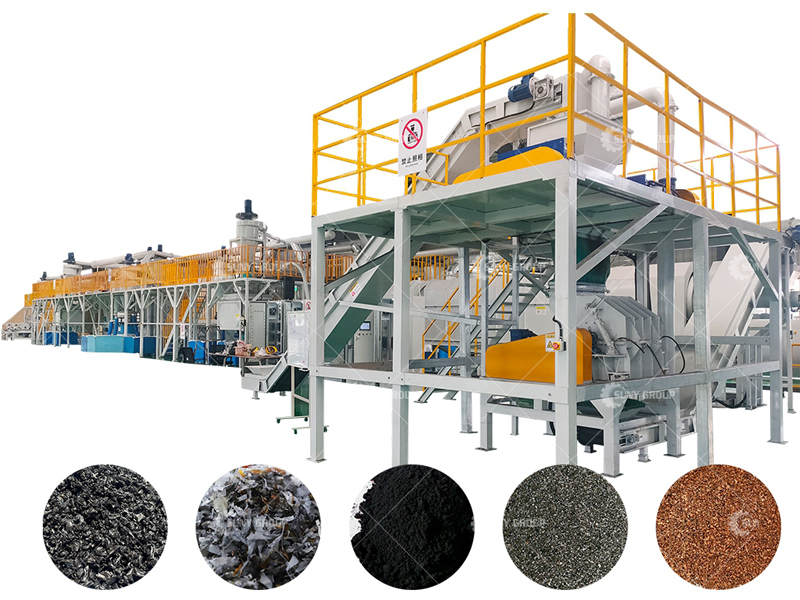
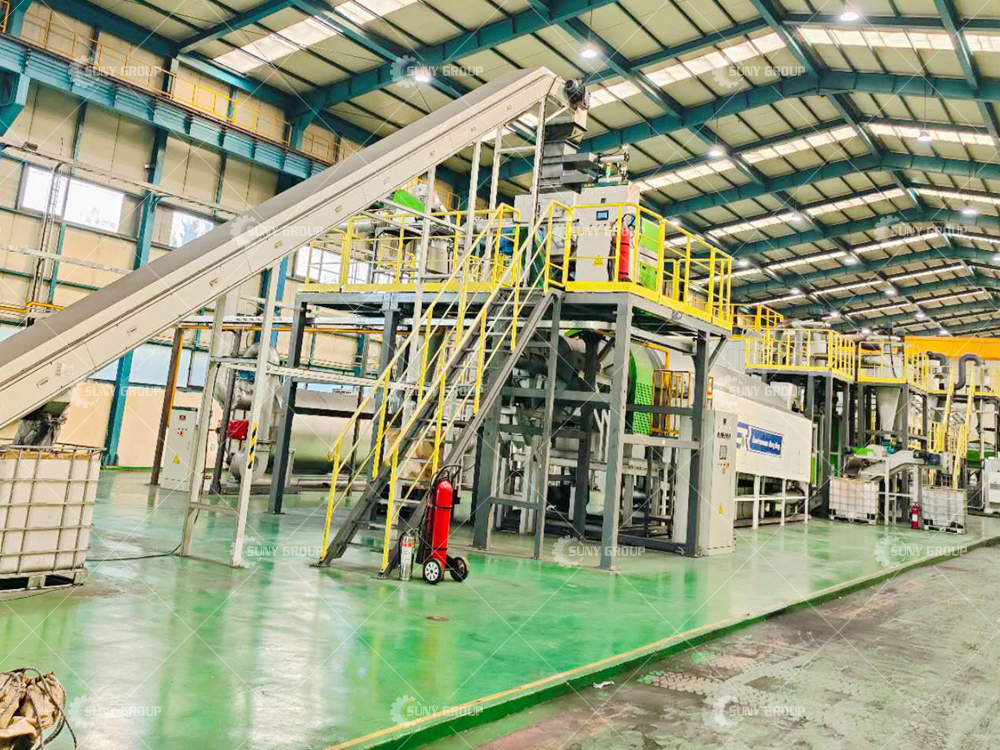
A complete lithium battery recycling plant usually includes the following machines:
1. Battery Discharging System
Used to safely remove residual electricity from waste batteries before processing.
2. Battery Dismantling Machine
Separates battery packs, modules, and cells to improve recycling efficiency.
3. Shredder Machine
Crushes batteries into smaller particles for easier material separation.
4. Crushing and Hammer Mill System
Further reduces particle size and liberates internal materials.
5. Air Separation System
Separates light plastics and separator films from heavier metals.
6. Magnetic Separator
Removes ferrous metals such as iron and steel.
7. Vibrating Screen
Classifies materials according to particle size.
8. Pulse Dust Collection System
Collects dust and protects the working environment.
9. Black Mass Collection System
Recovers valuable cathode and anode powder for hydrometallurgical refining.
Lithium-Ion Battery Recycling Process
The recycling process generally includes the following steps:
Step 1: Collection and Sorting
Waste batteries are collected and classified according to chemistry and size.
Step 2: Safe Discharging
Residual electricity is removed to prevent fire or explosion risks.
Step 3: Crushing and Shredding
Batteries are mechanically crushed under controlled conditions.
Step 4: Physical Separation
Copper, aluminum, steel, plastics, and black mass are separated using airflow, screening, and magnetic systems.
Step 5: Black Mass Refining
Hydrometallurgical or pyrometallurgical technology extracts lithium, cobalt, nickel, and manganese from black mass.
Final Recycled Materials and Applications
Recovered materials can be reused in many industries:
| Recycled Material | Application Industry |
|---|---|
| Lithium carbonate | New battery manufacturing |
| Cobalt sulfate | EV battery cathodes |
| Nickel compounds | Stainless steel and batteries |
| Copper | Electrical cables and electronics |
| Aluminum | Automotive and construction |
| Graphite | Battery anodes and lubricants |
| Plastic | Industrial plastic products |
These recycled materials reduce mining dependence and support the circular economy.
Profit and Market Potential
The lithium battery recycling business has significant profit potential because metal prices remain high and global battery demand continues to increase.
Main profit sources include:
- Selling black mass
- Recovering lithium and cobalt
- Selling copper and aluminum scrap
- Government environmental subsidies
- Contract recycling services for EV manufacturers
High-grade NMC and NCA batteries usually generate the highest recycling profits because they contain more cobalt and nickel. Some advanced recycling systems can recover over 90% of valuable metals.
Advantages of Li-ion Battery Recycling Equipment
- High recovery efficiency
- Environmental protection
- Automated operation
- Reduced landfill pollution
- Low operating cost
- Strong market demand
- Sustainable resource utilization
Li-ion battery recycling equipment plays a critical role in the global green energy industry. With the rapid expansion of electric vehicles and energy storage systems, lithium battery recycling has become one of the fastest-growing recycling businesses worldwide. Advanced recycling technology can efficiently recover valuable metals and create substantial economic and environmental benefits for recycling companies.