
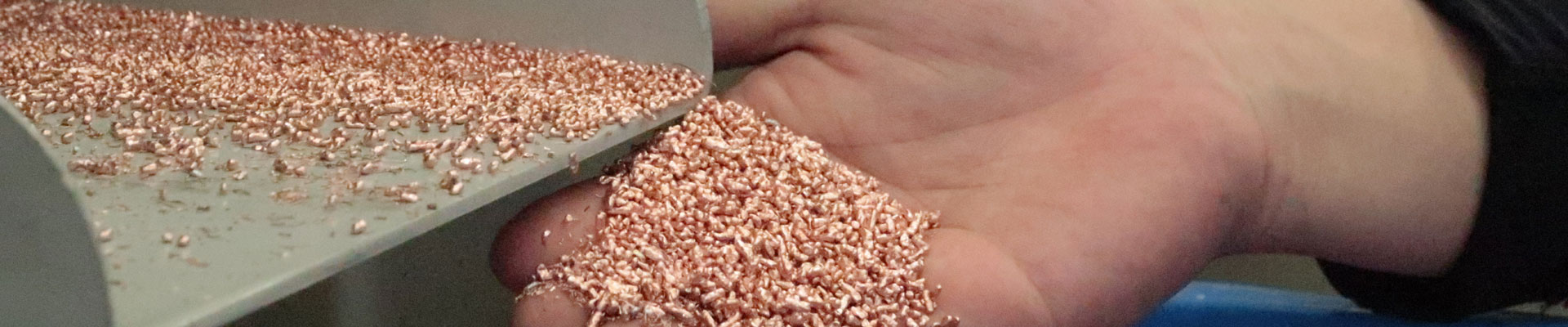
industrial waste battery recycling machine price
With the rapid development of electric vehicles, renewable energy storage systems, portable electronic devices, and industrial equipment, the global demand for batteries is increasing significantly. At the same time, the number of waste batteries generated every year is also rising rapidly.
Waste batteries contain valuable metals such as lithium, cobalt, nickel, manganese, copper, and aluminum. If these batteries are discarded improperly, they may cause environmental pollution due to toxic substances and heavy metals. However, through professional recycling technology, waste batteries can be transformed into valuable secondary resources.
Therefore, the industrial waste battery recycling industry has become one of the most promising environmental protection and resource recovery industries worldwide.
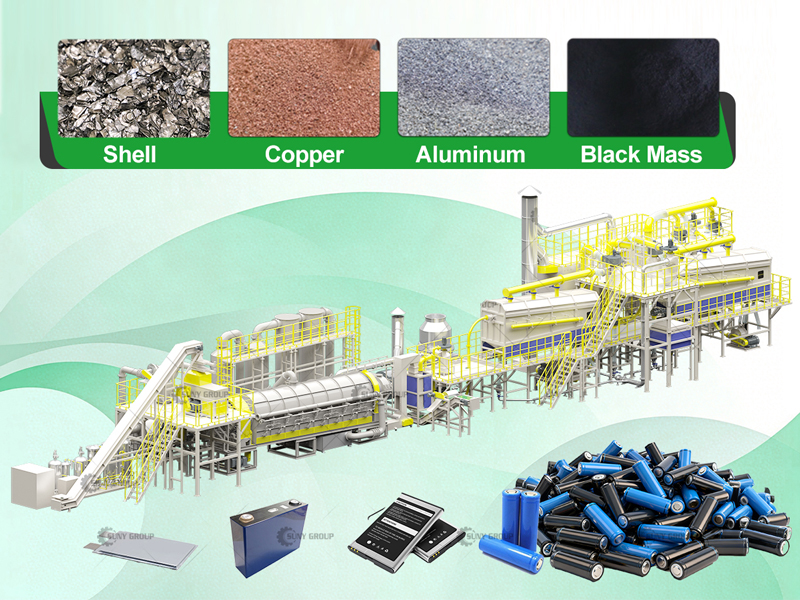
industrial waste battery recycling machine
1. Why Waste Battery Recycling Is a Future Trend
1.1 Rapid Growth of Electric Vehicle Batteries
The popularity of electric vehicles (EVs) has accelerated the demand for lithium batteries. After several years of use, electric vehicle batteries gradually lose capacity and enter the retirement stage.
The retired batteries cannot continue to serve vehicles efficiently but still contain large amounts of recyclable materials, creating a huge recycling market.
Main sources include:
- Electric vehicle lithium batteries
- Hybrid vehicle batteries
- Energy storage batteries
- Mobile phone batteries
- Laptop batteries
- Industrial power batteries
- Solar energy storage batteries
1.2 Shortage of Battery Raw Materials
Battery production requires large amounts of metal resources, including:
- Lithium
- Cobalt
- Nickel
- Manganese
- Copper
- Aluminum
Mining these resources requires high costs and may cause environmental damage.
Battery recycling can:
- Reduce dependence on mineral mining
- Recover valuable metals
- Lower battery production costs
- Improve resource utilization efficiency
1.3 Strong Government Environmental Regulations
Many countries are introducing stricter regulations for battery disposal.
The recycling industry is encouraged because it can:
- Reduce hazardous waste
- Prevent soil and water pollution
- Support circular economy development
- Promote green manufacturing
1.4 High Economic Value of Waste Batteries
Waste batteries are not simply waste materials. They are an important source of secondary raw materials.
For example:
- Lithium batteries contain valuable lithium compounds
- Nickel batteries contain nickel resources
- Cobalt-containing batteries have high recycling value
- Copper and aluminum components can be reused
The higher the battery recycling rate, the greater the economic return.
2. What Recycling Value Do Waste Batteries Have?
Waste batteries mainly have the following recycling values.
2.1 Metal Resource Recovery Value
The main recoverable materials include:
| Material | Application After Recycling |
|---|---|
| Lithium | New battery materials |
| Cobalt | Battery cathode materials |
| Nickel | Stainless steel and batteries |
| Copper | Electrical products |
| Aluminum | Industrial materials |
| Graphite | Battery anode materials |
2.2 Environmental Protection Value
Proper recycling can avoid:
- Heavy metal pollution
- Electrolyte leakage
- Soil contamination
- Water pollution
- Fire risks caused by improper storage
2.3 Circular Economy Value
Battery recycling creates a complete industrial cycle:
Battery production → Battery use → Waste battery collection → Recycling → Raw materials → New battery production
This reduces resource waste and improves sustainability.
3. Industrial Waste Battery Recycling Machine Introduction
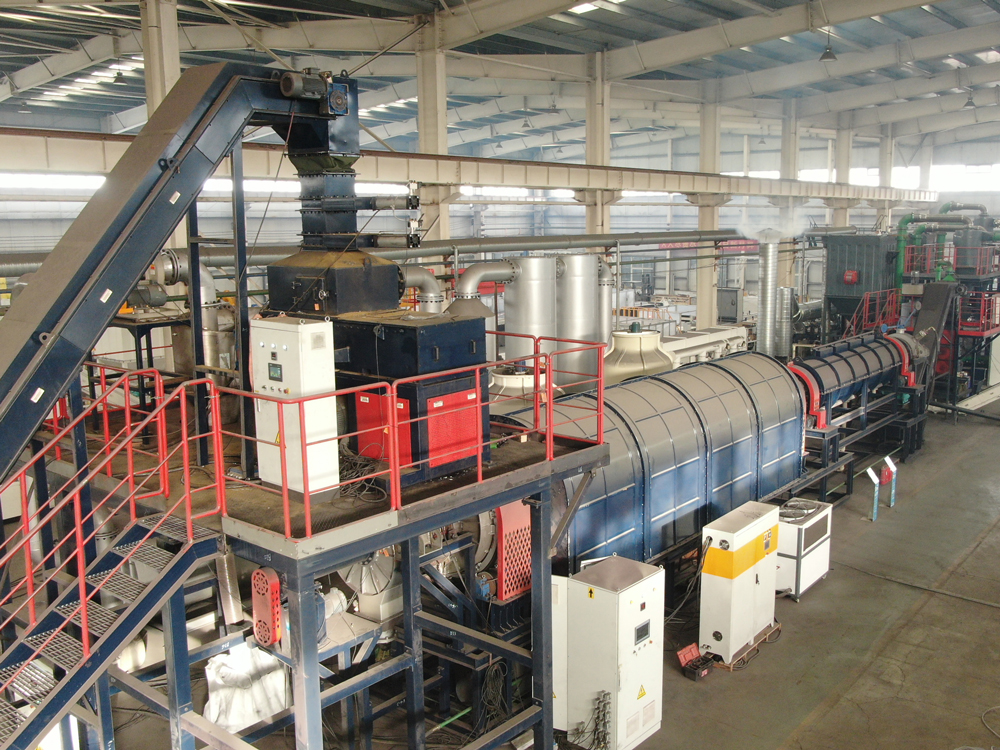
An industrial waste battery recycling machine is professional equipment designed to process large quantities of waste batteries and separate valuable materials.
A complete recycling production line usually includes several machines.
3.1 Waste Battery Crushing Machine
Function:
The crusher breaks waste batteries into smaller pieces to improve separation efficiency.
Processing materials:
- Lithium-ion batteries
- Cylindrical batteries
- Battery packs
- Electronic waste batteries
Features:
- High crushing efficiency
- Stable operation
- Large processing capacity
- Automatic feeding system
3.2 Battery Shredding Machine
Function:
The shredder further breaks battery materials into smaller particles.
Advantages:
- Improves material separation
- Reduces manual processing
- Handles large-volume waste batteries
3.3 Magnetic Separator
Function:
Separates ferrous metals from battery materials.
Recoverable materials:
- Iron
- Steel components
3.4 Air Separator
Function:
Uses airflow technology to separate lightweight materials.
Mainly separates:
- Plastic
- Aluminum foil
- Powder materials
3.5 Vibrating Screen
Function:
Separates materials according to particle size.
Benefits:
- Improves purity
- Increases recycling efficiency
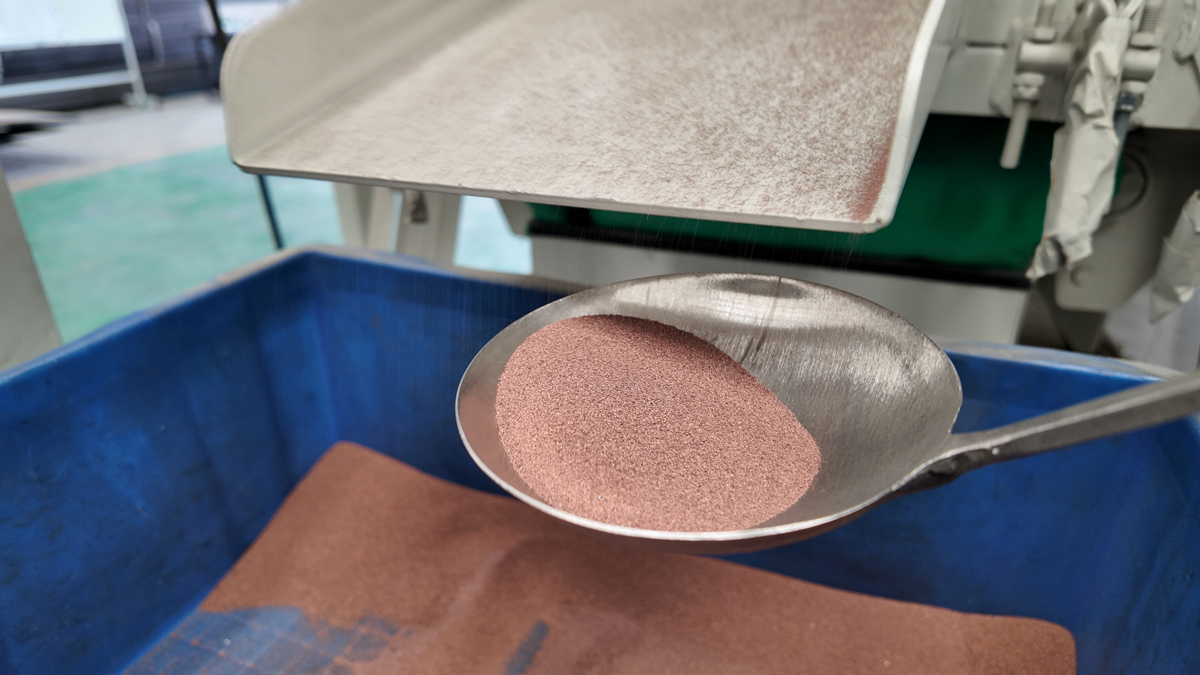
3.6 Powder Collection System
Function:
Collects valuable battery powder and prevents dust pollution.
Advantages:
- Environmentally friendly
- Reduces material loss
- Improves workplace safety
4. Common Waste Battery Recycling Methods
Industrial battery recycling mainly uses the following methods.
4.1 Mechanical Recycling Method
Process:
- Battery collection
- Discharging treatment
- Crushing
- Shredding
- Magnetic separation
- Screening
- Powder collection
Advantages:
- Simple operation
- Lower investment cost
- Suitable for industrial production
Disadvantages:
- Requires further purification for some materials
4.2 Hydrometallurgical Recycling Method
This method uses chemical solutions to extract valuable metals.
Process:
- Crushing batteries
- Chemical leaching
- Metal separation
- Material recovery
Advantages:
- High recovery rate
- High metal purity
Disadvantages:
- Higher operating requirements
- Chemical treatment needed
4.3 Pyrometallurgical Recycling Method
Uses high-temperature processing to recover metals.
Advantages:
- Suitable for large-scale production
- Strong processing ability
Disadvantages:
- Higher energy consumption
- Higher equipment investment
5. Industrial Waste Battery Recycling Machine Price
The price of industrial battery recycling machines varies greatly depending on equipment configuration, capacity, and technology.
Estimated Price Range:
| Equipment Type | Price Range |
|---|---|
| Small battery recycling machine | USD 10,000–50,000 |
| Medium recycling production line | USD 50,000–200,000 |
| Large industrial recycling plant | USD 200,000–1,000,000+ |
(Actual prices depend on battery type, capacity requirements, and customization.)
6. Factors Affecting Waste Battery Recycling Machine Price
6.1 Processing Capacity
Capacity is one of the biggest price factors.
Example:
- 100 kg/hour line → lower investment
- 500 kg/hour line → medium investment
- 1 ton/hour+ line → higher investment
Higher output requires:
- Larger motors
- Stronger crushers
- More separation equipment
- Larger dust collection systems
6.2 Battery Type
Different batteries require different technologies.
Examples:
Lithium-ion battery recycling:
Requires:
- Explosion-proof design
- Discharging system
- Dust control system
Lead-acid battery recycling:
Requires:
- Acid-resistant equipment
- Lead separation system
6.3 Automation Level
Automation affects equipment cost.
Low automation:
- Manual feeding
- Manual sorting
High automation:
- Automatic feeding
- Intelligent control system
- Automatic separation
- Remote monitoring
Higher automation increases initial investment but reduces labor costs.
6.4 Equipment Configuration
A complete recycling line may include:
- Crusher
- Shredder
- Conveyor
- Magnetic separator
- Air separator
- Screening machine
- Dust collector
- Control cabinet
More equipment means higher prices.
6.5 Manufacturer Technology and Service
Equipment prices are also affected by:
- Manufacturing experience
- Equipment quality
- After-sales service
- Installation support
- Spare parts availability
7. How to Choose a Suitable Waste Battery Recycling Machine
Before purchasing equipment, consider the following points:
Step 1: Identify Battery Type
Confirm whether you process:
- Lithium batteries
- Lead-acid batteries
- Nickel batteries
- Mixed batteries
Step 2: Determine Processing Capacity
Estimate:
- Daily battery volume
- Monthly recycling amount
- Future expansion requirements
Step 3: Select Recycling Technology
Choose according to:
- Required recovery rate
- Investment budget
- Environmental requirements
Step 4: Compare Equipment Suppliers
Evaluate:
- Machine quality
- Production capacity
- Energy consumption
- Recycling efficiency
- Technical support
- Customer cases
8. Future Development Prospects of Waste Battery Recycling Industry
The waste battery recycling industry will continue growing because:
- Electric vehicle ownership continues increasing
- Battery raw materials are becoming more valuable
- Environmental regulations are becoming stricter
- Circular economy development is accelerating
- Recycling technology is improving continuously
In the future, battery recycling will become an essential part of the global energy industry chain
Waste battery recycling is not only an environmental protection activity but also a valuable resource recovery industry. With the rapid growth of lithium batteries, the demand for industrial battery recycling machines will continue increasing.
Investing in a professional industrial waste battery recycling machine can help companies recover valuable metals, reduce environmental pollution, and participate in the rapidly expanding green economy.
The final equipment price depends on factors such as battery type, processing capacity, automation level, recycling technology, and production line configuration. Companies should select recycling solutions according to their actual production requirements and long-term development plans.