
Heavy Duty PCB Electrical Components Dismantling Machine
With the rapid development of electronic products, the amount of waste printed circuit boards (PCBs) is increasing worldwide. Used computers, mobile phones, industrial equipment, and electrical appliances contain a large number of valuable PCB boards. However, before recycling PCBs, the electrical components on PCB boards need to be removed to improve recovery efficiency and separate valuable materials. A Heavy Duty PCB Electrical Components Dismantling Machine provides an efficient, automatic, and environmentally friendly solution for large-scale PCB component removal and recycling.
Why Do PCB Components Need to Be Removed?
PCB boards contain valuable metals and reusable materials, including copper, gold, silver, palladium, and electronic components. Removing electrical components before further processing has several important advantages:
- Improve Metal Recovery Rate
PCB components contain different metals and electronic materials. Separating components from the PCB substrate helps improve the purity of recovered materials and increases recycling value. - Reduce Processing Difficulty
Traditional PCB recycling often requires crushing and separation directly, which may mix components, fiberglass, and metals together. Component dismantling makes subsequent crushing, sorting, and refining processes more efficient. - Protect Recycling Equipment
Large electronic components, capacitors, connectors, and other parts may damage shredders and crushers. Removing components first can extend the service life of downstream recycling machines. - Increase Economic Benefits
Some PCB components contain precious metals and rare materials. Separate collection allows recyclers to obtain higher-value products instead of treating all PCB materials as waste.
How Are PCB Electrical Components Removed?
There are several methods for PCB component dismantling:
1. Manual Dismantling
Workers use tools to remove components from PCB boards manually. This method has low investment costs but requires a large amount of labor and has low efficiency.
2. Heating Dismantling Method
PCB boards are heated to melt solder, allowing components to fall off. Although effective, traditional heating methods may consume high energy and generate harmful fumes.
3. Mechanical Dismantling Method
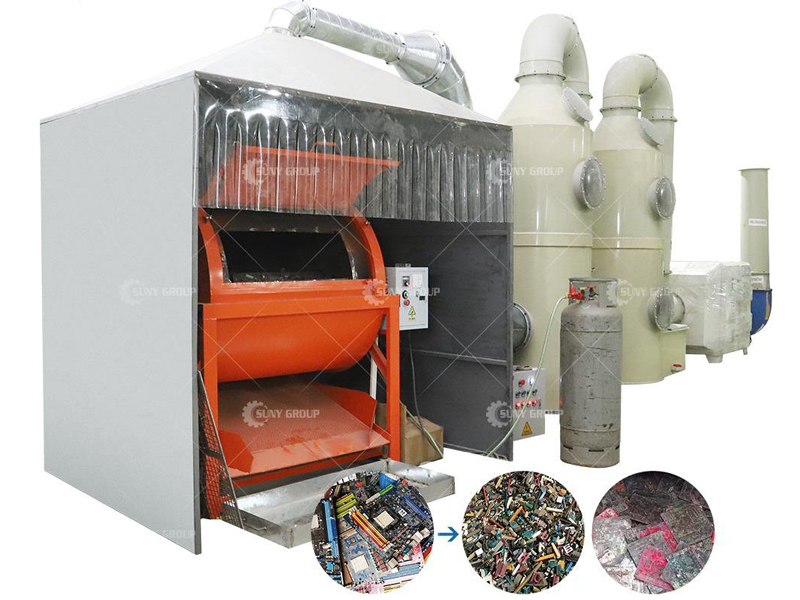
The Heavy Duty PCB Electrical Components Dismantling Machine uses mechanical force, vibration, and controlled impact technology to remove components automatically. It is currently one of the most efficient solutions for industrial PCB recycling plants.
Heavy Duty PCB Electrical Components Dismantling Machine Introduction
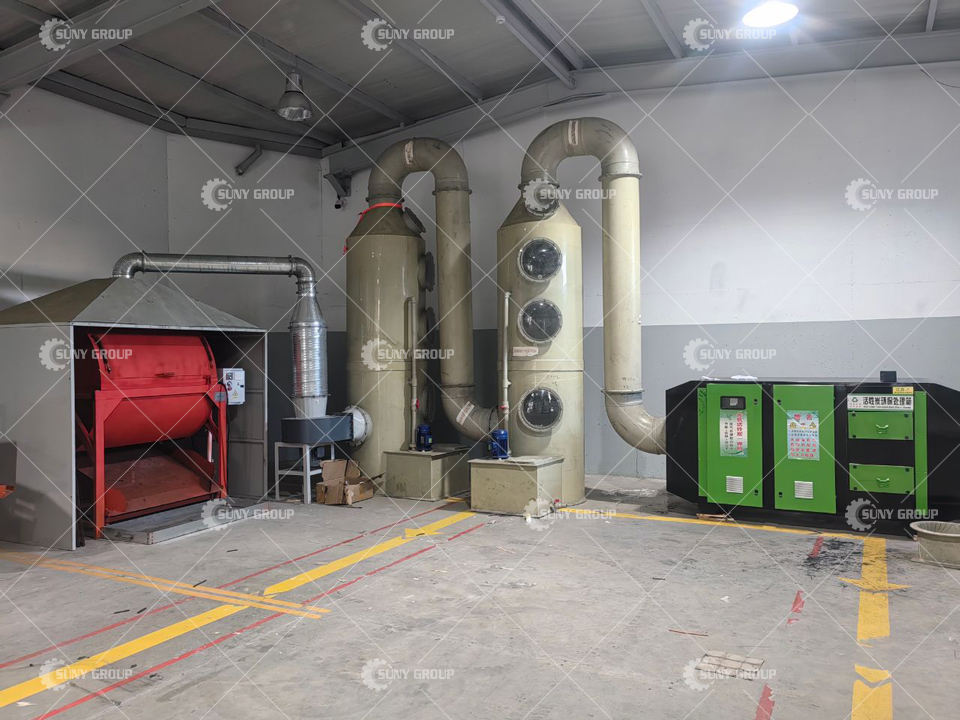
The heavy-duty PCB dismantling machine is specially designed for large-scale PCB recycling operations. It uses a strong rotating system and optimized mechanical structure to separate electronic components from PCB boards.
Main features include:
- High Processing Capacity: Suitable for continuous industrial operation.
- Automatic Component Separation: Reduces manual labor requirements.
- Strong Structure Design: Handles various types of waste PCB boards.
- Low Energy Consumption: Optimized motor system improves efficiency.
- Easy Maintenance: Wear-resistant parts ensure long service life.
The machine is commonly used in PCB recycling plants, electronic waste recycling facilities, and metal recovery industries.
PCB Dismantling Machine Working Process
The working process usually includes the following steps:
- Feeding
Waste PCB boards are placed into the feeding system. - Mechanical Separation
The machine applies vibration, friction, and impact force to separate electrical components from PCB boards. - Material Collection
Removed components and PCB substrates are collected separately. - Further Recycling
The separated materials can enter crushing, grinding, and sorting systems for further metal recovery.
PCB Component Removal Efficiency
Compared with manual dismantling, a heavy-duty PCB dismantling machine offers much higher efficiency.
Typical advantages include:
- Continuous automatic operation
- Higher processing capacity
- Reduced labor costs
- More stable separation performance
- Suitable for large quantities of waste PCB boards
Depending on machine models and PCB types, industrial equipment can process hundreds of kilograms of PCB materials per hour, making it suitable for commercial recycling projects.
Materials After PCB Component Removal
After dismantling, several valuable materials can be recovered:
1. Electronic Components
Removed components may contain:
- Gold-plated pins
- Integrated circuits
- Capacitors
- Resistors
- Connectors
These materials can be further processed for precious metal recovery.
2. PCB Substrate Materials
The remaining PCB boards mainly contain:
- Copper
- Fiberglass
- Resin materials
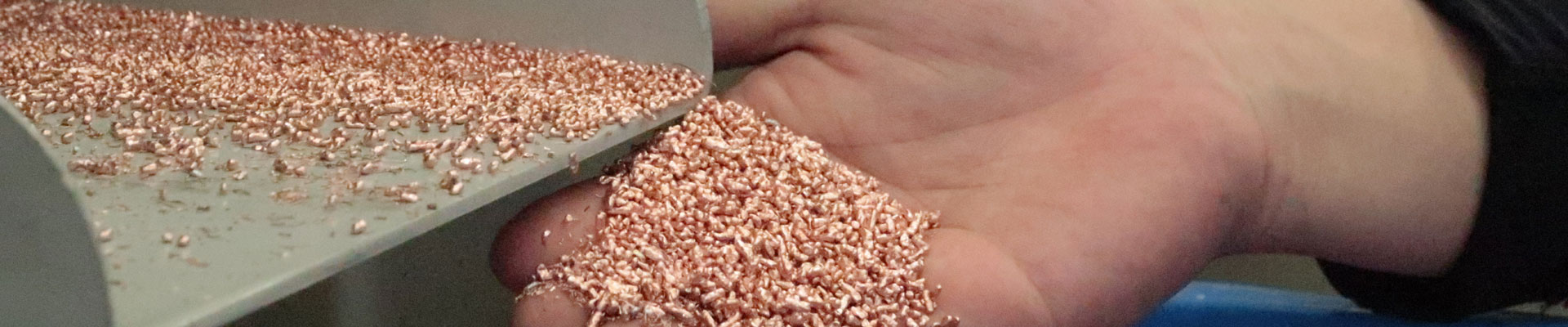
Copper can be recovered through crushing and separation systems and reused in cable manufacturing, electronics production, and metal industries.
3. Precious Metals
Advanced recycling processes can recover:
- Gold
- Silver
- Palladium
- Other rare metals
These materials have high economic value and are widely used in electronics manufacturing.
The Heavy Duty PCB Electrical Components Dismantling Machine is an important piece of equipment for modern electronic waste recycling plants. By efficiently removing PCB components before further processing, it improves material purity, increases recycling profits, protects equipment, and reduces environmental impact. With the continuous growth of electronic waste worldwide, automated PCB dismantling technology will play a key role in building sustainable and profitable recycling systems.