
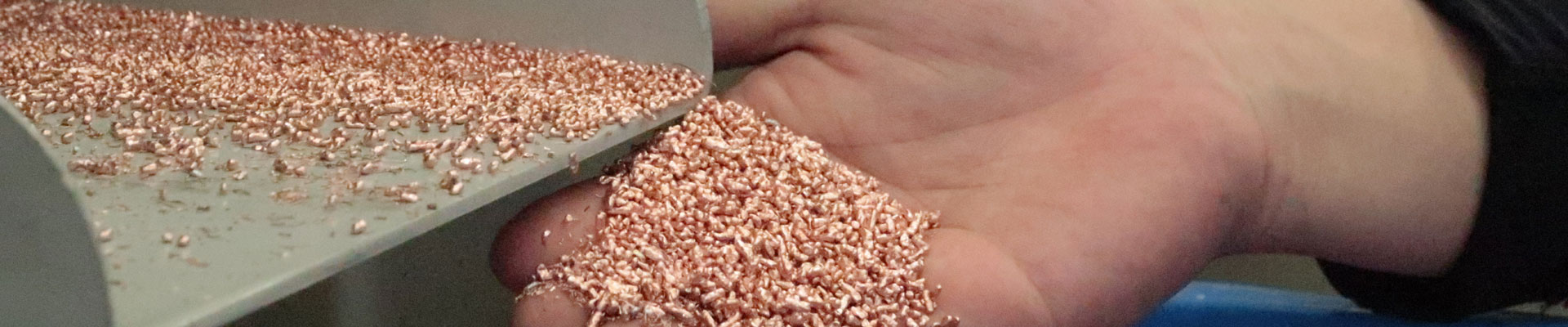
Granulator for cu. Scrap wire
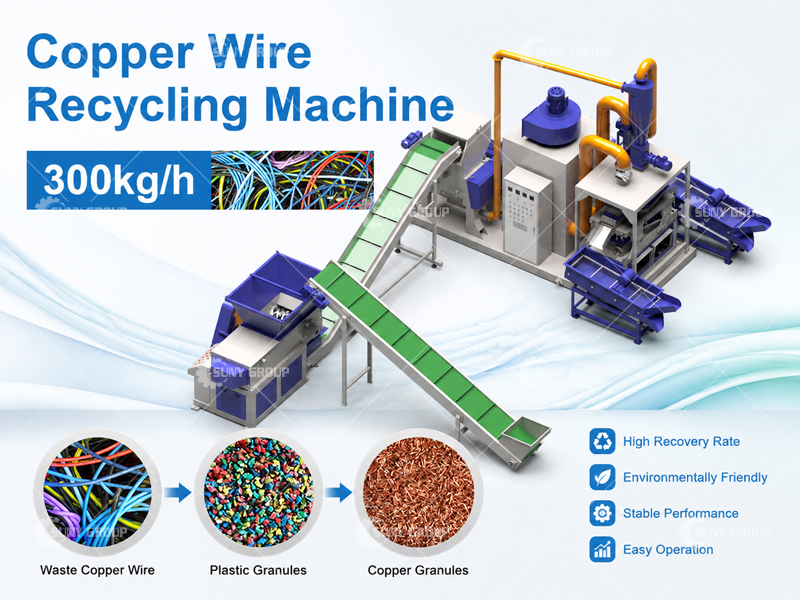
Granulator for cu. Scrap wire is an advanced recycling machine designed to process waste cables and separate copper from insulation materials such as PVC, PE, or rubber. With the rapid growth of electronic waste and industrial scrap, cu. Scrap wire has become an important secondary resource for copper recovery. Using a granulator system not only improves recycling efficiency but also supports environmental protection and resource sustainability.
1. Types and Sources of cu. Scrap wire
cu. Scrap wire comes from multiple industries and waste streams. The main types include:
- Household electrical wires
Wires used in appliances, lighting systems, and residential power distribution. - Communication cables
Internet cables, telephone lines, and data transmission wiring systems. - Automotive wiring harnesses
Electrical wiring from cars, trucks, and electric vehicles. - Industrial cables
Heavy-duty cables used in factories, construction sites, and machinery equipment. - E-waste cables
Disassembled wires from computers, televisions, and other electronic devices.
These sources contain high-value copper, making cu. Scrap wire an essential raw material for recycling industries.
2. What is a Granulator for cu. Scrap wire?
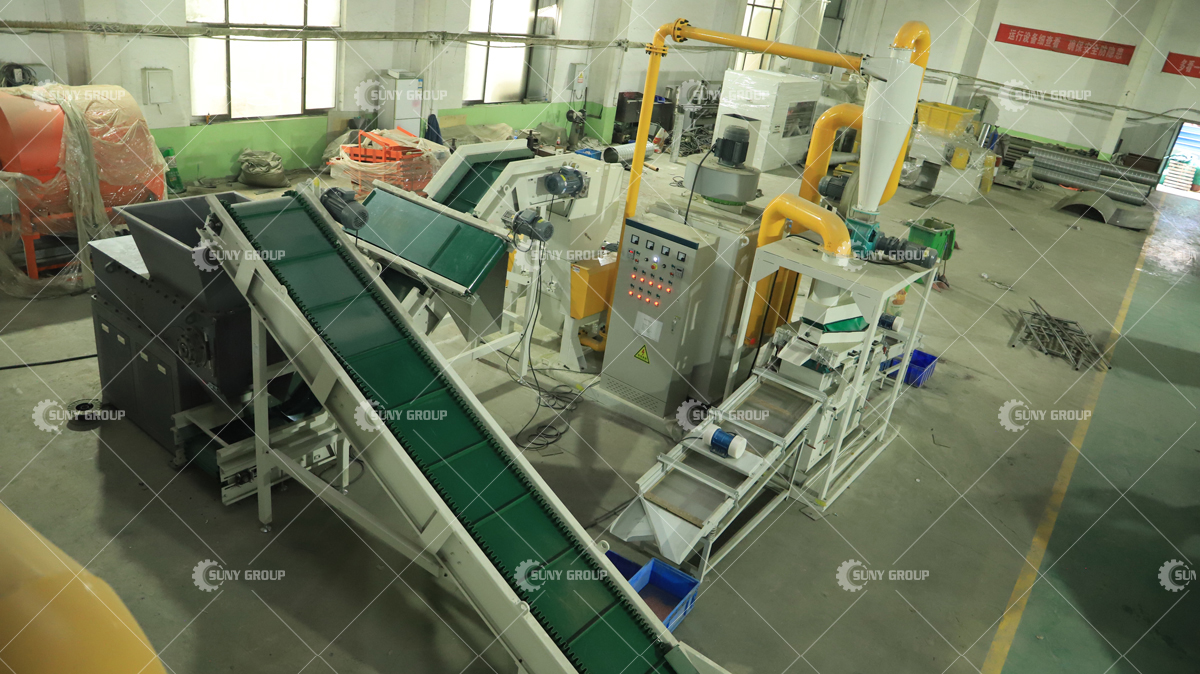
A granulator for cu. Scrap wire is a mechanical separation system that crushes waste cables into small particles and separates copper from plastic insulation through physical processes.
The machine usually includes:
- Feeding system (manual or conveyor feeding)
- Crushing / shredding unit
- Air separation system
- Vibrating screen
- Dust collection system
It is widely used in copper recycling plants, e-waste processing factories, and metal recovery facilities.
3. Working Principle of cu. Scrap wire Granulator
The working process of a granulator for cu. Scrap wire is efficient and environmentally friendly:
- Feeding Process
cu. Scrap wire is fed into the machine through a conveyor or manual input. - Crushing Stage
The wires are cut and shredded into small copper-plastic mixed granules. - Separation Process
Based on density differences, copper particles are separated from plastic using airflow and vibration. - Dust Collection System
Fine dust generated during processing is collected and filtered to maintain a clean working environment. - Final Output
The system produces:- High-purity copper granules (up to 98–99%)
- Clean plastic particles for reuse
This dry separation method avoids water usage and chemical pollution.
4. Advantages of cu. Scrap wire Granulator
- High copper recovery rate (98–99%)
- No water or chemical pollution
- Fully automatic PLC control system
- Energy-saving and stable operation
- Suitable for various wire types and diameters
- Compact structure and easy maintenance
5. Applications of Recycled Copper and Plastic Materials
After processing cu. Scrap wire, the recovered materials have wide industrial applications:
Copper Granules Applications:
- Electrical wire and cable production
- Electronics manufacturing
- Construction materials (pipes and fittings)
- Automotive and machinery components
Plastic Material Applications:
- Plastic injection molding products
- Cable insulation manufacturing
- Packaging materials
- Industrial plastic goods
Granulator for cu. Scrap wire plays a vital role in modern recycling systems by efficiently separating copper and plastic materials. With high recovery efficiency and environmentally friendly operation, it transforms waste into valuable resources. As global demand for copper continues to rise, recycling cu. Scrap wire using advanced granulation technology provides strong economic and environmental benefits.