

EV Lithium Battery Recycling Plant Cost
As electric vehicles (EVs) continue to expand worldwide, the demand for efficient battery recycling solutions is growing rapidly. Many investors are now exploring the EV lithium battery recycling plant cost, expected returns, and the factors that influence profitability. Understanding the types of EV batteries, their recycling value, and plant construction requirements is essential before entering this industry.
What Type of Lithium Batteries Are Used in Electric Vehicles?
Most modern electric vehicles use lithium-ion batteries, including several common chemistries:
- Lithium Iron Phosphate (LFP)
- Nickel Manganese Cobalt (NMC)
- Nickel Cobalt Aluminum (NCA)
- Lithium Manganese Oxide (LMO)
Among these, NMC and NCA batteries contain significant amounts of valuable metals such as nickel, cobalt, and lithium, making them highly attractive for recycling. As EV batteries typically reach end-of-life after 8–15 years of use, a massive supply of recyclable batteries is expected in the coming decade.
Why Is EV Battery Recycling Valuable?
Used EV batteries contain valuable materials that can be recovered and reintroduced into battery manufacturing.
Typical recoverable materials include:
- Lithium
- Cobalt
- Nickel
- Copper
- Aluminum
- Graphite
- Steel and plastics
Depending on battery chemistry, metal recovery value can account for a significant portion of recycling revenue. High-nickel batteries generally offer greater economic returns due to the higher market value of nickel and cobalt.
In addition to direct material sales, battery recycling helps manufacturers comply with environmental regulations and supports the circular economy, further increasing industry demand.
How to Build an EV Lithium Battery Recycling Plant
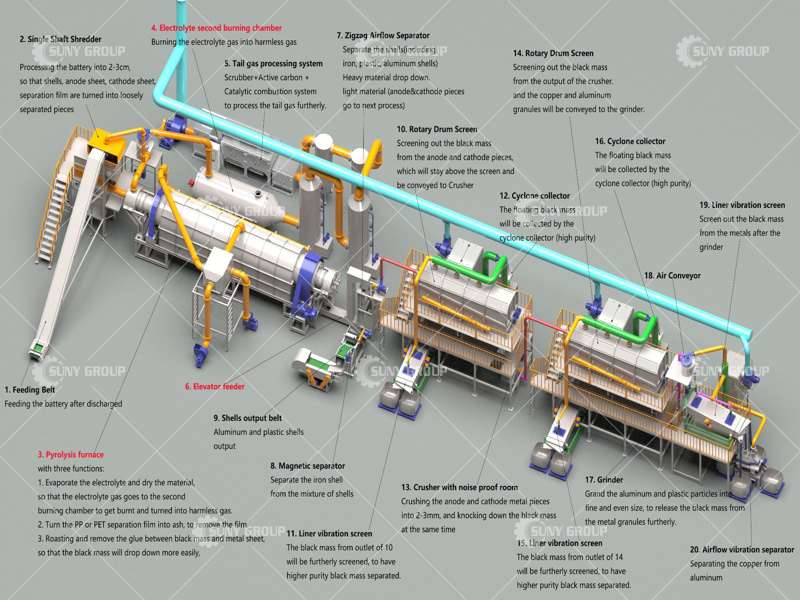
A complete EV battery recycling plant generally includes several processing stages:
1. Battery Discharging and Dismantling
Used batteries are safely discharged to eliminate electrical hazards. Battery packs are then dismantled into modules and cells.
2. Crushing and Material Separation
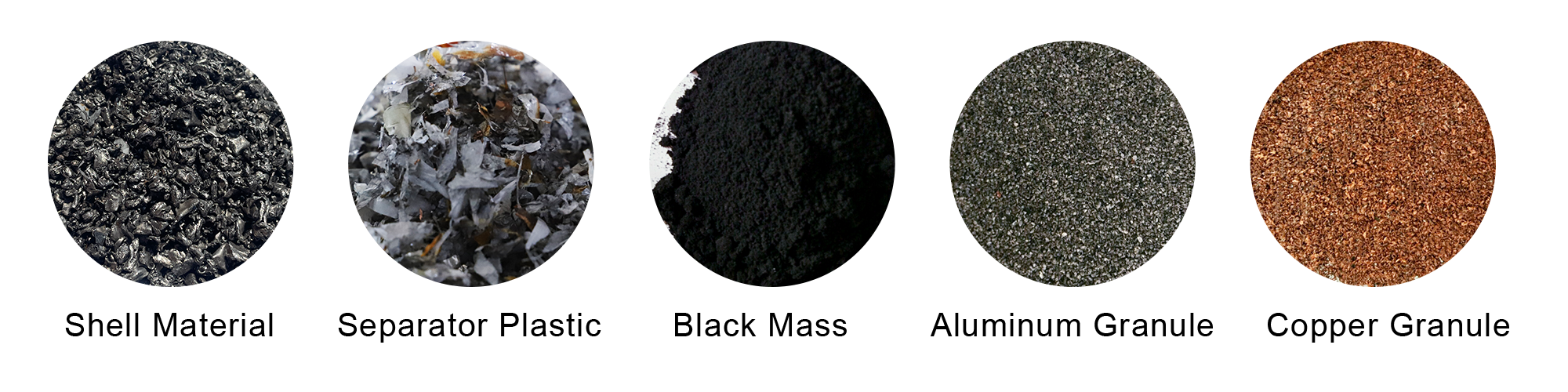
The batteries are shredded and crushed under controlled conditions. Advanced separation systems recover:
- Copper
- Aluminum
- Plastic
- Steel
3. Black Mass Production
The crushing process generates black mass, a valuable powder containing lithium, cobalt, nickel, manganese, and graphite.
4. Hydrometallurgical or Pyrometallurgical Recovery
The black mass undergoes chemical or thermal processing to extract high-purity battery-grade metals for reuse in new battery production.
EV Lithium Battery Recycling Plant Cost
The total investment depends on processing capacity, automation level, recovery technology, and environmental requirements.
Typical investment ranges include:
| Plant Capacity | Estimated Cost |
|---|---|
| 500–1,000 tons/year | USD 300,000–800,000 |
| 2,000–5,000 tons/year | USD 1–5 million |
| 10,000+ tons/year | USD 10–50 million+ |
A standard mechanical pretreatment line that produces black mass generally requires a lower investment. Plants incorporating full hydrometallurgical refining systems require substantially higher capital expenditure but offer greater profit potential through direct metal recovery.
Factors Affecting EV Lithium Battery Recycling Plant Cost
Several factors significantly influence project costs:
Processing Capacity
Higher throughput requires larger shredders, separation systems, and environmental protection equipment, increasing investment.
Battery Chemistry
LFP, NMC, and NCA batteries require different processing approaches. Higher-value batteries may justify more advanced recovery technologies.
Automation Level
Fully automated feeding, dismantling, and sorting systems improve efficiency but increase initial equipment costs.
Environmental Compliance
Dust collection, wastewater treatment, fire suppression, and emission control systems are essential for regulatory approval and operational safety.
Metal Recovery Technology
Mechanical recycling lines cost less, while hydrometallurgical and direct recycling technologies require greater investment but can achieve higher recovery rates and profitability.
The global EV industry is creating enormous opportunities for battery recycling businesses. Understanding the EV lithium battery recycling plant cost is crucial for making informed investment decisions. A well-designed recycling facility can recover valuable lithium, nickel, cobalt, copper, and other materials while supporting environmental sustainability. By selecting the right technology, capacity, and equipment supplier, investors can build a profitable EV battery recycling plant capable of meeting the rapidly growing demand for sustainable battery material recovery.