

EV Battery Recycling Plant Cost
The demand for EV battery recycling plant cost analysis is increasing rapidly as electric vehicles (EVs) become more popular worldwide. With millions of EV batteries reaching end-of-life in the coming years, recycling has become a highly profitable and strategic industry.
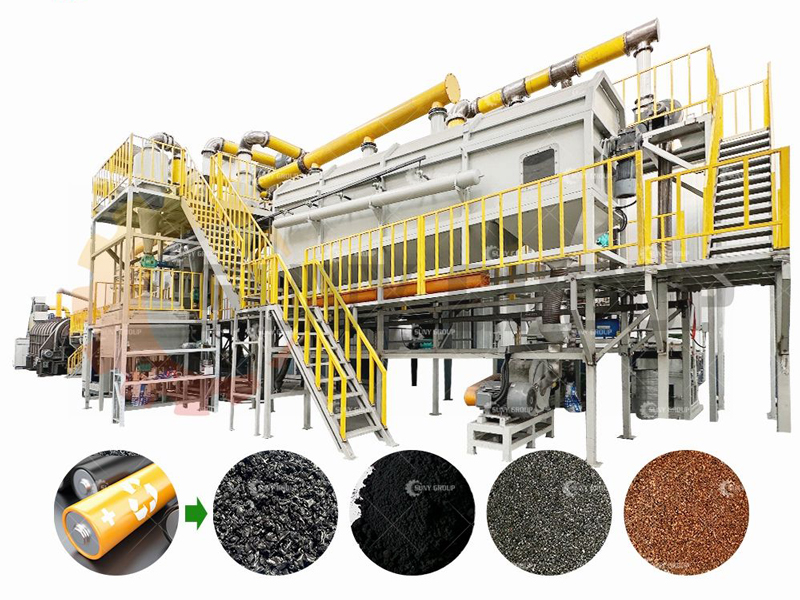
What Is an EV Battery?
An EV battery (electric vehicle battery) is a high-capacity rechargeable energy storage system used in electric cars, buses, and trucks. Most EV batteries are:
- Lithium-ion (Li-ion) batteries (most common type)
- Lithium iron phosphate (LFP) batteries
- Nickel manganese cobalt (NMC) batteries
- Nickel cobalt aluminum (NCA) batteries
These batteries store and deliver high energy density, making them essential for modern electric transportation.
Recycling Value of EV Batteries
EV batteries contain valuable and critical metals, which make recycling highly profitable.
Key recoverable materials:
- Lithium (Li)
- Cobalt (Co)
- Nickel (Ni)
- Manganese (Mn)
- Copper (Cu)
- Aluminum (Al)
Why recycling is important:
- High raw material cost recovery
- Reduces environmental pollution
- Supports circular economy in battery production
- Reduces dependence on mining
- Complies with global environmental regulations
A single ton of spent EV batteries can contain significant recoverable metal value, especially cobalt and nickel.
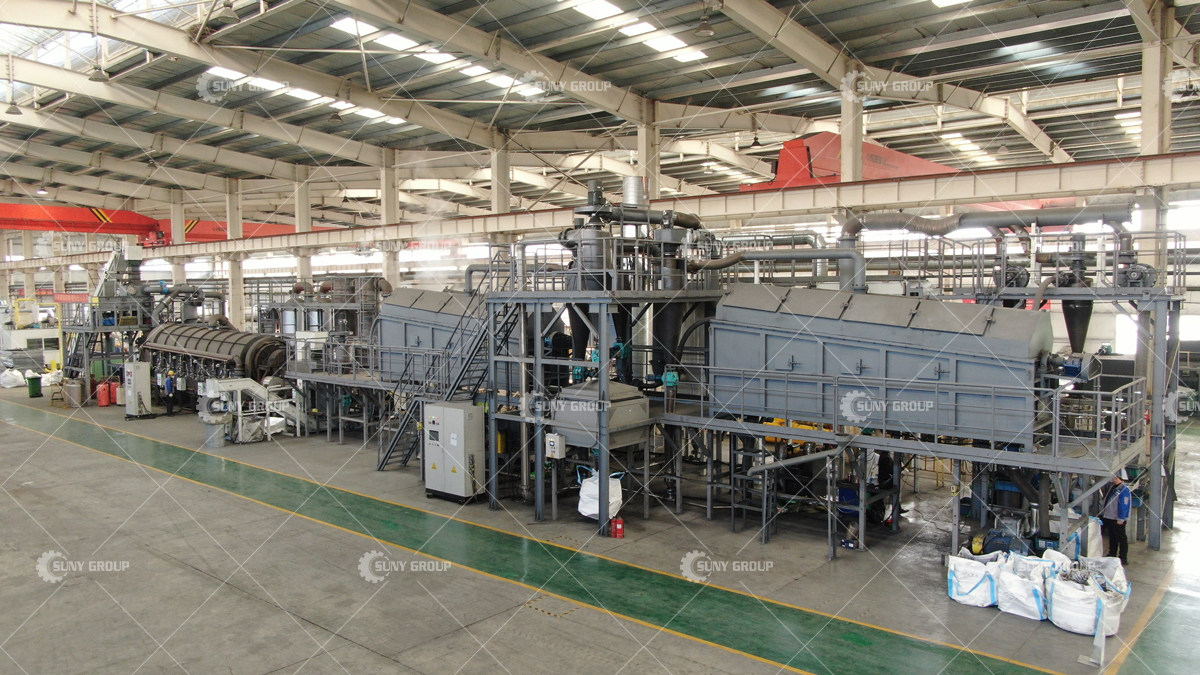
How to Build an EV Battery Recycling Plant
An EV battery recycling plant typically includes multiple processing stages:
1. Battery Discharging & Safety Treatment
- Fully discharge batteries to prevent fire risks
- Use protective and explosion-proof systems
2. Dismantling System
- Manual or automated disassembly
- Separation of battery modules and packs
3. Crushing & Shredding
- Industrial shredders break batteries into small pieces
- Controlled environment (inert gas protection)
4. Separation Process
- Magnetic separation (ferrous metals)
- Air classification (light materials)
- Density separation
5. Black Mass Extraction
- Collection of electrode powder (black mass)
- Contains lithium, nickel, cobalt, manganese
6. Further Refining (Optional)
- Hydrometallurgical or pyrometallurgical processing
- Extraction of pure metals
EV Battery Recycling Plant Cost
The EV battery recycling plant cost depends on scale, technology, and processing capacity.
Estimated investment ranges:
- Small pilot plant: $100,000 – $500,000
- Medium-scale plant: $500,000 – $3,000,000
- Large industrial plant: $3,000,000 – $10,000,000+
Factors Affecting EV Battery Recycling Plant Cost
Several key factors influence total investment:
1. Plant Capacity
Higher daily processing capacity significantly increases cost.
2. Technology Level
- Semi-automatic systems: lower cost
- Fully automated systems: higher efficiency but expensive
3. Recycling Process Type
- Physical separation only (cheaper)
- Hydrometallurgy (higher cost but higher recovery rate)
- Pyrometallurgy (energy-intensive and expensive)
4. Safety Systems
EV batteries require:
- Fire suppression systems
- Explosion-proof equipment
- Gas treatment systems
5. Environmental Compliance
Emission control systems and wastewater treatment add to total cost.
6. Equipment Quality and Supplier
High-quality shredders, separators, and refining systems increase initial investment but reduce long-term maintenance costs.
Profit Potential of EV Battery Recycling
EV battery recycling is considered a high-growth industry due to:
- Increasing EV adoption worldwide
- Rising demand for lithium and cobalt
- Government support for green energy projects
- Stable long-term raw material supply
Well-designed plants can achieve strong ROI within a few years.
Understanding EV battery recycling plant cost is essential for investors entering the green energy recycling industry. EV batteries, mainly lithium-ion types, contain valuable metals such as lithium, cobalt, and nickel, making them highly profitable to recycle.
With proper planning, technology selection, and safety systems, an EV battery recycling plant can become a sustainable and high-return investment in the global circular economy.