

Electric Vehicle (EV) Battery Recycling Plant
1. EV Battery Sources and Recycling Value
With the rapid growth of electric vehicles, the number of end-of-life EV batteries is increasing worldwide. These batteries mainly come from electric cars, buses, commercial vehicles, and battery replacement services. Common battery chemistries include Lithium Iron Phosphate (LFP), Nickel Manganese Cobalt (NMC), and Nickel Cobalt Aluminum (NCA).
EV batteries contain valuable materials, including lithium, nickel, cobalt, copper, aluminum, steel, and graphite. Recycling these materials helps reduce raw material consumption, minimize battery waste, and support a sustainable battery supply chain.
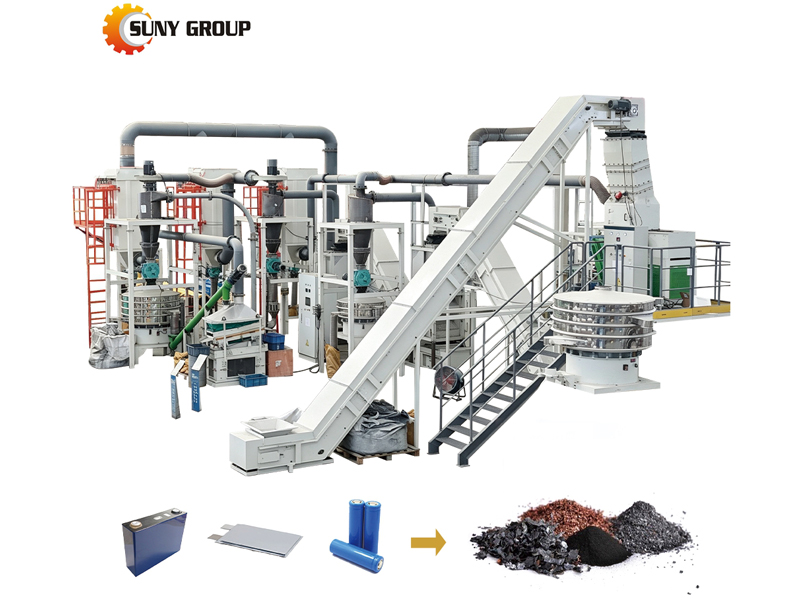
Electric Vehicle (EV) Battery Recycling Plant
2. Essential Equipment for an EV Battery Recycling Plant
A complete EV battery recycling plant requires several types of specialized equipment to process different battery components. The main machines include:
- Battery Discharging Equipment: Reduces residual electrical energy before dismantling.
- Battery Dismantling Machine: Separates battery packs, modules, and individual components.
- Shredding and Crushing Equipment: Breaks down battery materials into smaller particles.
- Magnetic Separator: Removes iron and other magnetic metals.
- Vibrating Screen and Air Separator: Separates materials according to particle size and physical properties.
- Black Mass Collection System: Collects valuable powder containing lithium, nickel, cobalt, and graphite.
3. EV Battery Recycling Process
The EV battery recycling process generally involves the following steps:
- Collection and Inspection: Used batteries are collected, identified, and classified by chemistry and condition.
- Discharging and Dismantling: Batteries are safely discharged when required and dismantled into smaller components.
- Crushing and Shredding: Battery materials are processed into smaller particles under controlled conditions.
- Physical Separation: Screening, magnetic separation, and other sorting technologies separate copper, aluminum, steel, and plastics.
- Black Mass Recovery: Fine powder is collected for further material recovery.
- Metal Refining: Hydrometallurgical or other suitable refining methods recover valuable metals from black mass.
The final products may include copper, aluminum, steel, plastics, graphite-rich materials, and black mass.
4. How to Set Up an EV Battery Recycling Plant
Setting up an EV battery recycling plant requires careful planning and suitable technology. Investors should consider the following factors:
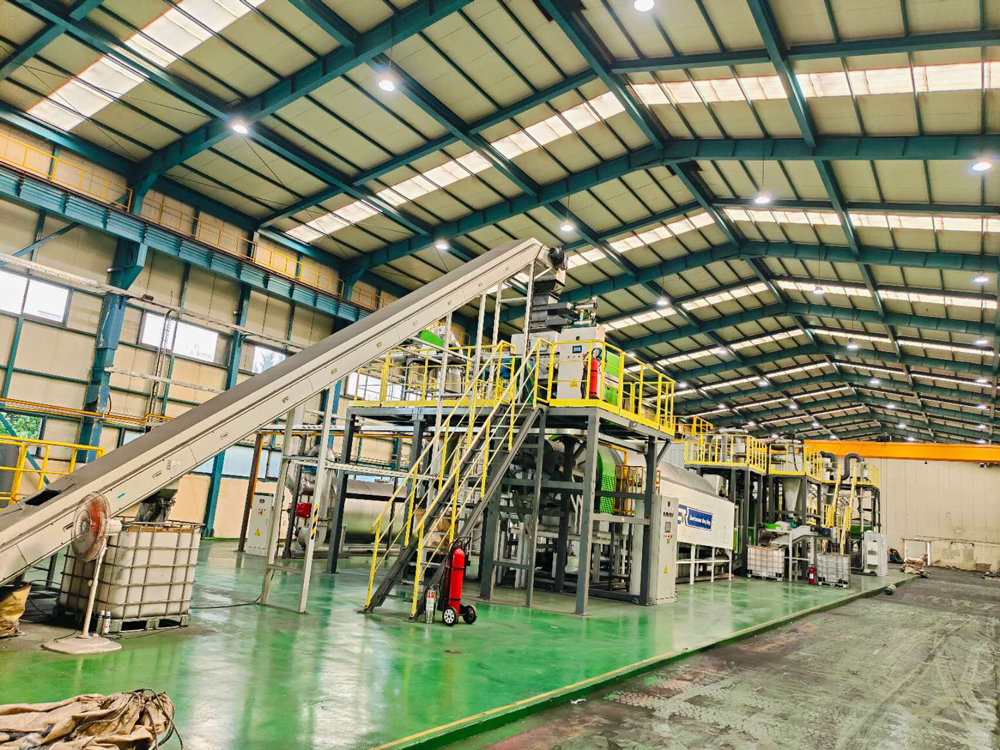
- Factory Layout: Provide sufficient space for battery storage, pretreatment, processing, and finished product collection.
- Production Capacity: Select equipment according to daily or annual battery processing requirements.
- Safety and Environmental Protection: Install fire prevention, temperature monitoring, dust collection, and wastewater treatment systems as required.
- Operating Costs: Evaluate electricity consumption, labor, maintenance, transportation, and material handling expenses.
- Profitability: Consider recovered material purity, metal recovery rates, raw material supply, and local market demand.
A properly designed EV battery recycling plant can transform end-of-life electric vehicle batteries into valuable secondary resources. With suitable equipment and an efficient recycling process, businesses can improve resource utilization, reduce environmental impacts, and develop sustainable battery recycling operations.