
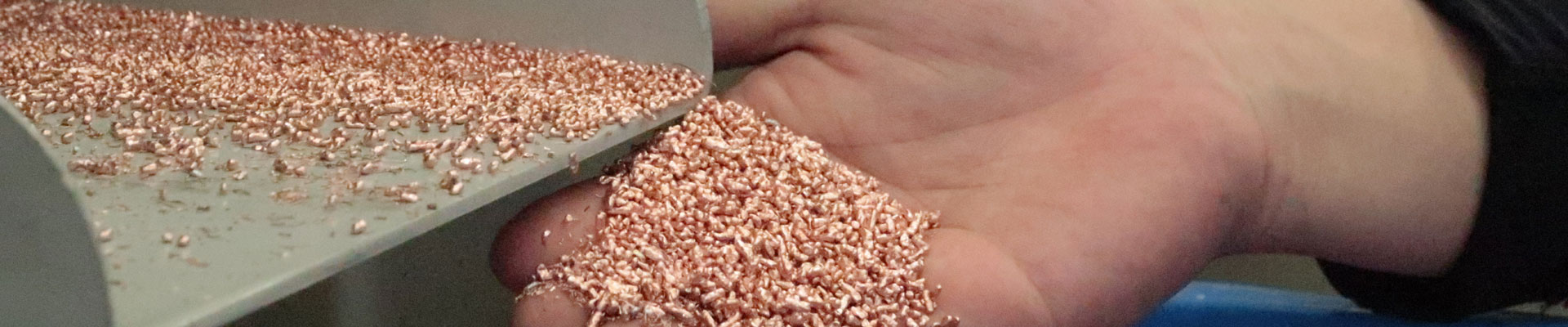
E Waste Recycling and Extraction Plant
With the rapid growth of electronic products, the amount of e waste (electronic waste) generated worldwide is increasing every year. Waste computers, mobile phones, circuit boards, electrical appliances, and other electronic devices contain large amounts of valuable metals. Building an e waste recycling and extraction plant can help companies recover precious metals, reduce environmental pollution, and create significant economic benefits.
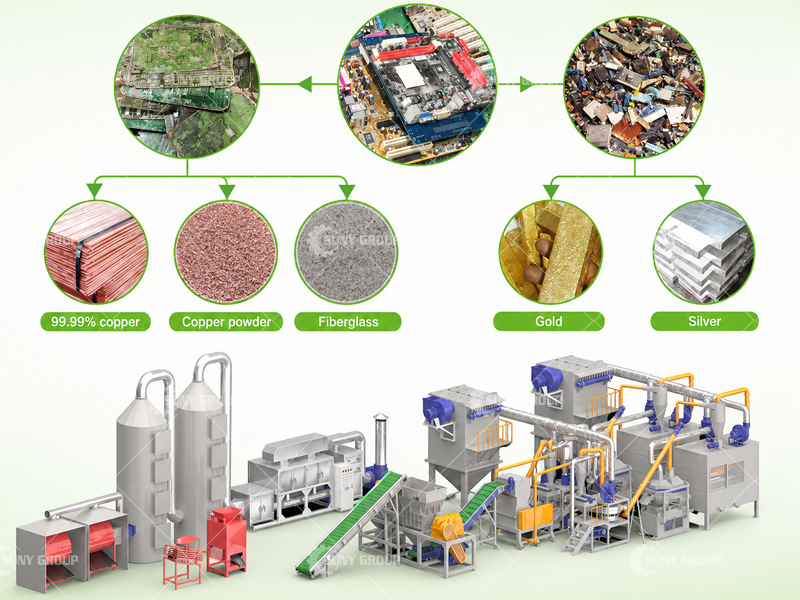
What Metals Can Be Extracted from E Waste?
Electronic waste contains various valuable metals, including both precious metals and base metals. Through advanced recycling and extraction technology, these materials can be separated and reused.
1. Precious Metals
Precious metals have high economic value and are the main reason for e waste recycling.
- Gold (Au):
Mainly found in PCB boards, CPU chips, connectors, and electronic contacts. Gold has excellent conductivity and corrosion resistance, making it widely used in electronic components. - Silver (Ag):
Commonly found in circuit boards, switches, solar panels, and electronic components. Silver has high electrical conductivity and recycling value. - Palladium (Pd):
Mainly exists in ceramic capacitors, circuit boards, and automotive electronic systems. - Platinum (Pt):
Found in some high-end electronic equipment and industrial components.
2. Base Metals
Besides precious metals, e waste also contains large quantities of industrial metals:
- Copper (Cu):
Comes from cables, PCB tracks, motors, and transformers. Copper is one of the most valuable recyclable metals in electronic waste. - Aluminum (Al):
Commonly found in computer cases, heat sinks, and electronic structures. - Iron and Steel:
Mainly from equipment frames, housings, and mechanical parts. - Nickel (Ni) and Zinc (Zn):
Found in batteries, metal coatings, and electronic components.
Recycling Value of E Waste
E waste has much higher recycling value compared with traditional waste because of its rich metal content.
The main economic benefits include:
- Recovery of Precious Metals
Small quantities of gold, silver, and palladium from electronic waste can generate high returns because these metals have strong market demand.
- Reuse of Copper and Aluminum
Recovered copper and aluminum can be directly supplied to metal processing industries for producing new cables, pipes, and metal products.
- Reduction of Raw Material Costs
Recycling metals requires less energy than mining new resources, helping manufacturers reduce production costs.
- Environmental Benefits
Proper e waste recycling prevents harmful substances such as lead, mercury, and chemical pollutants from entering the environment.
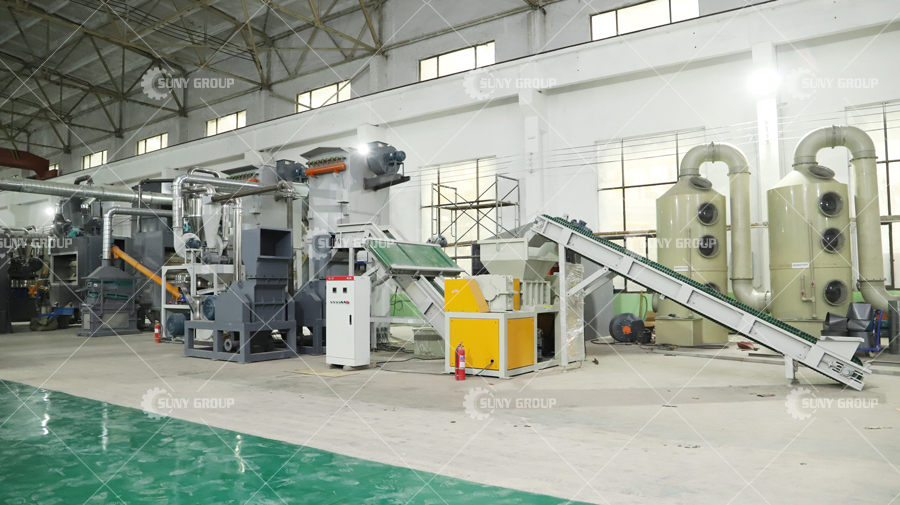
How to Build an E Waste Recycling and Extraction Plant?
Setting up an e waste recycling and extraction plant requires reasonable planning of equipment, processing capacity, and recycling technology.
1. Determine Raw Material Types and Capacity
Before building the plant, investors should analyze:
- Types of electronic waste available
- Daily processing quantity
- Target metals to recover
- Required production capacity
Different materials require different recycling processes.
2. Design the Recycling Process
A complete e waste recycling line usually includes:
Feeding System
The feeding system automatically delivers electronic waste into the processing equipment, improving efficiency and reducing labor requirements.
Primary Shredding
A heavy-duty shredder breaks large electronic products into smaller pieces, making metal separation easier.
Crushing and Grinding
The crushed materials are further processed to release metals from plastic and other materials.
Magnetic Separation
Magnetic separators remove ferrous metals such as iron and steel.
Air Separation and Screening
Air separators and vibrating screens separate lightweight plastics from heavier metal particles.
Metal Extraction System
Advanced extraction equipment can further recover valuable metals such as copper, gold, silver, and other precious metals.
Features of E Waste Recycling and Extraction Line
Modern e waste recycling plants offer several advantages:
1. High Metal Recovery Rate
Advanced separation technology improves the recovery efficiency of copper, aluminum, and precious metals.
2. Fully Automatic Operation
Automatic feeding, crushing, sorting, and collection systems reduce labor costs and improve production stability.
3. Environmentally Friendly Processing
The recycling line is equipped with dust collection and pollution control systems to reduce emissions and protect the working environment.
4. Flexible Processing Capability
The equipment can process various electronic wastes, including:
- Waste computers
- Mobile phones
- Circuit boards
- Electrical appliances
- Communication equipment
- Electronic components
5. High Economic Return
By recovering valuable metals and reusable materials, companies can obtain continuous profits from waste resources.
Advantages of Investing in an E Waste Recycling Plant
An e waste recycling and extraction plant provides long-term business opportunities because electronic waste production continues to increase globally.
Main advantages include:
- Turning waste into valuable resources
- Recovering high-value metals
- Reducing environmental pollution
- Supporting the circular economy
- Creating stable income from recycled materials
E waste recycling and extraction plant is an advanced solution for recovering valuable metals from electronic waste. Through shredding, crushing, sorting, and extraction processes, companies can efficiently recover copper, gold, silver, aluminum, and other metals. With increasing electronic waste generation and growing demand for recycled materials, investing in a professional e waste recycling line offers both environmental and economic benefits. Choosing the right recycling equipment manufacturer is essential to achieve high recovery rates, stable operation, and long-term profitability.