
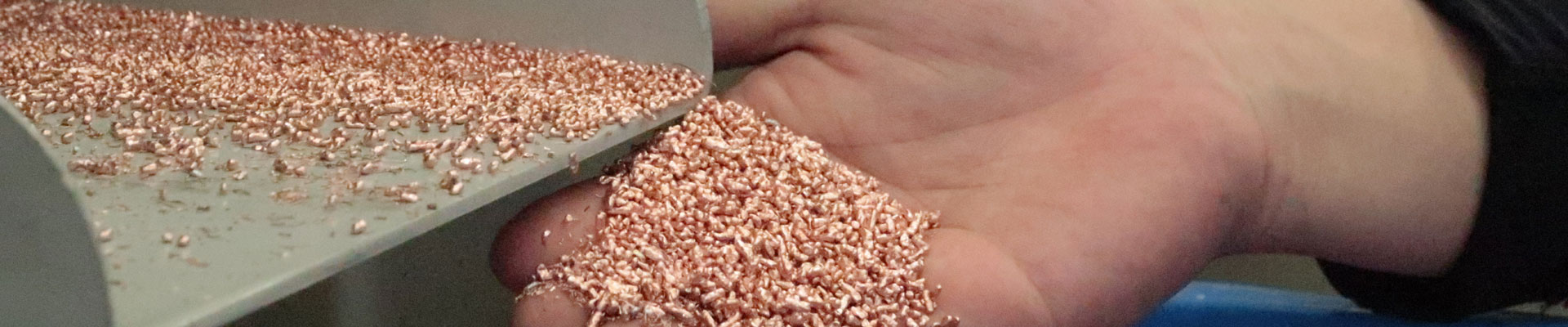
E-Waste Collection, Dismantling and Recycling Facility
With the rapid development of electronic products worldwide, the amount of electronic waste is increasing every year. Building an efficient E-Waste Collection, Dismantling and Recycling Facility has become an important solution for recovering valuable metals, reducing environmental pollution, and promoting the circular economy. Modern e-waste recycling plants can efficiently process discarded electronic devices and convert waste into reusable industrial materials.
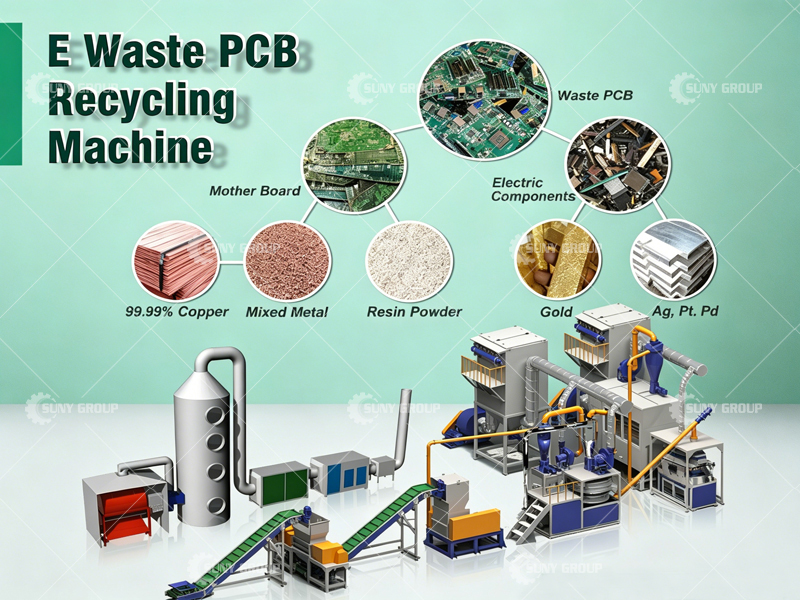
What Is E-Waste?
E-waste refers to discarded electronic and electrical equipment containing metals, plastics, circuit boards, and reusable components.
Common electronic waste materials include:
- Waste computers and laptops
- Mobile phones and tablets
- Television sets and monitors
- Printed circuit boards (PCB)
- Household appliances
- Power cables and chargers
- Printers and communication equipment
- Lithium batteries and electronic components
These materials contain valuable resources such as copper, aluminum, gold, silver, iron, and plastics.
Why Is E-Waste Collection Valuable?
1. Recover Precious Metals
Electronic waste contains high-value metals including:
- Copper
- Gold
- Silver
- Palladium
- Aluminum
These recycled metals can be reused in electronics manufacturing and industrial production.
2. Reduce Environmental Pollution
Improper disposal of e-waste may release toxic substances such as lead, mercury, and harmful chemicals into soil and water. Professional recycling helps protect the environment.
3. Save Natural Resources
Recovering reusable materials reduces mining activities and lowers production costs for manufacturers.
4. Create Profitable Recycling Business
The growing global e-waste market creates stable demand for recycling plants and recovered materials.
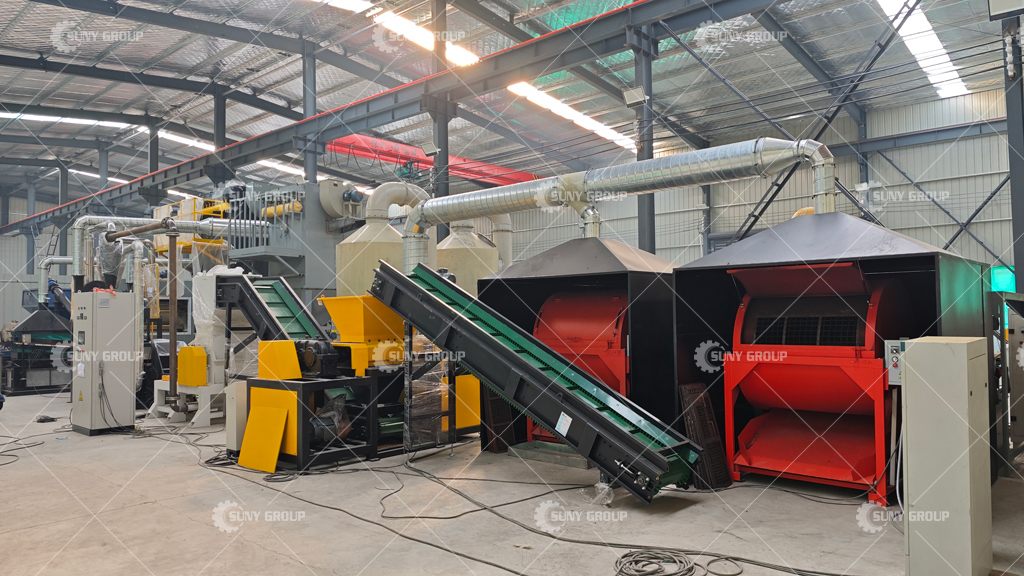
How Is E-Waste Dismantled?
The dismantling process usually combines manual sorting and automated recycling equipment.
Main Dismantling Steps
- Collection and transportation
- Manual sorting and hazardous material removal
- Crushing and shredding
- Magnetic separation
- Eddy current separation
- Airflow and gravity separation
- Metal refining and material collection
Hazardous components such as batteries and CRT glass are removed separately before mechanical processing.
Best Machines for E-Waste Recycling
A complete E-Waste Recycling Facility generally includes the following equipment:
1. Conveyor Feeding System
Automatically transports materials through the recycling line.
2. Double Shaft Shredder
Breaks large electronic waste into smaller pieces for easier processing.
3. Hammer Crusher
Further crushes materials and liberates metals from plastics.
4. Magnetic Separator
Separates ferrous metals such as iron and steel.
5. Eddy Current Separator
Recovers non-ferrous metals including aluminum and copper.
6. Air Separation System
Separates light plastics from heavy metals.
7. Electrostatic Separator
Improves metal purity by separating mixed conductive materials.
8. Dust Collection System
Controls dust pollution and improves environmental safety.
How Does the Recycling Line Work?
The recycling line operates continuously and automatically.
Standard Workflow
E-waste feeding
↓
Primary shredding
↓
Secondary crushing
↓
Magnetic separation
↓
Non-ferrous metal separation
↓
Airflow separation
↓
Electrostatic refining
↓
Final material collection
This process improves recovery efficiency and maximizes material purity.
Configuration of a Complete E-Waste Recycling Line
A modern recycling plant can be configured according to processing capacity and material type.
Typical Production Line Includes:
- Feeding conveyor
- Double shaft shredder
- Hammer mill crusher
- Magnetic separator
- Eddy current separator
- Air separator
- Electrostatic separator
- Pulse dust collector
- Control cabinet
- Automatic packing machine
The line can be customized for PCB boards, cables, household appliances, or mixed electronic waste.
Final Recycled Materials and Applications
After recycling, the facility can recover:
Recovered Metals
- Copper
- Aluminum
- Iron
- Precious metals
Applications:
- Electronics manufacturing
- Construction industry
- Automotive production
- Cable manufacturing
Recycled Plastics
Used for:
- Plastic granules
- Injection molding
- Industrial products
PCB Powder and Residues
Can be further refined for precious metal recovery.
Advantages of E-Waste Recycling Facility
- High automation efficiency
- High metal recovery rate
- Environmentally friendly operation
- Low labor cost
- Stable finished material quality
- Strong economic returns
E-Waste Collection, Dismantling and Recycling Facility is an essential solution for processing modern electronic waste. Through advanced shredding, separation, and refining technologies, the recycling line can efficiently recover valuable metals and reusable materials while reducing environmental pollution. With increasing global demand for sustainable recycling solutions, e-waste recycling plants have become one of the fastest-growing industries in the environmental protection and resource recovery sector.