
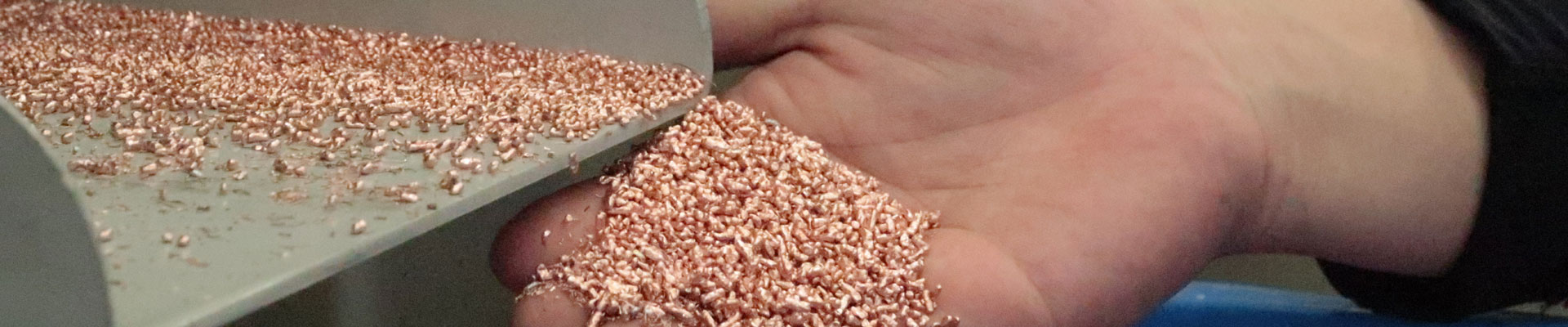
Black Mass Battery Recycling Machine
With the rapid growth of electric vehicles, energy storage systems, and portable electronic devices, the demand for lithium-ion batteries has increased significantly. During lithium battery recycling, black mass is one of the most valuable intermediate products produced by battery recycling plants.
Black mass is a fine powder generated after crushing, shredding, and separating waste lithium-ion batteries. It contains high-value metals such as lithium, nickel, cobalt, manganese, and graphite, which are essential raw materials for producing new battery cathode materials.
Because these valuable elements are limited natural resources, recycling black mass has become a key part of the global circular economy and battery supply chain.
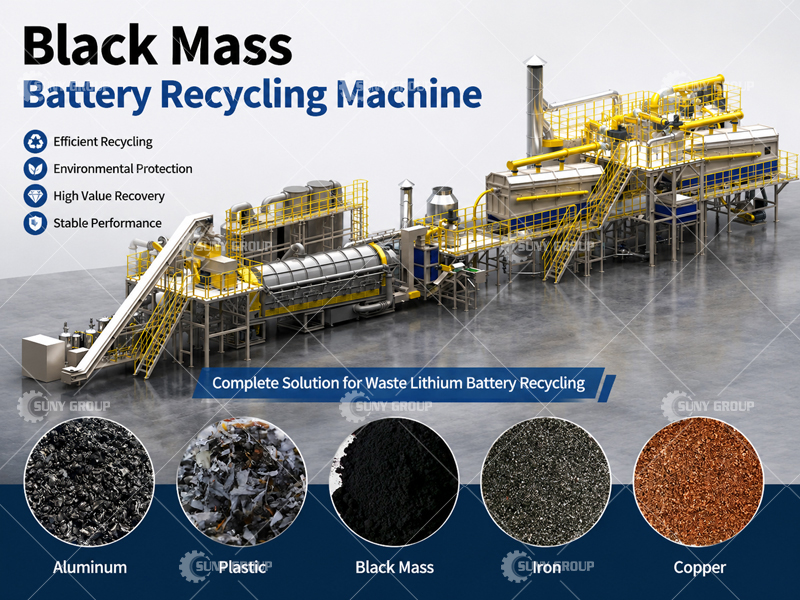
Black Mass Battery Recycling Plant
Why Does Lithium Battery Recycling Need Large Amounts of Black Mass?
The main purpose of lithium battery recycling is to recover valuable materials and reduce dependence on mining. Black mass plays an important role because it concentrates the most valuable components of lithium batteries.
The reasons why the battery industry needs large amounts of black mass include:
1. Recover Valuable Battery Metals
Black mass contains high concentrations of battery-grade materials, including:
- Lithium (Li)
- Nickel (Ni)
- Cobalt (Co)
- Manganese (Mn)
- Copper (Cu)
- Aluminum (Al)
- Graphite
These materials can be extracted and reused to manufacture new lithium-ion batteries.
2. Reduce Raw Material Mining
Traditional mining of lithium, cobalt, and nickel requires significant energy and causes environmental impacts. Recycling black mass can provide a secondary source of critical minerals and reduce pressure on natural resources.
3. Support Electric Vehicle Battery Production
The rapid expansion of electric vehicles requires huge amounts of battery materials. Recycled black mass can supplement the supply chain and help battery manufacturers maintain stable raw material availability.
4. Improve Economic Value of Waste Batteries
Waste lithium batteries are not simply waste products. After processing, they can generate valuable black mass, which has a much higher economic value than untreated battery waste.
What Are the Main Components of Black Mass?
The composition of black mass depends on battery type and recycling technology. Generally, black mass contains the following materials:
| Material | Approximate Content |
|---|---|
| Graphite | 10%–30% |
| Nickel | 5%–20% |
| Cobalt | 5%–20% |
| Lithium compounds | 3%–8% |
| Manganese | 5%–15% |
| Copper and aluminum particles | 1%–10% |
| Other impurities | Small amounts |
Different lithium battery chemistries produce different black mass compositions.
For example:
- NMC batteries (Nickel Manganese Cobalt batteries) usually have higher nickel, cobalt, and manganese content.
- LFP batteries (Lithium Iron Phosphate batteries) contain less cobalt and nickel but still contain valuable lithium and graphite.
What Is a Black Mass Battery Recycling Machine?
A black mass battery recycling machine is a specialized system used to process waste lithium-ion batteries and recover black mass powder.
The machine separates valuable battery materials from plastic, metal shells, and other impurities through mechanical and physical separation technologies.
A complete black mass recycling system usually includes:
1. Battery Discharging System
Before recycling, waste batteries must be safely discharged to remove residual electricity and prevent fire risks.
2. Crushing and Shredding Machine
The battery cells are crushed into smaller pieces. This process releases active materials from electrode sheets.
3. Drying System
The crushed materials are dried to remove moisture and improve separation efficiency.
4. Magnetic Separation
Magnetic separators remove ferrous metals such as iron and steel components.
5. Air Separation System
Air classifiers separate lightweight materials such as plastics from heavier metal particles.
6. Fine Grinding System
The material is further processed into fine powder, improving the recovery rate of valuable materials.
7. Black Mass Collection System
The final powder product is collected as black mass for further refining.
Black Mass Recycling Process
The typical black mass production process includes several steps:
Step 1: Battery Collection and Sorting
Waste lithium batteries are collected from:
- Electric vehicles
- Mobile phones
- Energy storage systems
- Electronic products
Different battery types are sorted before processing.
Step 2: Discharging and Safety Treatment
Batteries are discharged and prepared to avoid combustion or explosion risks during recycling.
Step 3: Crushing and Shredding
The batteries are crushed into small particles. The active materials are separated from aluminum foil, copper foil, and battery casings.
Step 4: Separation
Through magnetic separation, screening, and air classification, valuable materials are separated from unwanted materials.
Step 5: Black Mass Recovery
The fine powder containing lithium, nickel, cobalt, manganese, and graphite is collected as black mass.
Step 6: Hydrometallurgical or Pyrometallurgical Refining
The black mass can be further refined through:
- Hydrometallurgy: Chemical extraction using acids and solvents
- Pyrometallurgy: High-temperature metal recovery
These methods produce battery-grade raw materials.
Applications of Recycled Black Mass
Recovered black mass has many industrial applications.
1. Lithium Battery Manufacturing
The biggest application of black mass is producing new lithium-ion batteries.
Recovered lithium, nickel, cobalt, and manganese can be used to manufacture:
- Cathode materials
- Battery cells
- Energy storage batteries
- Electric vehicle batteries
2. Electric Vehicle Industry
The automotive industry uses recycled battery materials to reduce production costs and create a sustainable EV supply chain.
3. Energy Storage Systems
Black mass-derived materials are used in large-scale energy storage batteries for:
- Solar power storage
- Wind energy storage
- Grid stabilization
4. Metal Refining Industry
Recovered metals from black mass can also be used in:
- Nickel production
- Cobalt refining
- Lithium chemical production
- Advanced material manufacturing
Advantages of Investing in a Black Mass Battery Recycling Machine
A black mass recycling plant provides several benefits:
High Resource Recovery Rate
Modern recycling machines can recover valuable metals efficiently while reducing material loss.
Strong Market Demand
The increasing number of electric vehicles creates continuous demand for recycled battery materials.
Environmental Protection
Battery recycling prevents hazardous materials from entering landfills and reduces mining pollution.
Profitable Business Opportunity
Black mass has high commercial value, making lithium battery recycling an attractive investment opportunity.
Black mass is the most valuable intermediate product in lithium-ion battery recycling. It contains essential materials such as lithium, nickel, cobalt, manganese, and graphite, which are required for new battery production.
Black mass battery recycling machine provides an efficient solution for recovering these materials through crushing, separation, and refining processes. With the rapid development of electric vehicles and renewable energy storage, black mass recycling will continue to play an important role in building a sustainable battery supply chain.