
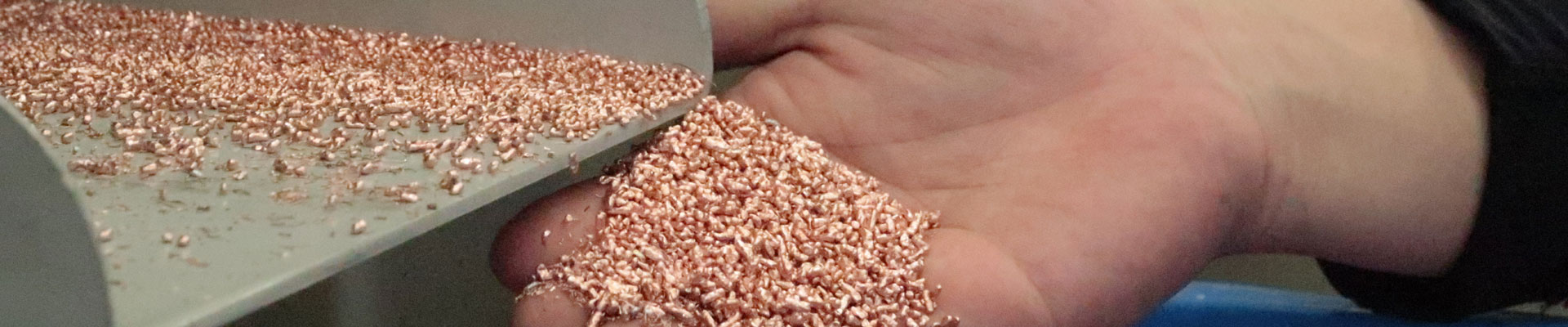
Alu-Cu Radiator Stripping Machine
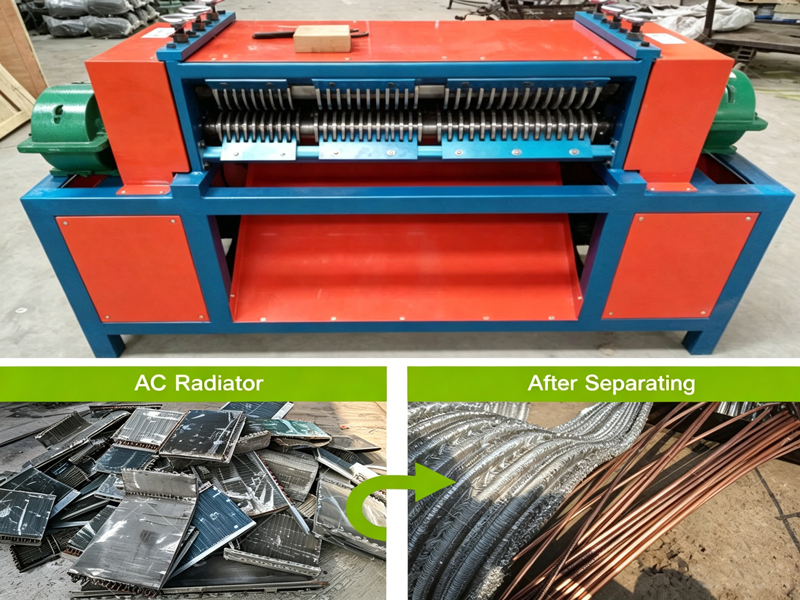
The alu-cu radiator stripping machine is an essential piece of equipment in modern metal recycling plants, designed to separate copper tubes and aluminum fins from scrap radiators. With the increasing demand for sustainable resource recovery, recycling aluminum-copper radiators has become highly valuable in the metal industry. This article explains the source of alu-cu radiators, the importance of recycling, their economic value, how a radiator stripping machine works, and the applications of recovered materials.
1. Sources of Alu-Cu Radiators
Aluminum-copper radiators are widely used in various industries due to their excellent heat transfer performance. Common sources include:
- Automotive radiators from cars, trucks, and buses
- Air conditioning system condensers and evaporators
- Industrial cooling systems
- HVAC equipment and refrigeration units
- Scrap vehicles and end-of-life machinery
These radiators typically consist of copper tubes combined with aluminum fins, making them ideal for heat exchange but difficult to separate manually.
2. Why Recycle Alu-Cu Radiators?
Recycling aluminum-copper radiators is important for both environmental and economic reasons:
- Resource conservation: Copper and aluminum are finite resources
- Energy saving: Recycling consumes far less energy than mining and refining raw ores
- Environmental protection: Reduces landfill waste and pollution
- High economic return: Separated metals have significantly higher market value than mixed scrap
Because copper is a high-value metal, efficient separation directly increases profitability in recycling operations.
3. Value of Copper and Aluminum Recovery
The value of alu-cu radiator recycling lies in material separation efficiency. Mixed radiators have limited resale value, but once processed:
- Copper tubes can be sold as high-grade copper scrap
- Aluminum fins can be recycled into aluminum ingots or secondary aluminum products
High purity separation increases scrap value by 2–5 times compared to unprocessed radiators, making recycling highly profitable for scrap processors.
4. What is an Alu-Cu Radiator Stripping Machine?
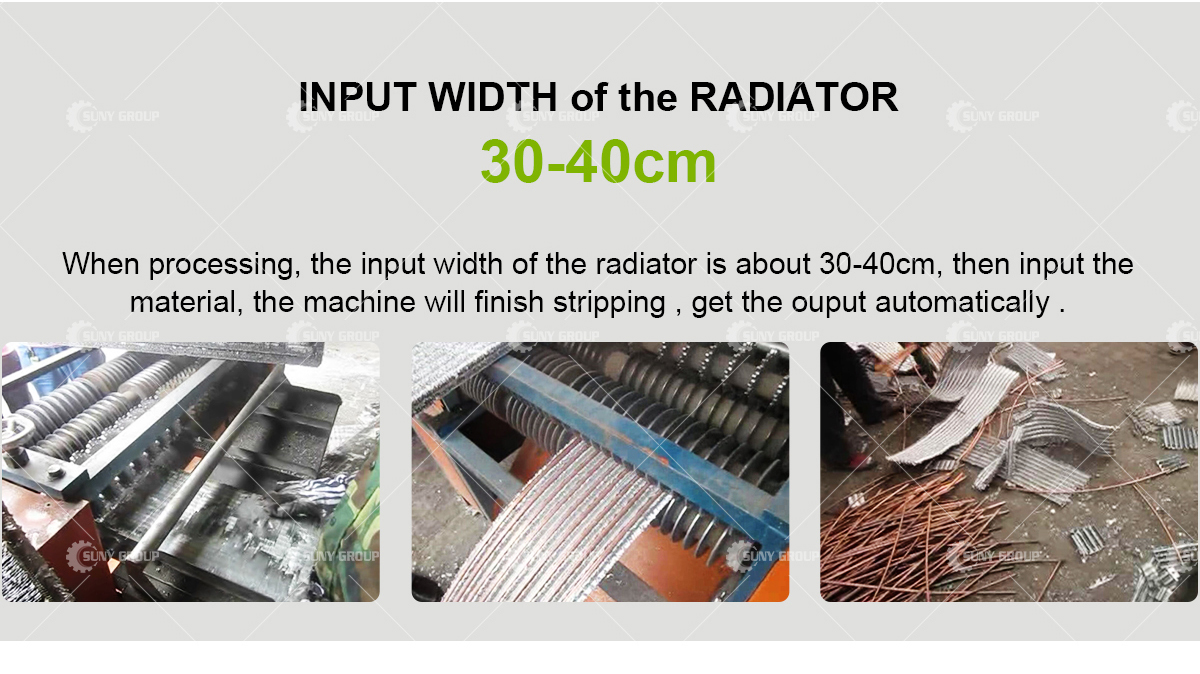
An alu-cu radiator stripping machine is specialized recycling equipment used to mechanically separate copper tubes from aluminum fins. It eliminates manual labor and improves processing efficiency.
Key features:
- High separation efficiency
- Adjustable cutting and stripping system
- Suitable for various radiator sizes
- Stable performance and low maintenance
- Automated or semi-automated operation
5. How the Radiator Stripping Machine Works
The working process is simple but highly effective:
- Feeding: Scrap radiators are manually or automatically fed into the machine
- Cutting/stripping: Sharp blades or rollers cut and separate aluminum fins from copper tubes
- Separation: Copper and aluminum are separated into different output channels
- Collection: Clean copper tubes and aluminum scrap are collected individually
Some advanced machines also include shredding or secondary sorting systems to improve purity.
6. Applications of Recovered Copper and Aluminum
After separation, both metals have wide industrial applications:
Copper applications:
- Electrical wiring and cables
- Electronics manufacturing
- Plumbing systems
- New heat exchangers and radiators
Aluminum applications:
- Automotive parts production
- Construction materials
- Beverage cans and packaging
- Re-melting into aluminum ingots
This closed-loop recycling process supports a circular economy and reduces dependence on raw mining.
The alu-cu radiator stripping machine plays a critical role in modern metal recycling industries by efficiently separating copper and aluminum from scrap radiators. With strong demand for both metals and increasing environmental awareness, investing in radiator recycling technology provides significant economic and ecological benefits. Efficient separation not only maximizes resource value but also supports sustainable industrial development worldwide.