
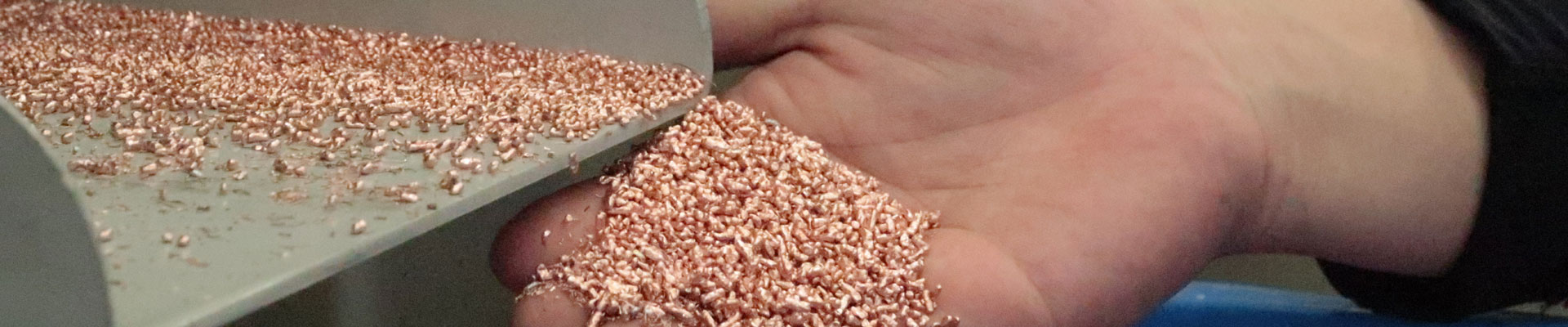
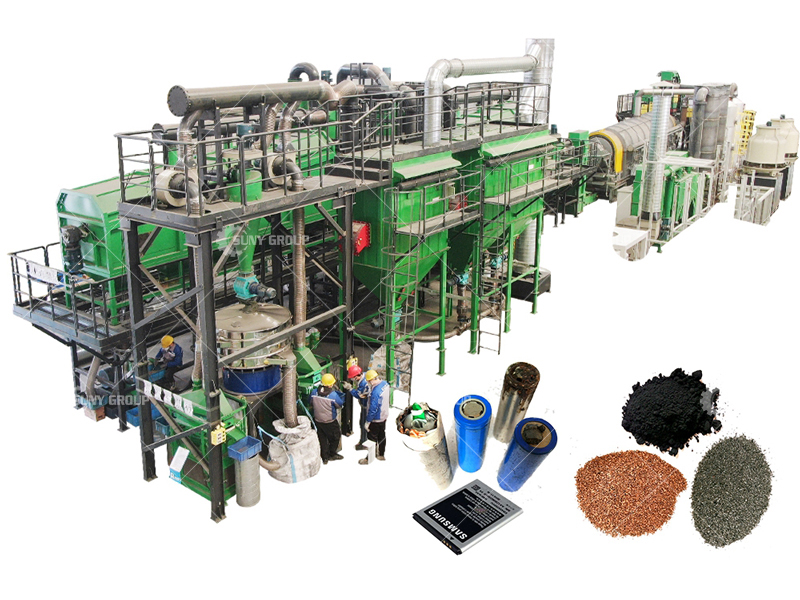
Small Scale Li-Ion Battery Recycling and Black Mass Recovery Plant
With the rapid growth of electric vehicles, portable electronics, energy storage systems, and power tools, the demand for lithium-ion batteries has increased significantly worldwide. At the same time, large amounts of waste lithium batteries are generated from damaged, expired, and end-of-life products. Recycling these batteries can recover valuable metals and reduce environmental pollution. small scale Li-Ion battery recycling and black mass recovery plant provides an ideal solution for small and medium-sized investors who want to enter the battery recycling industry with lower investment and flexible operation.
1. Advantages of Small Scale Li-Ion Battery Recycling Plant
Compared with large industrial battery recycling factories, a small lithium-ion battery recycling plant has several important advantages.
1. Lower Investment Cost
A small-scale recycling system requires:
- Less factory space
- Fewer machines
- Lower installation costs
- Reduced labor requirements
This makes it suitable for companies that want to start a battery recycling business gradually.
2. Flexible Processing Capacity
Small plants can process different types of waste lithium batteries, including:
- Mobile phone batteries
- Laptop batteries
- Power tool batteries
- Electric bicycle batteries
- Small EV battery packs
- Production scrap batteries
The processing capacity can be adjusted according to local waste supply.
3. Easy Operation and Management
A small Li-ion battery recycling line usually adopts a modular design, including:
- Battery discharging system
- Shredder
- Crusher
- Grinder
- Screening machine
- Air separator
- Dust collection system
The operation process is relatively simple and requires fewer operators.
4. Suitable for Local Recycling Networks
Because waste lithium batteries are distributed in different regions, small recycling plants can be built close to:
- Battery collection centers
- Electronic waste recycling companies
- EV maintenance companies
- Battery manufacturers
This reduces transportation costs and improves recycling efficiency.
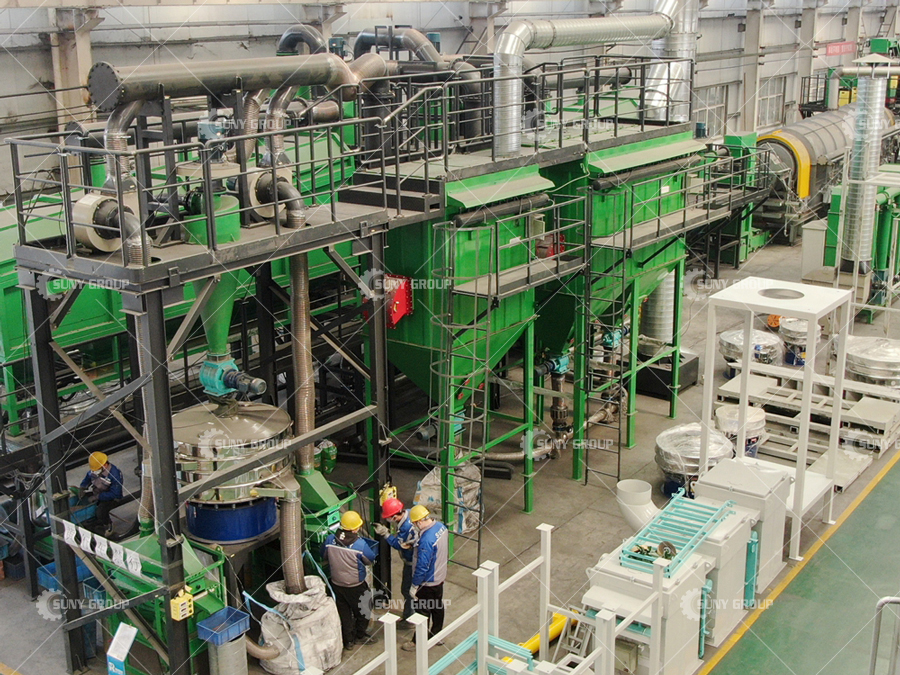
2. Who Is Suitable for Building a Small Lithium Battery Recycling Plant?
A small scale Li-Ion battery recycling and black mass recovery plant is suitable for:
1. E-Waste Recycling Companies
Existing e-waste recyclers can add lithium battery recycling equipment to expand their business.
2. Battery Manufacturers
Battery factories can recycle:
- Production scrap
- Defective batteries
- Waste electrode materials
and recover valuable materials.
3. EV Battery Service Companies
Companies involved in electric vehicle repair and battery replacement can recycle used battery packs locally.
4. Small Recycling Entrepreneurs
Investors who want to enter the renewable resource industry can start with a small plant and expand capacity in the future.
3. How to Build a Small Li-Ion Battery Recycling Plant?
A complete small battery recycling system mainly includes the following processes:
Step 1: Battery Collection and Sorting
Waste lithium batteries are collected and classified according to:
- Battery type
- Size
- Chemical composition
- Safety condition
Proper sorting improves recovery efficiency.
Step 2: Battery Discharging
Before processing, batteries should be safely discharged to reduce the risk of fire and explosion.
Step 3: Crushing and Shredding
A shredder breaks batteries into smaller pieces and releases internal materials.
The crushed materials contain:
- Aluminum
- Copper
- Plastic
- Steel
- Electrode materials
Step 4: Separation Process
Through screening, magnetic separation, and air separation:
- Steel is separated by magnetic force
- Aluminum and copper are recovered
- Lightweight plastics are removed
Step 5: Black Mass Recovery
The remaining fine powder is called black mass, which mainly contains:
- Lithium
- Nickel
- Cobalt
- Manganese
- Graphite
Black mass is the most valuable product from lithium battery recycling.
4. Value and Recovery Rate of Black Mass
Black mass recovery is one of the most important goals of lithium-ion battery recycling.
Black mass contains valuable battery materials that can be reused for new battery production.
Main recovered elements include:
Lithium
Applications:
- Lithium carbonate production
- Battery cathode manufacturing
- Energy storage batteries
Nickel and Cobalt
Applications:
- New lithium battery cathode materials
- Electric vehicle batteries
- Energy storage systems
Manganese
Applications:
- Battery materials
- Metal alloy production
Graphite
Applications:
- Battery anode materials
- Industrial carbon products
The recovery rate depends on:
- Battery type
- Recycling technology
- Equipment configuration
- Separation efficiency
A well-designed mechanical recycling system can achieve high recovery of valuable materials, while advanced downstream processes can further recover lithium, nickel, and cobalt from black mass. Some pilot recycling technologies have demonstrated lithium recovery above 90% and high recovery rates for nickel and cobalt under optimized conditions.
5. Applications of Recycled Materials
After processing, the recovered materials can be widely used.
Black Mass Applications
Black mass can be sent to hydrometallurgical or other refining plants to produce:
- Battery-grade lithium compounds
- Nickel salts
- Cobalt compounds
- Cathode materials
Aluminum Applications
Recovered aluminum can be used for:
- Aluminum products
- Metal casting
- Industrial materials
Copper Applications
Recovered copper can be used in:
- Electrical cables
- Electronics manufacturing
- Metal processing industries
Graphite Applications
Recovered graphite can be used in:
- Battery anode production
- Carbon materials
6. Cost of Building a Small Li-Ion Battery Recycling Plant
The investment cost depends on:
- Processing capacity
- Automation level
- Equipment configuration
- Factory conditions
Main investment items include:
- Recycling equipment
- Installation
- Electrical system
- Dust collection system
- Safety equipment
- Factory rental
Compared with large-scale plants, small recycling systems require less capital and allow investors to enter the market with lower financial pressure.
7. How to Choose a Small Battery Recycling Machine?
When selecting equipment, consider:
1. Battery Types
Choose equipment suitable for:
- Lithium-ion batteries
- EV batteries
- Consumer electronics batteries
- Battery scrap
2. Recovery Efficiency
The machine should provide:
- High black mass recovery rate
- High metal separation purity
- Low material loss
3. Safety Design
A reliable system should include:
- Fire prevention measures
- Dust collection
- Explosion protection
- Safe operation design
4. Supplier Support
Choose manufacturers that provide:
- Complete recycling solutions
- Installation guidance
- Technical support
- Spare parts supply
Small scale Li-Ion battery recycling and black mass recovery plant is an attractive investment opportunity due to its lower cost, flexible operation, and growing market demand. By using crushing, separation, and black mass recovery technologies, small recycling plants can recover valuable resources such as lithium, nickel, cobalt, copper, and graphite.
With the rapid development of electric vehicles and energy storage systems, establishing a small lithium battery recycling factory can help companies achieve economic benefits while supporting resource recycling and sustainable development.