
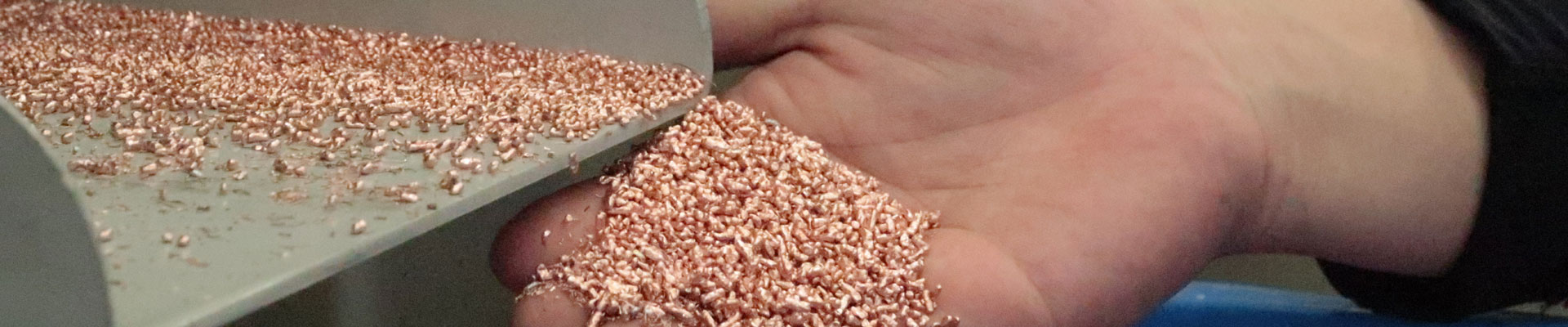
Recycling Plant for Lithium Ion Batteries
With the rapid growth of electric vehicles, portable electronics and energy storage systems, the demand for a recycling plant for lithium ion batteries is increasing worldwide. Spent lithium-ion batteries contain valuable materials such as lithium, nickel, cobalt, manganese, copper, aluminum and graphite. Proper recycling can recover these resources while reducing environmental risks and dependence on virgin raw materials.
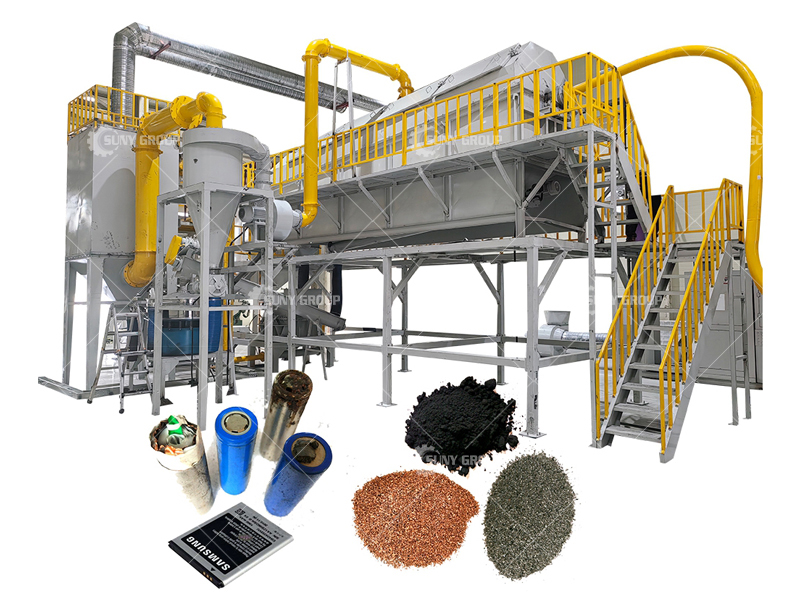
1. What Types of Lithium-Ion Batteries Can Be Recycled?
Lithium-ion batteries can be classified according to their cathode chemistry and physical design. The most common types include:
- LCO (Lithium Cobalt Oxide) – widely used in smartphones, laptops, cameras and other portable electronics.
- NMC (Lithium Nickel Manganese Cobalt Oxide) – commonly used in electric vehicles and energy storage applications.
- NCA (Lithium Nickel Cobalt Aluminum Oxide) – mainly used in high-energy-density applications, including some EV batteries.
- LFP (Lithium Iron Phosphate) – increasingly used in electric vehicles, energy storage systems and power batteries.
- LMO (Lithium Manganese Oxide) – used in power tools, electric vehicles and other applications.
- LTO (Lithium Titanate) – a specialized battery chemistry used where fast charging and long cycle life are important.
These batteries may also have different physical formats, including cylindrical, prismatic and pouch cells. Therefore, a commercial recycling plant should be designed to handle different battery chemistries, sizes and pack structures.
2. What Machines Are Used in a Lithium-Ion Battery Recycling Plant?
A complete lithium ion battery recycling plant normally combines several types of equipment:
- Battery discharge equipment – reduces residual electrical energy and improves processing safety.
- Battery dismantling machine – separates battery packs, modules and cells.
- Lithium battery shredder – breaks batteries into smaller pieces.
- Crusher and fine grinding equipment – further liberates electrode materials.
- Screening machine – separates materials according to particle size.
- Magnetic separator – removes ferrous metals.
- Air separator or pneumatic separator – separates lightweight materials such as plastics and separators.
- Eddy current or other non-ferrous separation equipment – can assist in recovering aluminum and other non-ferrous fractions.
- Dust collection system – controls fine particulate generated during crushing and separation.
- Black mass collection system – collects the valuable electrode powder containing lithium and transition metals.
The mechanical section can produce several streams, including black mass, copper, aluminum, steel, plastics and separator materials. EPA identifies shredding as a common recycling step and notes that black mass contains shredded cathode and anode materials.
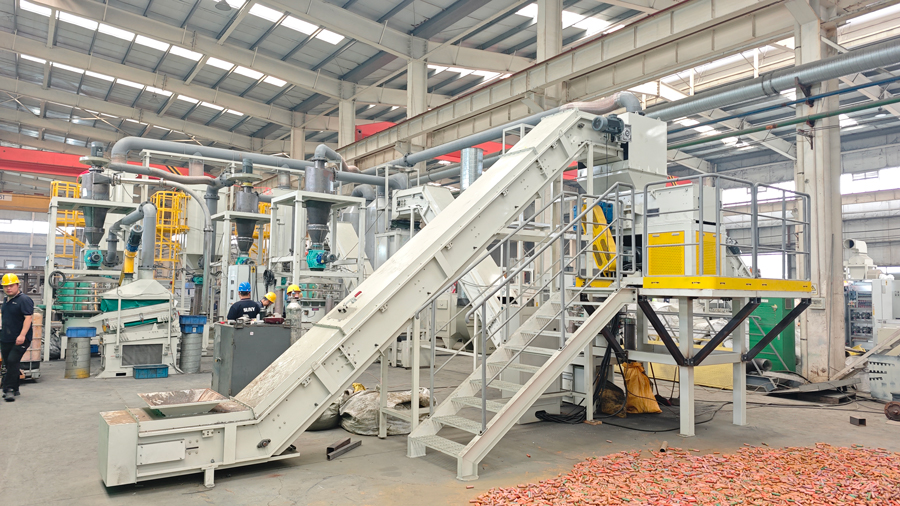
3. How to Build a Lithium-Ion Battery Recycling Plant?
Building a recycling plant requires more than simply purchasing a shredder. A practical project can be divided into the following stages:
Step 1: Battery collection and classification
Collect spent batteries from EVs, laptops, mobile phones, power tools, energy storage systems and battery manufacturers. Sort batteries according to chemistry, size and condition.
Step 2: Safety inspection and discharge
Damaged, swollen or potentially hazardous batteries require special handling. Batteries should be isolated and managed to reduce fire and electrical risks before mechanical processing.
Step 3: Dismantling and shredding
Large EV battery packs can be dismantled into modules or cells before entering the shredding system. The batteries are then processed through controlled shredding and crushing.
Step 4: Mechanical separation
Screening, magnetic separation, air separation and other sorting technologies separate black mass from copper, aluminum, steel and plastics.
Step 5: Metal recovery
For higher-value recovery, black mass can undergo hydrometallurgical, pyrometallurgical or direct recycling processes. Hydrometallurgy uses chemical leaching and purification to recover metals such as lithium, nickel, cobalt and manganese, while pyrometallurgy uses high-temperature treatment. Direct recycling aims to preserve valuable cathode structures.
4. Economic Value of Lithium-Ion Battery Recycling
The economic value of lithium battery recycling comes from recovering multiple valuable products rather than relying on a single material.
Potential recovered products include:
- Lithium compounds
- Nickel compounds
- Cobalt compounds
- Manganese compounds
- Copper
- Aluminum
- Steel
- Graphite and other electrode materials
The profitability of a recycling plant depends on battery chemistry, feedstock price, processing capacity, recovery rate, energy consumption, labor costs, chemical consumption and the market prices of recovered materials.
NMC and NCA batteries can be particularly attractive because their cathode materials contain valuable nickel and cobalt. LFP batteries contain less high-value transition metal, so their economics can depend more heavily on lithium recovery, processing efficiency and feedstock costs. Therefore, the plant should be designed according to the actual battery feedstock available in the target market.
5. Environmental Benefits of Lithium Battery Recycling
A professional lithium ion battery recycling plant provides important environmental benefits. First, recycling reduces the amount of batteries sent to landfills or inappropriate waste-processing systems. Improperly handled lithium-ion batteries can create fire hazards.
Second, recycling recovers critical minerals and reduces the need for new mining. Lithium, nickel, cobalt and manganese are important materials for modern battery production. Recovering them from spent batteries helps establish a more circular supply chain.
Third, recycling can reduce the environmental burden associated with producing battery materials from virgin resources. The recovered materials can eventually return to the battery manufacturing supply chain, supporting a closed-loop battery recycling system.
6. Conclusion
A well-designed recycling plant for lithium ion batteries should integrate safe collection, battery classification, discharge, dismantling, shredding, crushing, screening and separation with appropriate downstream metal recovery technology. The best solution depends on the battery chemistry, capacity, desired products and local regulations.
For investors, lithium-ion battery recycling offers both economic and environmental value. By recovering black mass, lithium, nickel, cobalt, manganese, copper and aluminum, a modern recycling plant can turn end-of-life batteries into valuable secondary resources while supporting the development of a circular battery economy.