
PCB Extract Machinery for Precious Metal Recovery
PCB extract machinery for precious metal recovery is an advanced electronic waste recycling system designed to process waste printed circuit boards (PCBs) and extract valuable metals such as gold, copper, silver, and palladium. With the rapid growth of electronic products, PCB recycling has become an important part of sustainable resource recovery and urban mining industries.
This machinery is widely used in e-waste recycling plants, metal recovery facilities, and electronic dismantling factories.
Sources of PCB (Printed Circuit Boards)
Printed circuit boards come from a wide range of electronic and electrical waste. Common PCB sources include:
- Computer motherboards and CPUs
- Mobile phones and tablets
- Telecommunication equipment
- TV boards and household appliances
- Industrial control systems
- Servers and networking devices
- Automotive electronic modules
As global electronics consumption increases, PCB waste continues to grow rapidly, making efficient recycling systems essential.
Precious Metals in PCB Boards
PCB boards contain several high-value metals that make recycling economically attractive. The main precious metals include:
1. Gold (Au)
- Found in connectors, edge fingers, and contact points
- Excellent conductivity and corrosion resistance
- Used in high-performance electronics
2. Silver (Ag)
- Used in soldering materials and conductive pastes
- High electrical conductivity
- Common in multilayer PCB structures
3. Palladium (Pd)
- Used in capacitors and plating layers
- Enhances durability and electrical stability
4. Copper (Cu)
- Main conductive material in PCB layers
- High recycling value due to large volume
PCB Extract Machinery Introduction
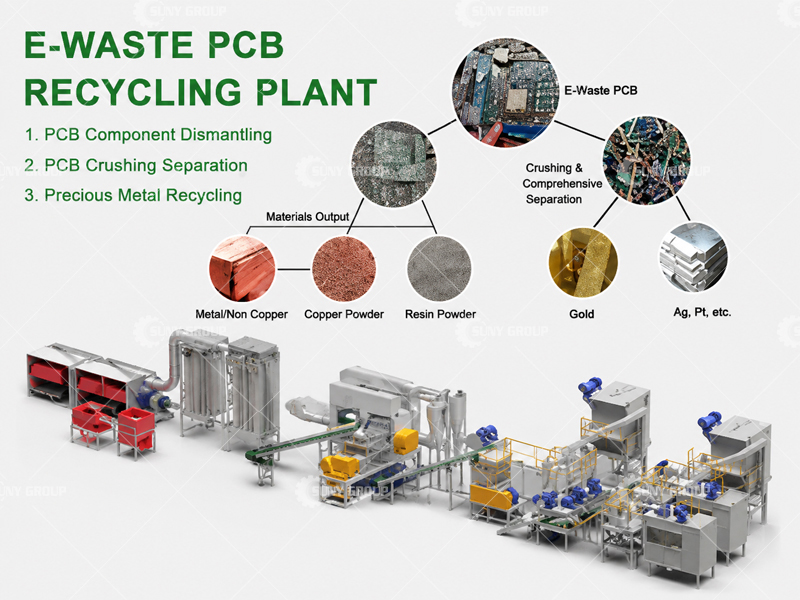
PCB extract machinery is a complete recycling system that separates and recovers valuable metals from waste circuit boards. A standard production line may include:
- Shredder or crusher system
- Hammer mill or fine grinder
- Magnetic separator
- Air separator
- Electrostatic separator
- Dust collection system
This integrated system ensures efficient separation of metals and non-metal materials such as resin and fiber.
Working Principle of PCB Extract Machinery
The working process of PCB extraction machinery generally follows these steps:
1. Shredding
Waste PCBs are first crushed into small particles to break down the structure.
2. Grinding
The crushed material is further ground into fine powder to release embedded metals.
3. Separation
Different separation technologies are applied:
- Magnetic separation: removes iron-based materials
- Air separation: separates light plastic and fiber dust
- Electrostatic separation: separates metal and non-metal particles based on conductivity differences
4. Metal Collection
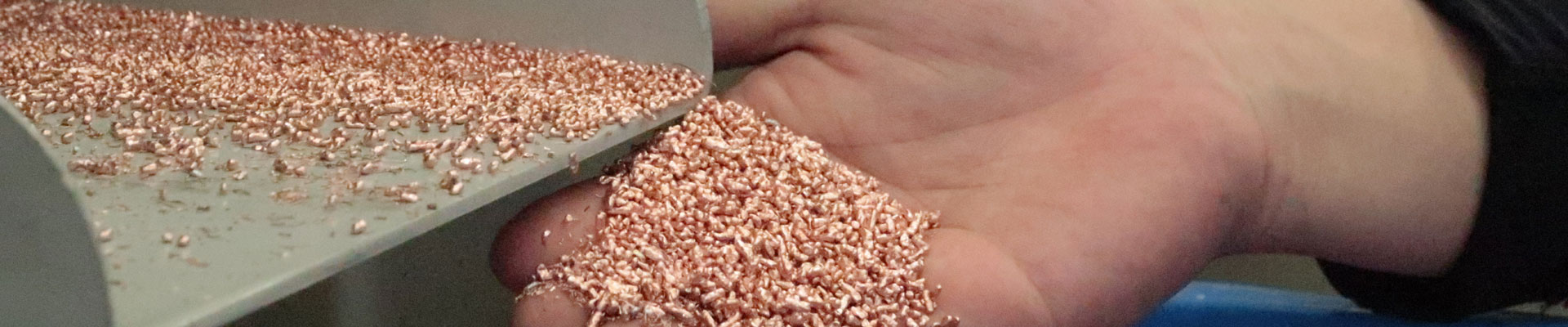
Finally, high-purity metal concentrates (copper, gold, silver particles) are collected for further refining.
Applications of Recovered Precious Metals
The recovered metals from PCB recycling have wide industrial applications:
- Gold: used in aerospace electronics, smartphones, and precision instruments
- Silver: used in solar panels, medical devices, and conductive coatings
- Copper: used in power cables, motors, and electrical wiring
- Palladium: used in catalytic converters and advanced electronics
These metals are critical for modern industries and reduce dependency on mining natural ores.
PCB extract machinery for precious metal recovery plays a vital role in modern e-waste recycling systems. By efficiently processing waste PCBs from electronics such as computers and mobile phones, it enables the recovery of valuable metals like gold, silver, copper, and palladium. With advanced separation technology and high automation, PCB recycling not only creates economic value but also supports environmental sustainability and resource conservation.