
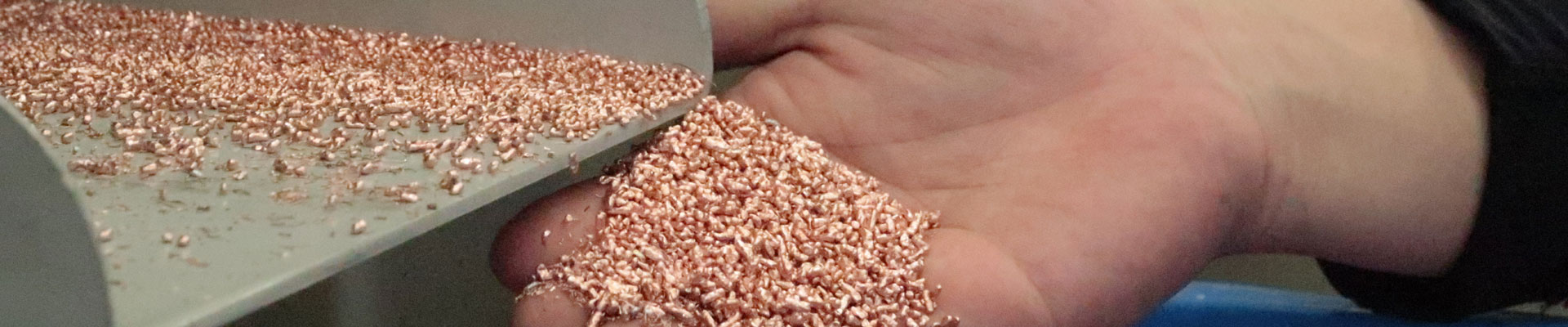
Lithium-Ion Battery Recycling and Metal Extraction Plant
With the rapid growth of electric vehicles (EVs), energy storage systems, and portable electronic devices, the demand for lithium-ion batteries is increasing worldwide. At the same time, millions of tons of spent lithium-ion batteries will need proper treatment in the future. Building a lithium-ion battery recycling and metal extraction plant is becoming an important business opportunity because waste batteries contain valuable metals and reusable materials. Battery recycling can reduce environmental pollution, decrease dependence on raw material mining, and create a sustainable circular economy.
Why Is Lithium-Ion Battery Recycling Valuable?
Waste lithium-ion batteries are not simply industrial waste; they are a secondary resource containing high-value materials. If discarded improperly, batteries may cause fire risks, chemical pollution, and heavy metal contamination. Through professional recycling technology, valuable resources can be recovered and reused in new battery production.
The main values of lithium-ion battery recycling include:
- Recovering valuable metals
Lithium-ion batteries contain strategic metals such as lithium, cobalt, nickel, manganese, copper, and aluminum. Recovering these materials can reduce the need for new mining and stabilize battery material supply chains. - Reducing environmental impact
Recycling prevents hazardous battery components from entering landfills and reduces carbon emissions compared with traditional mining processes. - Supporting the battery circular economy
Recovered metals can be processed into battery-grade materials and supplied back to battery manufacturers, creating a closed-loop recycling system.
What Materials Can Be Recovered from Lithium-Ion Batteries?
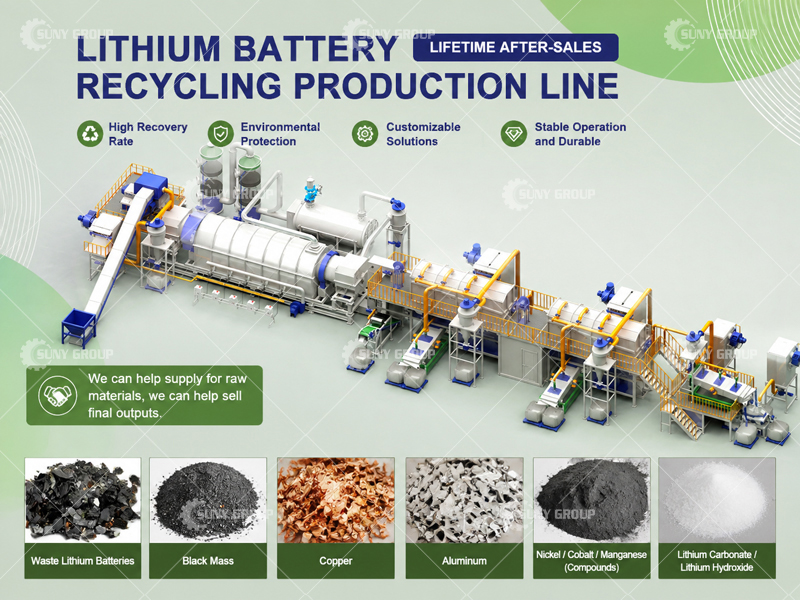
A complete lithium-ion battery recycling plant can recover various valuable materials:
1. Lithium (Li)
Lithium is one of the most important raw materials for battery production. After recycling, lithium can be converted into lithium carbonate or lithium hydroxide for manufacturing new cathode materials.
2. Cobalt (Co)
Cobalt has a high economic value and is widely used in lithium cobalt oxide (LCO) and other battery chemistries. Recycling cobalt helps reduce dependence on limited mineral resources.
3. Nickel (Ni)
Nickel is essential for high-energy-density batteries such as NMC and NCA batteries. Recovered nickel can be processed into nickel sulfate for new battery production.
4. Manganese (Mn)
Manganese is used in NMC battery cathode materials. Recycling can recover manganese compounds for industrial applications.
5. Copper and Aluminum
Battery cells contain copper foil and aluminum foil. Through mechanical separation, these metals can be collected as valuable metal scrap.
6. Graphite and Black Mass
The recycling process produces black mass, which contains concentrated battery materials including lithium, nickel, cobalt, manganese, and graphite. Black mass is an important intermediate product for further metal extraction.
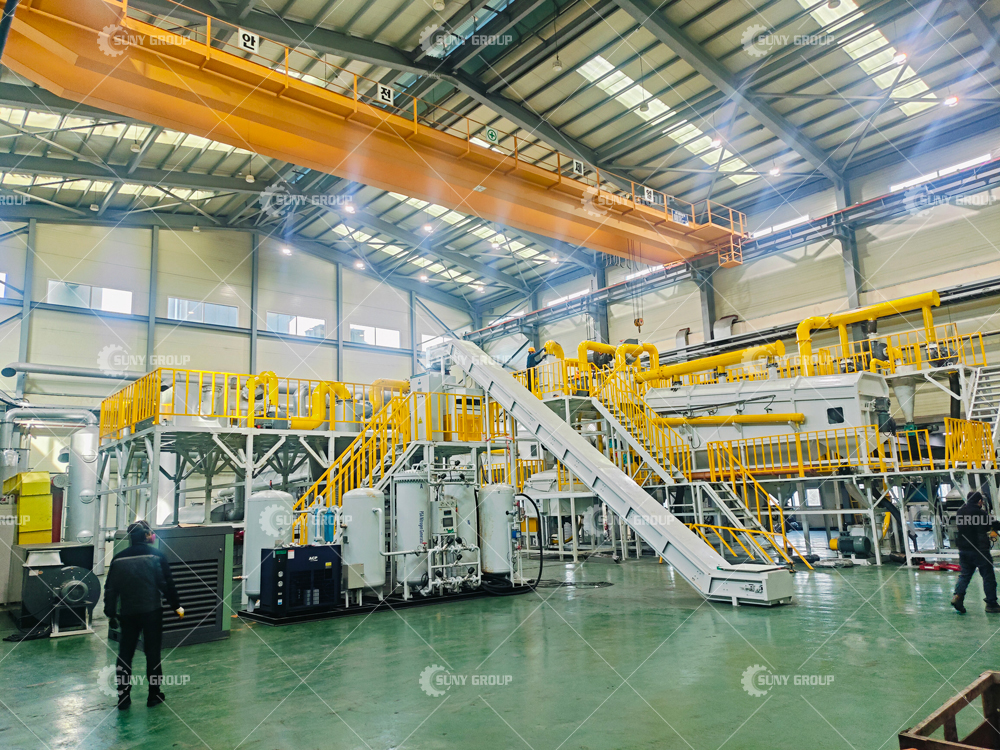
How to Build a Lithium-Ion Battery Recycling and Metal Extraction Plant?
A complete recycling plant usually includes several processing stages:
1. Battery Collection and Sorting
The first step is collecting waste batteries from EVs, electronic products, energy storage systems, and battery manufacturers. Batteries should be sorted according to chemistry types such as NMC, LFP, and LCO.
2. Discharging and Safety Treatment
Before processing, batteries need to be discharged to reduce fire and explosion risks. Proper safety systems are necessary because lithium batteries contain flammable electrolytes.
3. Battery Crushing and Separation
The batteries are crushed by specialized shredding equipment. Through magnetic separation, screening, and air separation, the plant can separate:
- Aluminum
- Copper
- Plastic
- Steel casing
- Black mass
Mechanical pretreatment is an important step to improve recovery efficiency.
4. Metal Extraction Process
The black mass is processed through advanced extraction technologies:
- Hydrometallurgy: Uses chemical solutions to extract lithium, cobalt, nickel, and manganese with high purity.
- Pyrometallurgy: Uses high-temperature treatment to recover valuable metals.
- Direct recycling: Regenerates cathode materials without completely separating metals.
Hydrometallurgical technology is widely used because it can achieve high recovery rates and produce battery-grade materials.
Lithium-Ion Battery Recycling Plant Cost
The investment cost depends on production capacity, automation level, and final product requirements.
Small-scale plant (500 kg–1 ton/hour)
Estimated investment:
- USD 300,000–1 million
Suitable for:
- Small battery recycling companies
- Electronic waste recycling businesses
- Regional collection centers
Medium-scale plant (2–5 tons/hour)
Estimated investment:
- USD 1–5 million
Suitable for:
- Commercial battery recycling operations
- EV battery processing businesses
Large-scale metal extraction plant
Estimated investment:
- USD 10 million or more
A large plant may include complete shredding, black mass production, hydrometallurgy, wastewater treatment, and metal purification systems.
The final cost depends on equipment configuration, automation level, land construction, environmental protection systems, and production targets.
Lithium-ion battery recycling and metal extraction plant is a promising investment because waste batteries contain valuable metals including lithium, cobalt, nickel, manganese, copper, and aluminum. By combining battery shredding, separation, and metal extraction technologies, companies can recover valuable resources while protecting the environment. With the continuous expansion of EV and energy storage markets, lithium battery recycling will become an essential industry for sustainable development.