
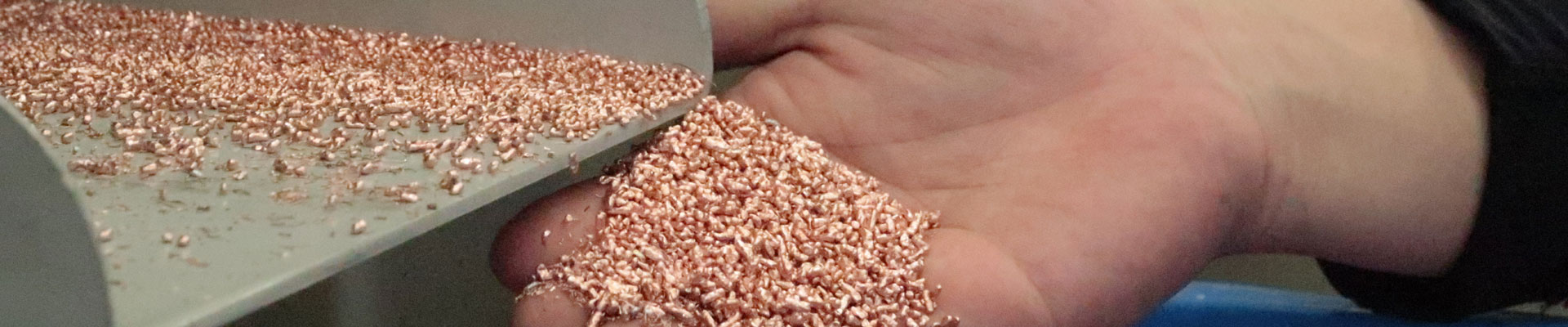
How to Recycle Jelly Filled Cable
Jelly Filled Cable is a type of telecommunications cable designed for outdoor and underground communication systems. Unlike ordinary dry cables, its internal spaces are filled with petroleum-based jelly or another water-resistant compound. This jelly prevents moisture from entering the cable core and helps protect copper conductors from corrosion. However, when these cables reach the end of their service life, the sticky filling compound makes conventional cable recycling more difficult. Therefore, How to Recycle Jelly Filled Cables has become an important question for cable recyclers looking to recover clean copper and reusable plastic.
What Is Jelly Filled Cable?
Jelly Filled Cable, also called jelly-filled telephone cable or gel-filled communication cable, is mainly used in telecommunications networks. It can commonly be found in underground telephone lines, outdoor communication networks, and other installations exposed to moisture.
A typical jelly-filled cable may contain:
- Copper conductors
- Polyethylene or other plastic insulation
- Plastic cable jackets
- Petroleum-based jelly or gel
- Steel or aluminum components in some cable designs
The main function of the jelly is waterproofing. It fills the spaces around the conductors and prevents water migration inside the cable. The same sticky material, however, can adhere to copper, plastic and recycling equipment, reducing the efficiency of ordinary cable granulation.
Where Do Jelly Filled Cables Come From?
Waste Jelly Filled Cables mainly come from the replacement and upgrading of telecommunications infrastructure. Common sources include:
- Underground telephone cable replacement – Old copper communication networks are removed when new systems are installed.
- Telecommunication network upgrades – Copper-based communication networks may be replaced by fiber-optic systems.
- Demolition and infrastructure projects – Old communication cables can be recovered from buildings, factories and underground networks.
- Cable scrap dealers and recycling companies – Large quantities of obsolete cables can be collected and processed in centralized recycling plants.
Because these cables contain valuable copper, recovering the metal can provide both resource and economic benefits.
How to Recycle Jelly Filled Cables?
A specialized Jelly Filled Cable Recycling Plant should focus on two major challenges: removing the jelly and separating copper from plastic. A typical mechanical recycling process includes the following steps:
1. Cable Feeding and Primary Shredding
Waste cables are fed onto a conveyor and transferred to a heavy-duty shredder. The shredder reduces long cables into smaller pieces, making the material easier to process in the following stages. Magnetic separation can then remove steel or other ferrous impurities.
2. Jelly Removal and Washing
This is the most important difference between jelly-filled cable recycling and ordinary wire recycling. Hot water, controlled washing, flotation or suitable cleaning processes can be used to reduce jelly adhesion. Closed-loop water treatment can help recycle process water and reduce wastewater discharge. Specialized systems may also use steam or heated air depending on the cable composition and plant design.
3. Fine Crushing and Granulation
After the jelly has been sufficiently removed, the cable material enters a fine crusher or granulator. The copper and plastic insulation are reduced to small particles, allowing the two materials to become effectively liberated. Particle size should be selected according to the cable structure and downstream separation equipment.
4. Copper-Plastic Separation
The crushed material can be separated according to differences in density, particle size and physical properties. A combination of vibrating screens, airflow separation, flotation and gravity separation can be used. Shaking tables are particularly useful for separating fine copper particles from lightweight plastic materials.
5. Dewatering and Drying
After wet separation, the recovered copper particles contain moisture and should be processed through a dewatering machine and dryer. Drying is important because clean, dry copper is easier to store, transport and sell.
How to Get Clean Copper from Jelly Filled Cables?
To obtain high-purity copper, jelly removal must be completed before or during the separation process. Simply using a conventional copper granulator may cause jelly to stick to the blades, screens and copper particles.
A complete solution can therefore combine:
Shredding → Magnetic Separation → Jelly Removal/Washing → Fine Crushing → Gravity Separation → Dewatering → Drying → Clean Copper
Modern jelly cable recycling systems can be designed to produce copper with purity around 99% or higher, depending on the cable composition, jelly content, particle size and equipment configuration.
How to Build a Jelly Filled Cable Recycling Plant?
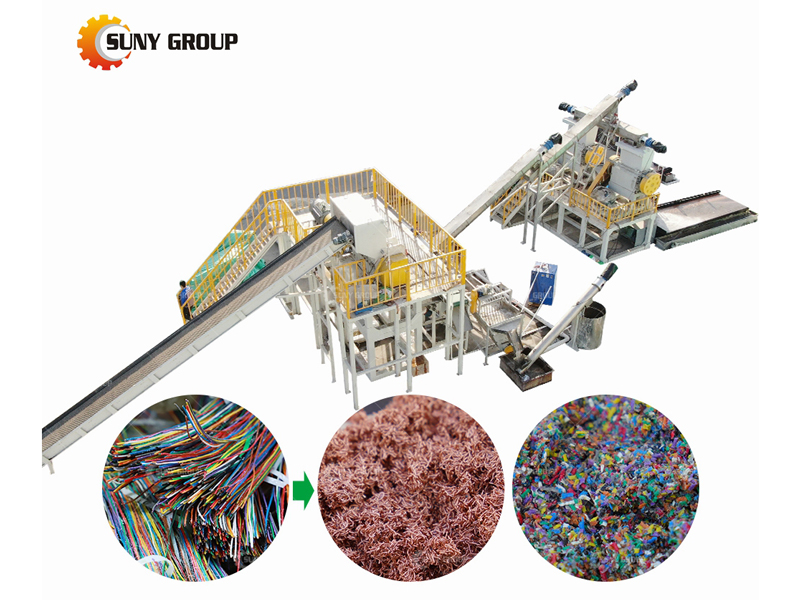
Before building a plant, recyclers should analyze the cable diameter, copper content, plastic type, jelly quantity and required capacity. A complete plant may include a feeding conveyor, double-shaft shredder, magnetic separator, washing or jelly-removal system, granulator, vibrating screen, gravity separator, dewatering machine, dryer, water-treatment system and dust-control equipment.
For larger projects, the entire system can be integrated with a PLC control system for automated feeding, separation and material monitoring. The final plant configuration should be determined through raw-material testing and capacity requirements rather than using the same equipment configuration for every type of cable.
A properly designed Jelly Filled Cable Recycling Plant can turn difficult-to-process telecom cable waste into clean copper and reusable plastic while reducing landfill waste and improving the recovery of valuable resources.