
Home Appliances Waste Recycling Plant
As household appliances are upgraded and replaced more frequently, the volume of discarded electrical equipment continues to grow. Waste refrigerators, washing machines, air conditioners, televisions, ovens, dryers, water heaters, and other appliances contain significant amounts of recyclable steel, copper, aluminum, plastics, glass, motors, cables, and electronic components. Establishing an efficient home appliances waste recycling plant allows these valuable resources to be recovered and reused while reducing the amount of waste sent to landfills and supporting a more sustainable recycling industry.
What Types of Home Appliances Can Be Recycled?
A complete home appliances recycling plant can process different categories of discarded appliances, including:
- Refrigerators and freezers – steel, aluminum, copper, plastics, compressors, refrigerant and insulation foam.
- Washing machines and dryers – steel, stainless steel, copper, aluminum, motors and plastics.
- Air conditioners and dehumidifiers – copper, aluminum, steel, compressors, plastics, refrigerants and oils.
- Televisions and monitors – glass, plastics, steel, copper, circuit boards and electronic components.
- Ovens, microwaves and water heaters – steel, aluminum, copper, glass and electrical components.
- Small household appliances – motors, cables, circuit boards, aluminum, copper and engineering plastics.
Major appliances are particularly valuable because ferrous metals such as steel and iron make up a significant portion of their material composition.
What Valuable Materials Can Be Recovered?
The main objective of a home appliances waste recycling plant is to separate mixed waste into clean and saleable material streams. The recovered materials commonly include:
- Ferrous metals: steel and iron
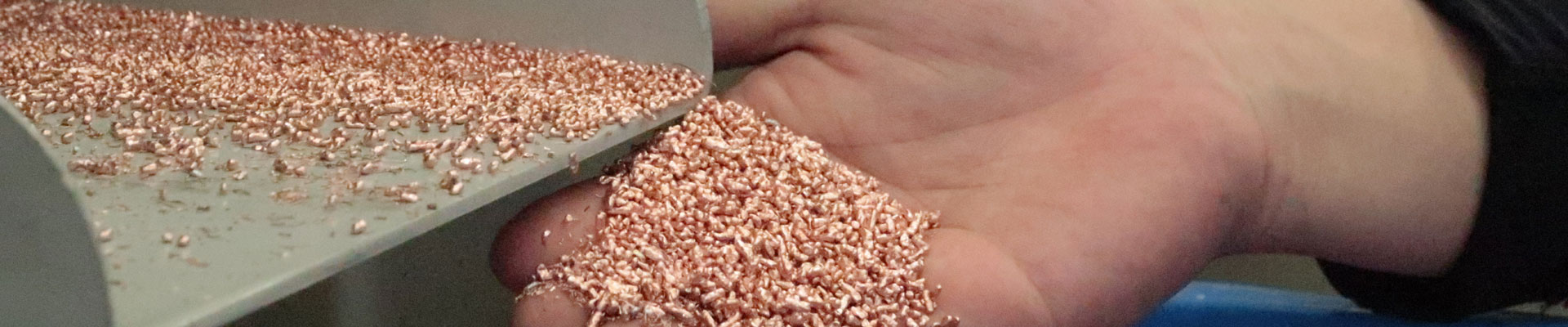
- Non-ferrous metals: copper and aluminum
- Plastics: ABS, PP, PS and mixed plastics
- Glass: television glass and appliance glass
- Copper wires and cables
- Motors and compressors
- Printed circuit boards (PCBs)
- Refrigerant and compressor oil
- Polyurethane insulation materials
Japanese appliance recycling guidance also identifies iron, aluminum, copper and plastics as major recyclable resources recovered through dismantling and material separation.
How to Build a Home Appliances Waste Recycling Plant?
A practical plant should combine manual dismantling, hazardous-material removal, shredding and mechanical separation. A typical process is:
Waste Appliance Collection → Manual Dismantling → Hazardous Component Removal → Shredding → Magnetic Separation → Eddy Current Separation → Screening → Air Separation → Plastic Sorting → Final Material Collection
For refrigerators and air conditioners, refrigerant must be recovered before shredding or disposal. Depending on the appliance and local regulations, special attention may also be required for oils, mercury-containing components, capacitors and other hazardous materials.
Main Equipment Configuration
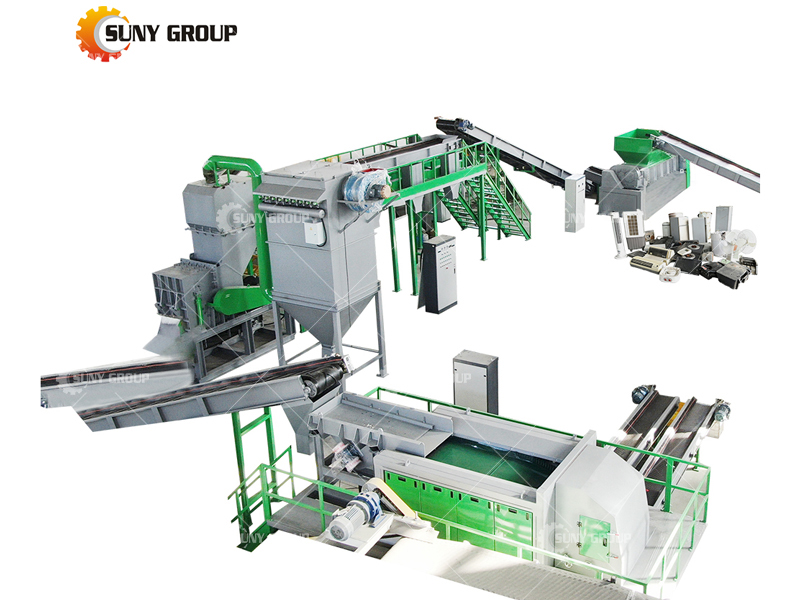
A medium or large home appliances recycling plant can be configured with:
- Appliance dismantling station – removes compressors, motors, cables, circuit boards and other valuable components.
- Refrigerant recovery system – safely extracts refrigerants from refrigerators and air conditioners.
- Hydraulic or double-shaft shredder – reduces bulky appliances into manageable pieces.
- Hammer mill or secondary crusher – further liberates metals and other materials.
- Magnetic separator – recovers ferrous metals such as steel and iron.
- Eddy current separator – separates aluminum and other non-ferrous metals.
- Vibrating screen – classifies materials by particle size.
- Air separator – separates lightweight plastics and insulation materials.
- Plastic sorting system – improves the purity of recovered plastic.
- Conveyor and dust collection system – provides continuous material transfer and cleaner operation.
Industrial appliance recycling facilities commonly combine manual dismantling with shredding, magnetic separation, non-ferrous separation and plastic processing.
Applications and Economic Value of Recovered Materials
Recovered steel and iron can be supplied to steel mills and foundries as secondary raw materials. Copper and aluminum can return to cable, electrical, construction and metal manufacturing industries. Recycled plastics can be processed into pellets or used to manufacture new plastic products. Glass can be processed into cullet for appropriate glass applications, while motors and compressors can be dismantled for additional metal recovery.
The economic value of a recycling plant depends on appliance composition, processing capacity, material purity, local scrap prices, labor, energy consumption and operating costs. Therefore, rather than focusing only on the weight of incoming appliances, plant operators should maximize recovery rate, material purity and the value of each separated material stream.
A well-designed home appliances waste recycling plant can transform discarded refrigerators, washing machines, air conditioners, televisions and other appliances into valuable secondary resources. By combining safe dismantling, refrigerant recovery, efficient shredding and advanced separation equipment, recyclers can recover steel, copper, aluminum, plastics, glass and electronic components. This creates both environmental benefits and potential economic value while supporting a more efficient circular economy.