
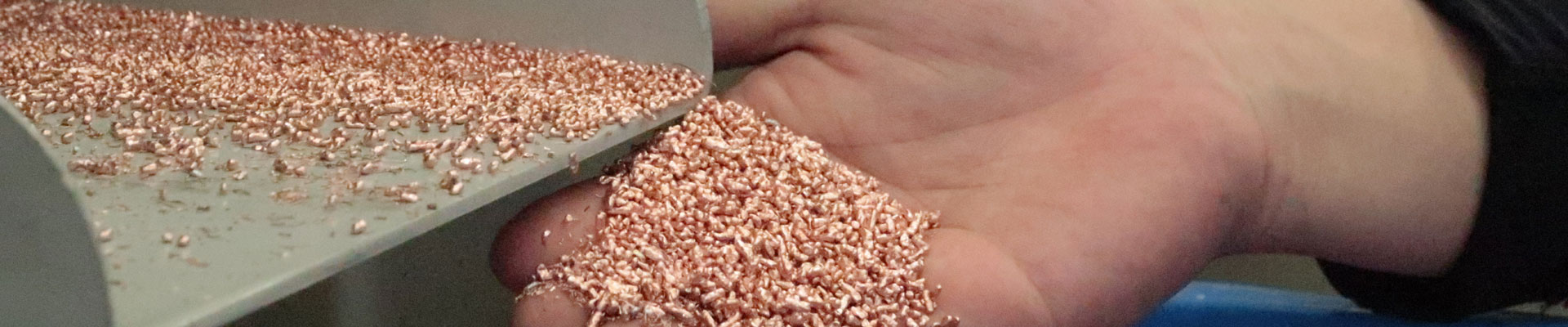
99.99% Scrap Copper Electrolytic Refining Plant
99.99% copper refers to copper material containing approximately 99.99% Cu, with only a very small proportion of other elements and impurities. This high-purity copper is commonly produced as electrolytic copper cathode through electrorefining. 99.99% Scrap Copper Electrolytic Refining Plant is designed to upgrade suitable scrap copper into high-purity cathode copper through a combination of scrap preparation, melting, anode casting, and electrolytic refining. Industrial electrorefining can produce cathode copper at 99.98% purity or higher, while properly controlled processes can achieve 99.99% copper purity.
Compared with ordinary mixed scrap, 99.99% copper offers excellent electrical conductivity, thermal conductivity, ductility, and processing performance. Therefore, a 99.99% Scrap Copper Electrolytic Refining Plant provides an effective way to transform lower-value copper-bearing scrap into a higher-value recyclable product. The recovered high-purity copper cathodes can then be used as raw materials for electrical, electronic, manufacturing, and other copper-processing industries.
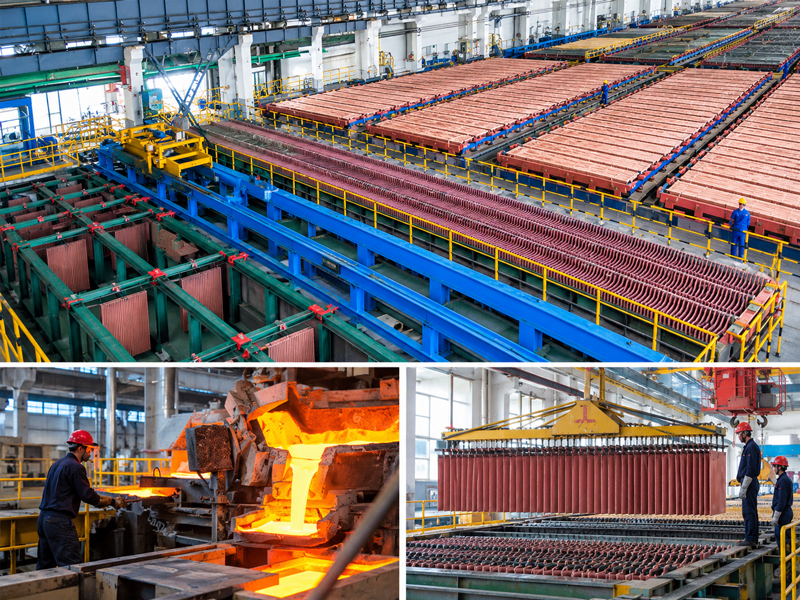
How to Turn Scrap Copper into 99.99% Copper?
A complete Scrap Copper Electrolytic Refining Plant normally requires several stages rather than putting untreated scrap directly into an electrolytic tank.
1. Scrap Copper Sorting and Preparation
The first step is to collect and classify scrap copper according to copper content, physical form, and impurity level. Copper wire, copper tubes, copper components, motor copper, and other copper-bearing materials can be processed differently.
Typical preparation equipment may include:
- Scrap copper sorting system
- Cable stripping or granulation equipment
- Shredder or crusher
- Magnetic separator
- Dust collection system
- Metal sorting equipment
The objective is to increase copper concentration and remove plastics, iron, aluminum, dirt, and other unwanted materials before metallurgical treatment.
2. Melting and Anode Preparation
For mixed or relatively impure copper scrap, the prepared material is normally melted and fire-refined before electrorefining. The refined molten copper is cast into suitable copper anodes. A commercial scrap copper recovery process can therefore combine scrap preparation, melting, fire refining, anode casting, and electrolytic refining.
This step is important because an electrolytic refining cell is designed to refine copper anodes rather than simply accept random pieces of scrap metal.
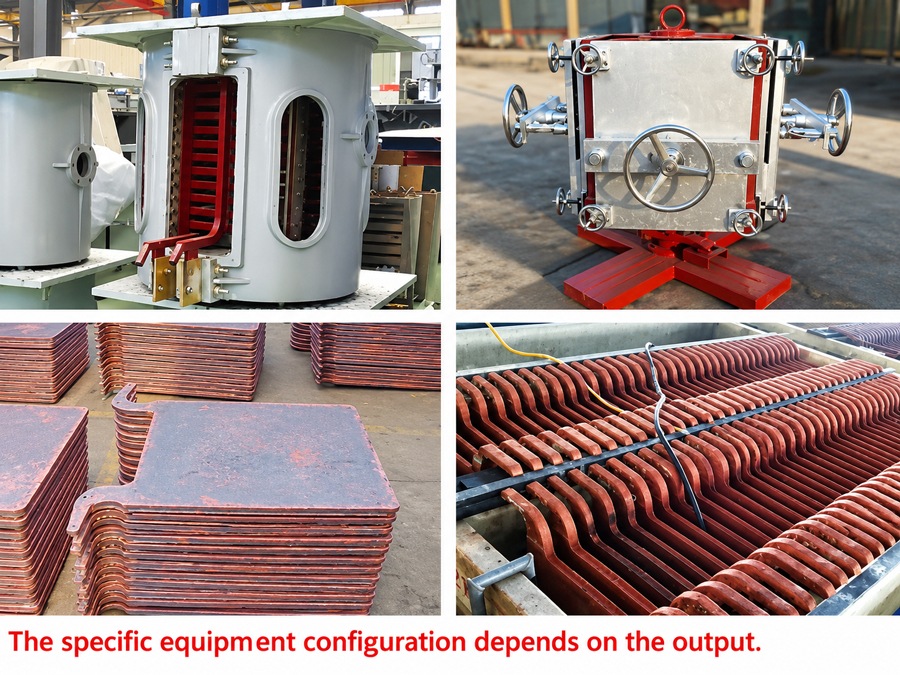
3. Copper Electrolytic Refining
The copper anodes are placed alternately with cathodes inside electrolytic refining tanks. The electrolyte mainly contains copper sulfate and sulfuric acid. When direct current is applied, copper from the impure anode dissolves into the electrolyte as copper ions and then deposits onto the cathode.
The basic reactions are:
Anode: Cu → Cu²⁺ + 2e⁻
Cathode: Cu²⁺ + 2e⁻ → Cu
Many unwanted elements behave differently from copper. Some remain in the electrolyte, while less soluble impurities can form anode slime at the bottom of the cell. Valuable elements such as silver and gold may be recovered from this residue in an appropriately designed plant.
4. Cathode Copper Harvesting and Processing
As electrolysis continues, copper gradually deposits onto the cathode. Industrial cathodes are removed after sufficient copper has accumulated, then washed, stripped, weighed, inspected, and packed. Commercial electrorefining cycles commonly operate over several days, with cathodes subsequently sold or melted and cast into other copper products.
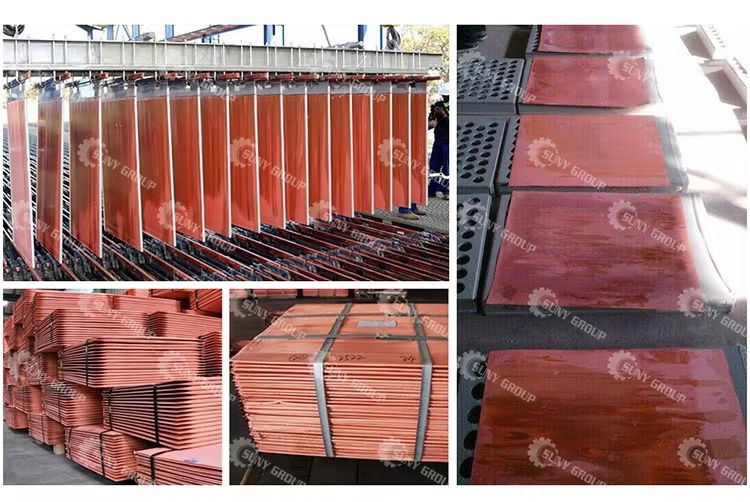
How to Build a Scrap Copper Electrolytic Refining Plant?
A practical 99.99% Scrap Copper Electrolytic Refining Plant should be designed according to raw-material composition, capacity, desired cathode purity, energy availability, and local environmental requirements.
A typical plant layout includes:
- Scrap copper receiving and sorting section
- Pre-treatment and impurity removal section
- Copper melting and fire-refining furnace
- Copper anode casting system
- Electrolytic refining tanks
- DC rectifier and electrical control system
- Electrolyte circulation and purification system
- Cathode stripping, washing, and collection system
- Anode slime collection and treatment system
- Wastewater, ventilation, and environmental protection equipment
Electrolyte purification is particularly important because soluble impurities can accumulate during continuous operation and negatively affect cathode quality.
What Is 99.99% Copper Used For?
The main advantage of 99.99% electrolytic copper is its combination of high electrical conductivity, ductility, thermal conductivity, and processability. It can be used for:
- Electrical wires and cables
- Motor windings
- Busbars and electrical components
- Copper tubes and plates
- Electronics and electrical equipment
- Copper alloys
- Plating materials
- Casting and further copper processing
Electrolytic copper with 99.99% or higher purity is commercially used in electrical wires, copper alloy products, plating materials, and other applications.
99.99% Scrap Copper Electrolytic Refining Plant provides a route for upgrading suitable scrap copper into high-value cathode copper. The complete process generally follows scrap sorting → pre-treatment → melting and fire refining → anode casting → electrolytic refining → cathode harvesting → quality inspection. By combining efficient scrap preparation with controlled electrorefining and electrolyte management, recycling companies can recover copper at high purity while also creating opportunities to recover valuable by-products from refining residues.