How to Remove PCB Electronic Components
Understanding how to remove PCB electronic components is crucial in modern e-waste recycling and electronics refurbishment. Printed Circuit Boards (PCBs) contain valuable components and metals, and efficient removal methods—especially the machine heating method—play a key role in improving recovery rates, reducing labor, and supporting sustainable recycling practices.
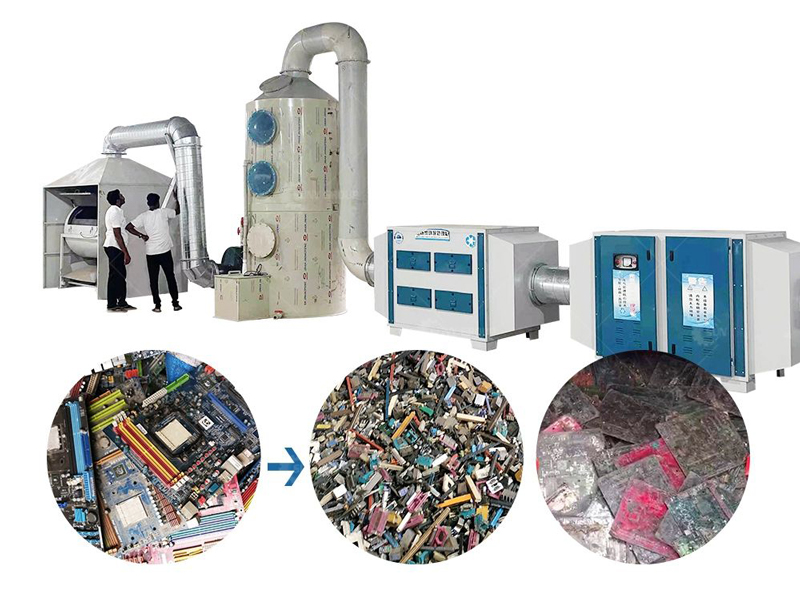
1. Why Remove PCB Electronic Components?
Removing components from PCBs is an essential step in both recycling and reuse processes.
Key Reasons
- Resource recovery: Components and metals such as copper, gold, and aluminum can be reclaimed
- Reuse of functional parts: Many electronic components remain usable after removal
- Improved recycling efficiency: Separating components simplifies downstream processing
- Environmental protection: Reduces hazardous waste and landfill pollution
2. Machine Heating Method for Component Removal
The machine heating method is widely used in industrial PCB recycling plants. It involves controlled heating to melt solder and separate components from the board.
Process Overview
- PCBs are fed into a heating chamber or furnace
- Temperature is raised to melt the solder (typically 200–300°C)
- Components detach from the board due to gravity or mechanical vibration
- Separated materials are collected for further processing
Equipment Used
- PCB heating machine or desoldering furnace
- Conveyor system for continuous feeding
- Temperature control system
- Exhaust gas treatment unit
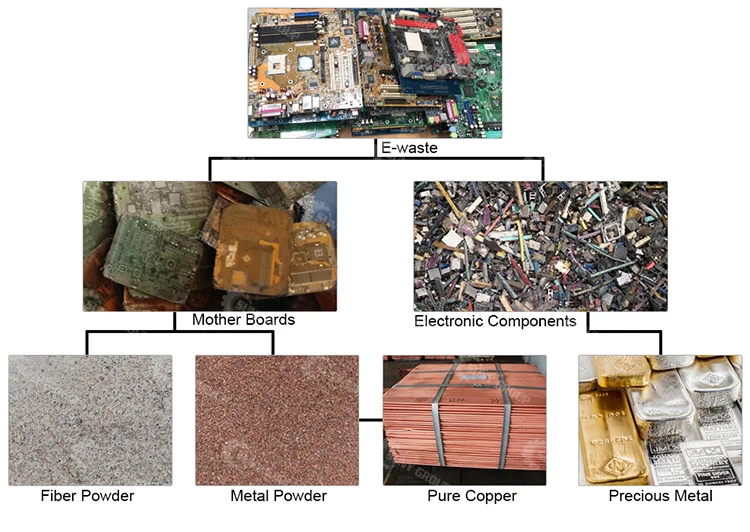
3. Applications of Removed Components and Motherboards
After removal, both electronic components and bare PCBs (motherboards) have valuable applications.
Removed Components
- Reuse in electronics repair and refurbishment
- Resale in secondary component markets
- Use in DIY and prototyping projects
Bare PCBs (Motherboards)
- Sent for metal recovery processes
- Crushed and separated into copper, resin, and fiberglass
- Used in refining industries for precious metal extraction
4. Advantages of the Machine Heating Method
Compared with manual or mechanical removal, this method offers several benefits:
Key Advantages
- High efficiency: Suitable for large-scale processing
- Labor saving: Reduces manual handling
- Consistent performance: Uniform heating ensures stable results
- High recovery rate: Minimizes material loss
- Automation compatibility: Easy integration into recycling lines
5. Environmental and Economic Benefits
- Reduces electronic waste pollution
- Enables recovery of high-value materials
- Lowers recycling costs through automation
- Supports circular economy development
The machine heating method is one of the most effective solutions for how to remove PCB electronic components in industrial recycling. By efficiently separating components and base boards, this method enhances material recovery, reduces environmental impact, and improves overall profitability. Investing in advanced PCB heating and separation technology is a smart step for businesses aiming to succeed in the growing e-waste recycling industry.