
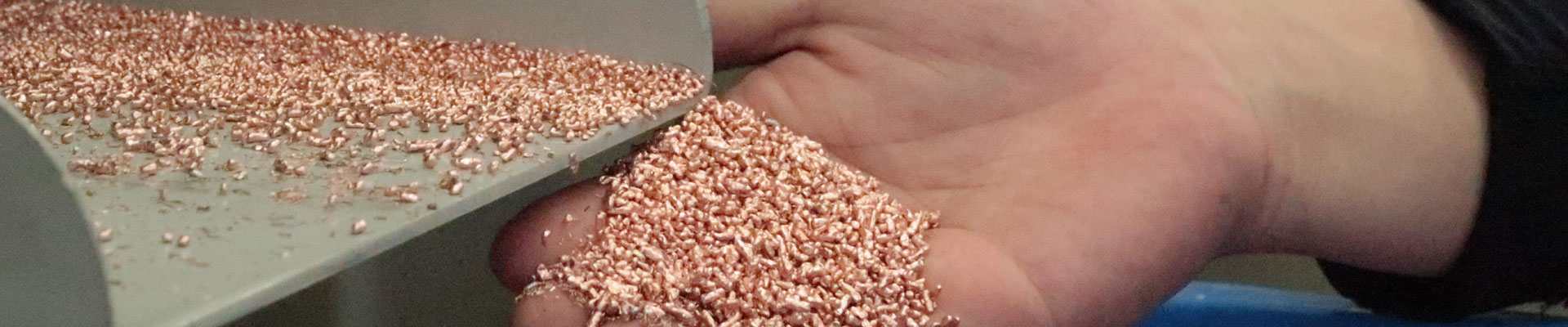
Plant to Recycle Car Batteries
With the rapid development of the automotive industry and electric vehicles, the number of end-of-life car batteries is increasing worldwide. Improper disposal of waste batteries can cause serious environmental pollution because they contain heavy metals, corrosive electrolytes, and other hazardous substances. Building a Plant to Recycle Car Batteries is an effective way to protect the environment, recover valuable resources, and create profitable business opportunities. But what types of car batteries can be recycled, what materials can be recovered, and how do you establish a suitable recycling plant?
1. What Types of Car Batteries Can Be Recycled?
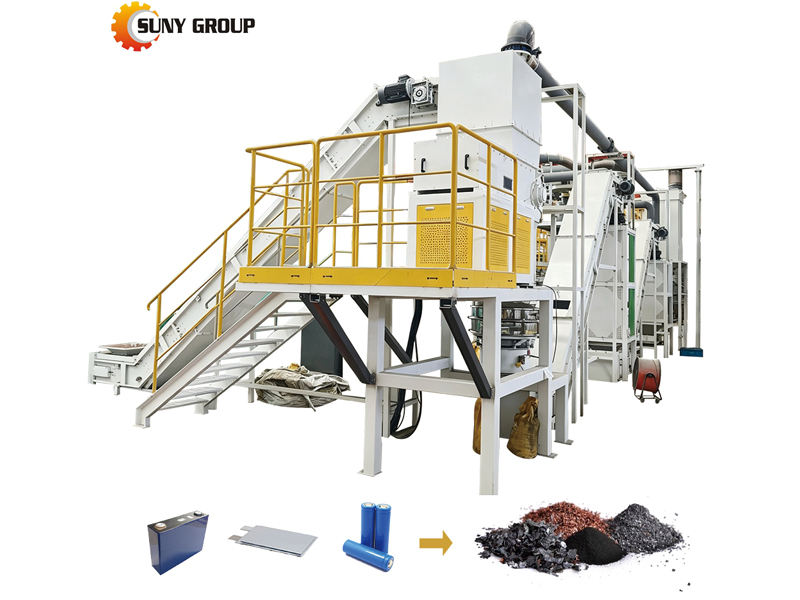
Different vehicles use different battery technologies. The main types include:
-
Lead-Acid Batteries: Commonly used in conventional gasoline and diesel vehicles for engine starting, lighting, and power supply.
-
Lithium-Ion Batteries: Widely used in electric vehicles (EVs) and plug-in hybrid vehicles. Common chemistries include LFP, NMC, and NCA.
-
Nickel-Metal Hydride (NiMH) Batteries: Mainly used in traditional hybrid electric vehicles (HEVs).
Each battery type has a different chemical composition and requires a corresponding recycling process.
2. What Valuable Materials Can Be Recovered?
Car battery recycling helps recover various reusable materials:
-
Lead-Acid Batteries: Lead, lead dioxide, polypropylene plastic, and sulfuric acid.
-
Lithium-Ion Batteries: Lithium, nickel, cobalt, manganese, copper, aluminum, graphite, and plastics.
-
NiMH Batteries: Nickel, cobalt, iron, and rare earth elements.
These recovered materials can be processed into secondary raw materials for industrial applications.
3. How to Build a Car Battery Recycling Plant?
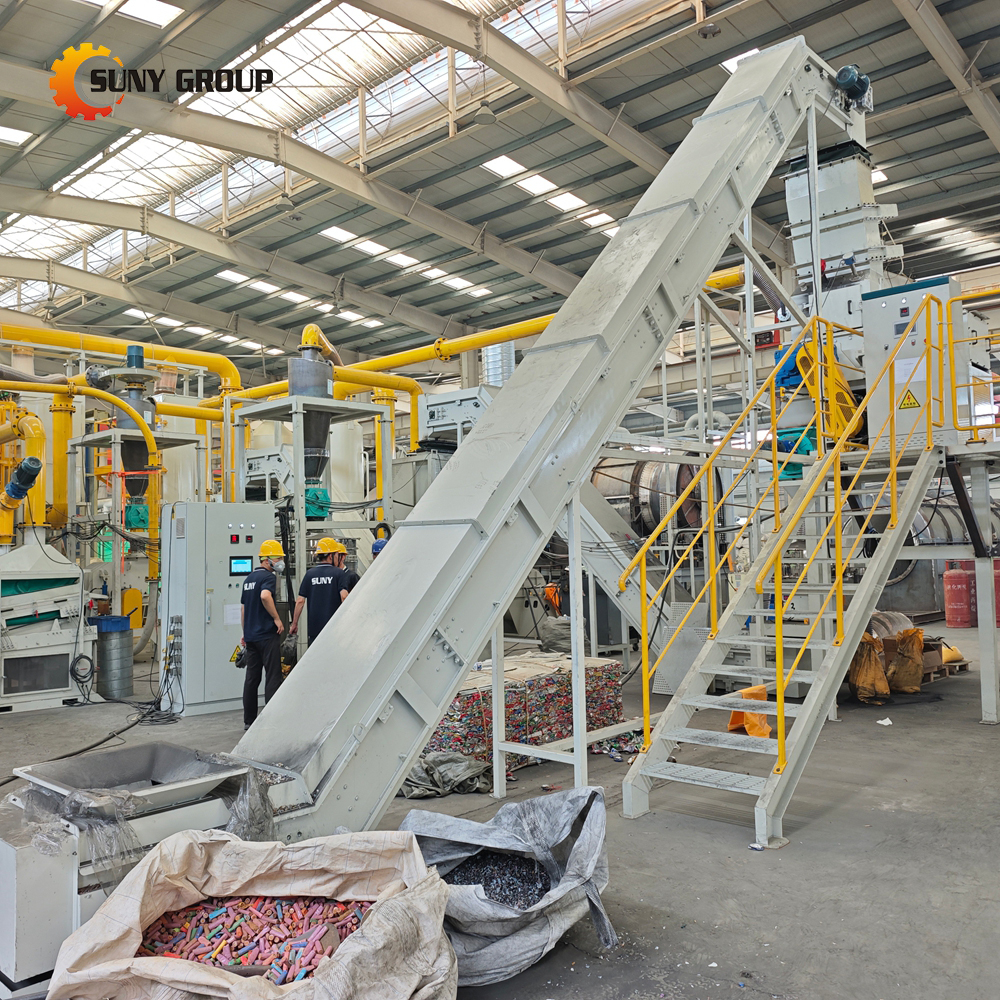
Building a complete car battery recycling plant requires selecting equipment according to battery types, processing capacity, and recovery targets.
A typical recycling project involves the following steps:
-
Battery Collection and Sorting: Collect waste batteries and classify them according to chemistry, size, and condition.
-
Battery Pretreatment: Perform safe discharging, dismantling, or acid drainage according to the battery type.
-
Crushing and Shredding: Use specialized crushers and shredders to break down battery components.
-
Material Separation: Apply screening, magnetic separation, gravity separation, and other technologies to recover different materials.
-
Deep Material Recovery: Use suitable smelting or hydrometallurgical processes to further recover valuable metals when required.
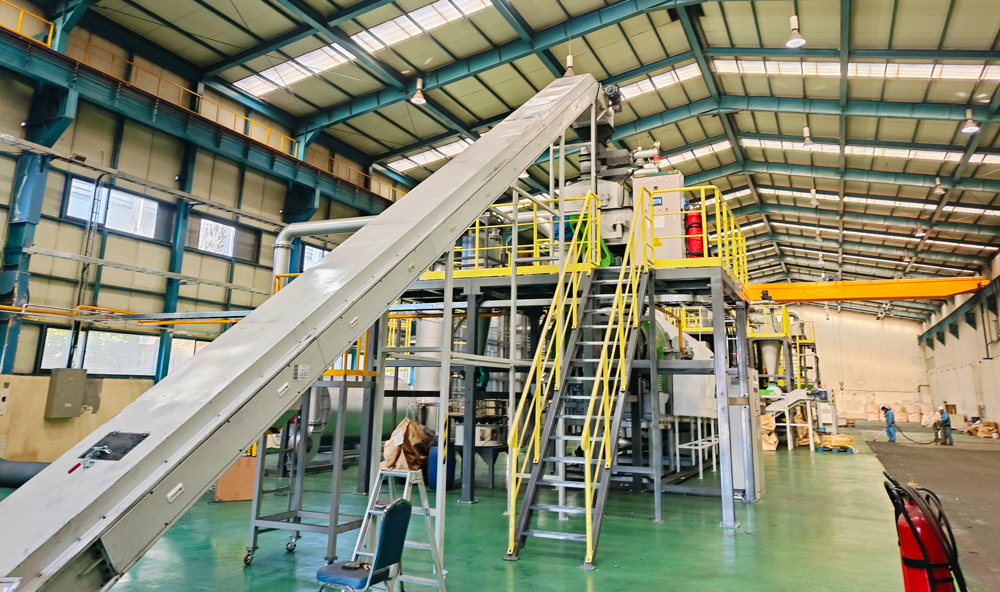
A professional recycling plant should also include fire prevention, ventilation, dust collection, and wastewater treatment systems.
4. Advantages of a Car Battery Recycling Plant
-
High Resource Recovery: Converts waste batteries into valuable secondary raw materials.
-
Environmental Benefits: Reduces hazardous waste disposal and the need for virgin material extraction.
-
Flexible Configuration: Recycling lines can be customized for different battery types and capacities.
-
Economic Potential: Generates revenue from recovered metals, plastics, and other recyclable materials.
5. Applications of Recycled Battery Materials
Recovered materials have extensive industrial applications:
-
Lead: New lead-acid batteries and lead-based products.
-
Lithium, Nickel, and Cobalt: New battery materials and energy storage systems.
-
Copper and Aluminum: Electrical cables, metal products, and manufacturing industries.
-
Plastics: Recycled plastic products and industrial applications.
-
Nickel and Rare Earth Metals: Alloy manufacturing and battery production.
Investing in a Plant to Recycle Car Batteries offers both environmental and economic benefits. The key to a successful project is identifying the battery types, selecting appropriate recycling technologies, and configuring efficient separation equipment. Working with an experienced battery recycling machine manufacturer helps you develop a customized solution with high recovery efficiency and reliable operation.