
E-Waste Recycling Business Start Up Cost
An e-waste recycling business focuses on collecting, dismantling, sorting, and recycling discarded electronic products such as computers, mobile phones, televisions, cables, refrigerators, and circuit boards. With the rapid growth of electronic consumption worldwide, millions of tons of electronic waste are generated every year.
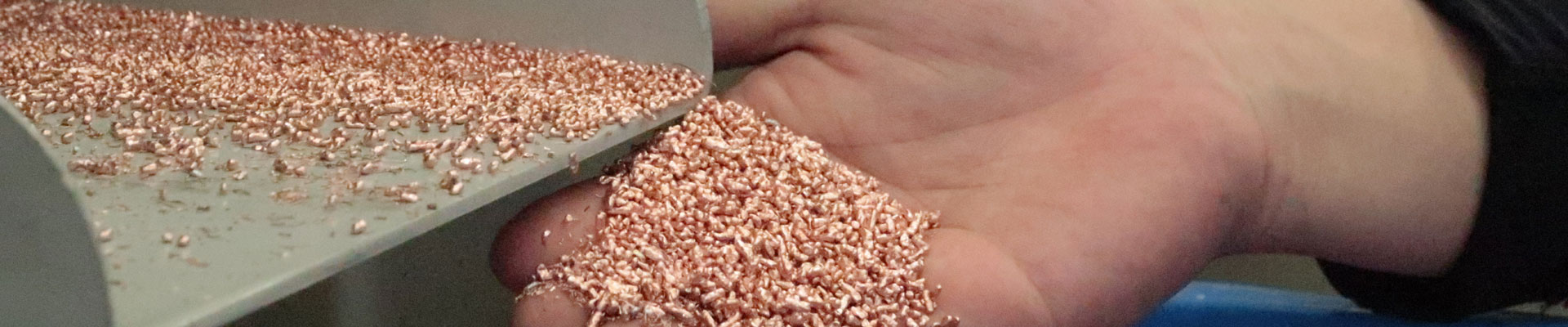
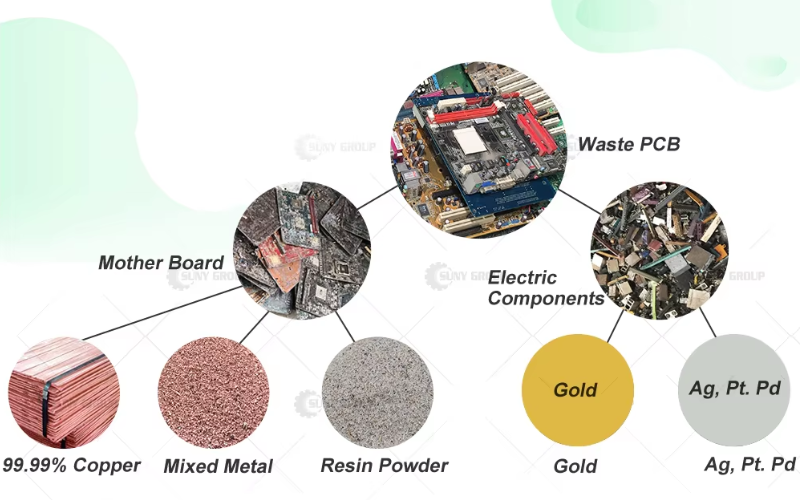
E-waste contains valuable recyclable materials including copper, aluminum, iron, gold, silver, plastics, and rare metals. Recycling these materials not only creates profits but also reduces environmental pollution and supports sustainable development.
Because of the increasing demand for recycled metals and environmental protection policies, the e-waste recycling industry has become a highly profitable investment sector.
1. Main Factors Affecting Start Up Costs
The e-waste recycling business start up cost depends on several important factors.
Key Investment Factors
- Processing capacity
- Factory size and location
- Degree of automation
- Type of recyclable materials
- Environmental protection systems
- Labor costs
- Electricity consumption
- Government licenses and permits
Estimated Cost Range
| Business Scale | Estimated Investment |
|---|---|
| Small Workshop | $10,000 – $50,000 |
| Medium Recycling Plant | $50,000 – $200,000 |
| Large Automated Plant | $300,000+ |
Small businesses usually start with manual dismantling and basic crushing equipment, while large plants require fully automated recycling lines.
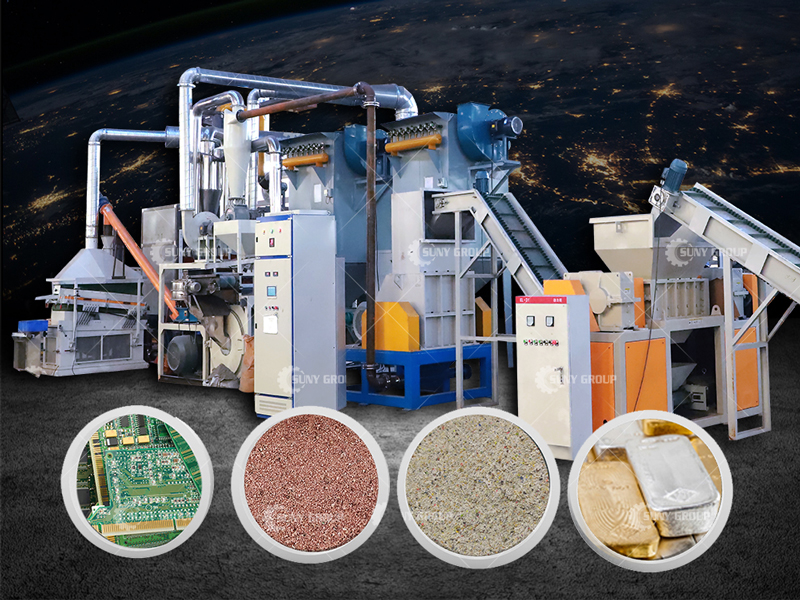
2. Essential E-Waste Recycling Equipment
Equipment is one of the biggest expenses in an e-waste recycling business.
Common Recycling Machines Include:
- E-waste shredders
- Hammer crushers
- Magnetic separators
- Eddy current separators
- Air separation systems
- PCB recycling machines
- Cable wire recycling machines
- Dust collection systems
Equipment Selection Tips
When choosing recycling equipment, investors should focus on:
- Processing efficiency
- Separation purity
- Energy consumption
- Machine durability
- Maintenance costs
- Environmental performance
High-quality machines can improve metal recovery rates and increase long-term profitability.
3. Factory, Labor, and Operating Expenses
Besides equipment costs, daily operating expenses are also important.
Main Operating Costs
Factory Rental
A recycling plant requires enough space for material storage, processing, and finished products.
Labor Costs
Workers are needed for:
- Material sorting
- Machine operation
- Maintenance
- Packaging
Utility Costs
Electricity consumption can be significant, especially for shredders and crushers.
Environmental Costs
Dust removal systems, wastewater treatment, and noise reduction equipment may be required to meet local environmental regulations.
Careful planning helps reduce unnecessary expenses and improve operational efficiency.
4. Profit Potential and Market Opportunities
The e-waste recycling industry offers strong profit opportunities because recycled metals have stable market demand.
Valuable Recyclable Materials
- Copper from wires and motors
- Aluminum from appliances
- Gold and silver from circuit boards
- Plastic materials for reuse
Recycled materials can be sold to:
- Metal smelters
- Plastic manufacturers
- Electronic component factories
- Industrial raw material suppliers
With proper management, many recycling businesses can recover investment costs within 1-3 years.
5. Tips to Reduce E-Waste Recycling Investment Costs
New investors can lower start up costs by following several strategies.
Cost-Saving Suggestions
- Start with small-capacity equipment
- Purchase multifunctional recycling machines
- Choose energy-saving systems
- Use semi-automatic production lines initially
- Source low-cost scrap materials locally
- Optimize factory layout for efficiency
Investing gradually allows businesses to expand safely while reducing financial risks.
Starting an e-waste recycling business requires careful planning, equipment selection, and cost control. Although the initial investment may vary depending on production scale and automation level, the growing demand for recycled metals makes the industry highly attractive.
With efficient recycling equipment, stable material sources, and good operational management, an e-waste recycling business can generate long-term profits while contributing to environmental protection and resource sustainability.