Automotive Shredder Residue (ASR) Recycling Plant
Automotive Shredder Residue (ASR) Recycling Plant processes waste from scrapped vehicles, separating plastics, metals, and fibers using advanced technologies, improving resource recovery efficiency and reducing landfill disposal while supporting sustainable recycling practices.
Automotive Shredder Residue (ASR) Recycling Plant is a specialized facility designed to process the leftover materials generated after end-of-life vehicles are shredded. These residues, commonly known as ASR or “auto shredder fluff,” contain a complex mix of plastics, rubber, foam, textiles, glass, and small metal fragments. Efficient recycling of ASR is essential to reduce landfill waste and improve overall resource recovery in the automotive recycling industry.
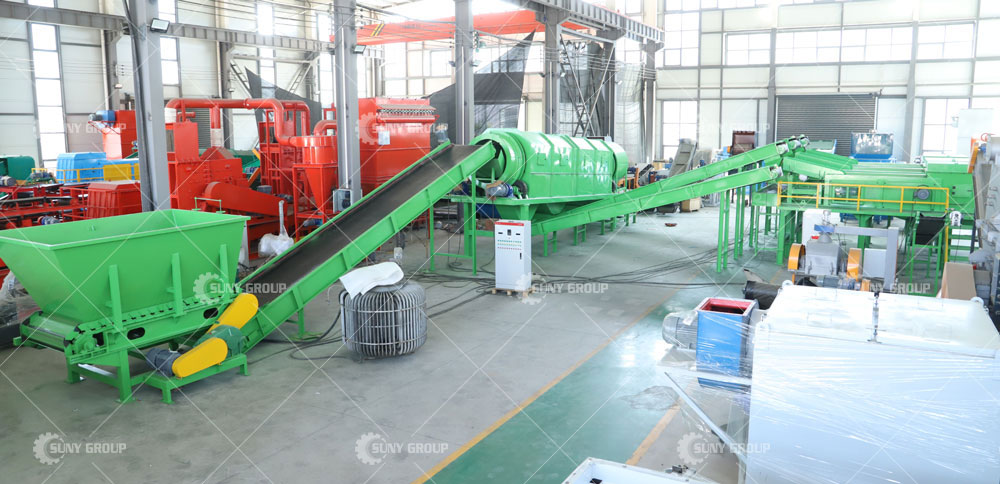
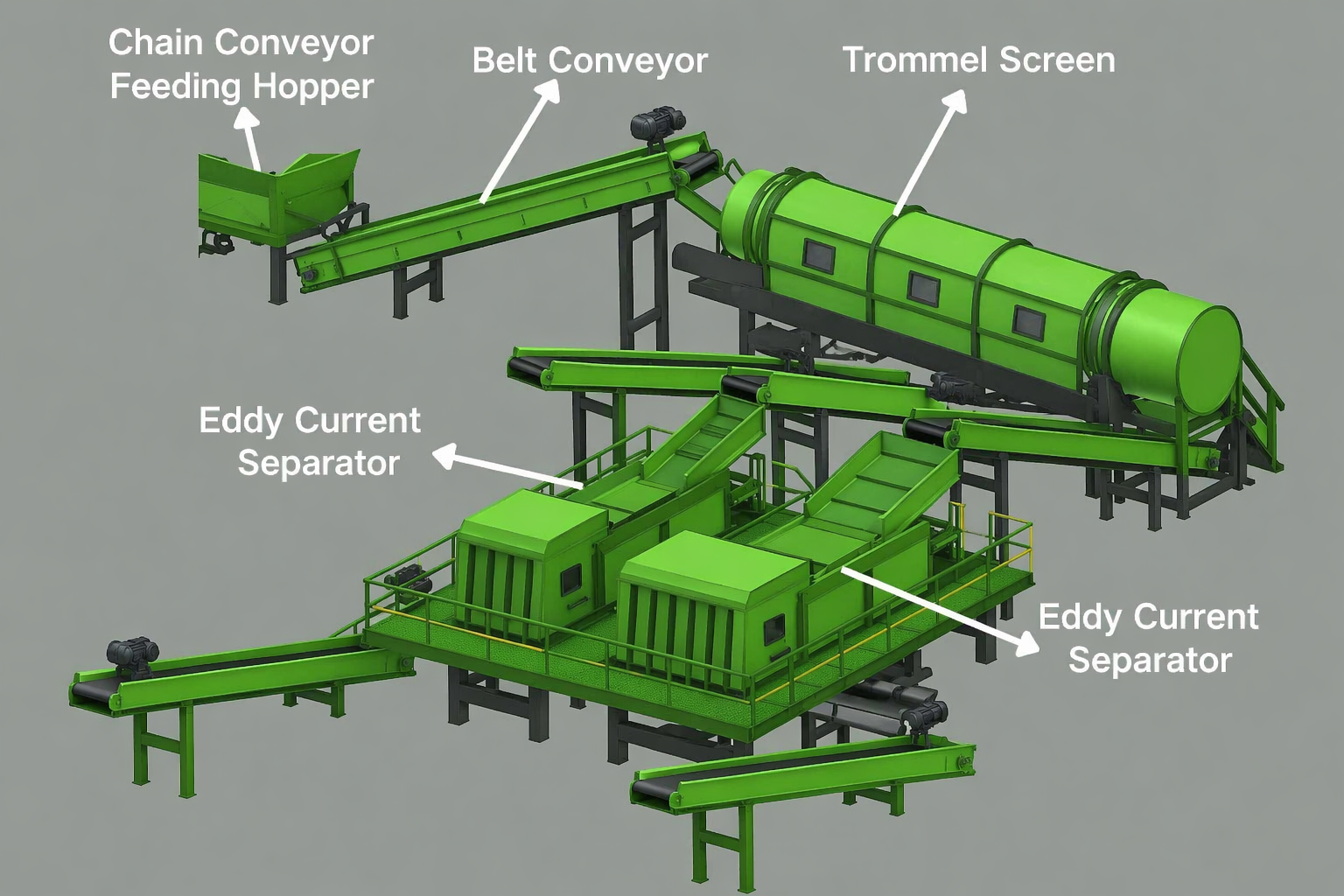
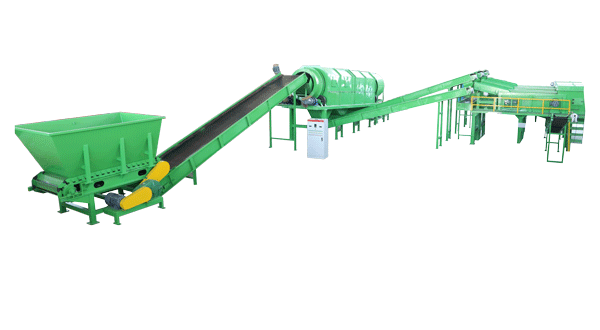
The working process of an ASR recycling plant typically involves multiple stages of separation and treatment. First, the material is fed into a shredding or crushing system to achieve uniform particle size. Then, advanced separation technologies such as magnetic separation, air classification, eddy current separation, and electrostatic separation are used to recover ferrous metals, non-ferrous metals, and lightweight materials. Each step is carefully designed to maximize recovery efficiency.
ASR recycling plants can recover a wide range of valuable materials. Metals such as copper, aluminum, and residual steel are extracted and reused in manufacturing industries. Additionally, certain plastics can be recycled or converted into alternative fuels, while other components like rubber and fibers may be processed for energy recovery. This significantly reduces environmental pollution and conserves natural resources.
Building an ASR recycling plant requires proper planning, including site selection, equipment configuration, and environmental compliance. Modern plants often integrate automation and dust control systems to ensure safe and efficient operation. As environmental regulations become stricter worldwide, investing in ASR recycling technology offers both economic benefits and long-term sustainability advantages
Raw Material
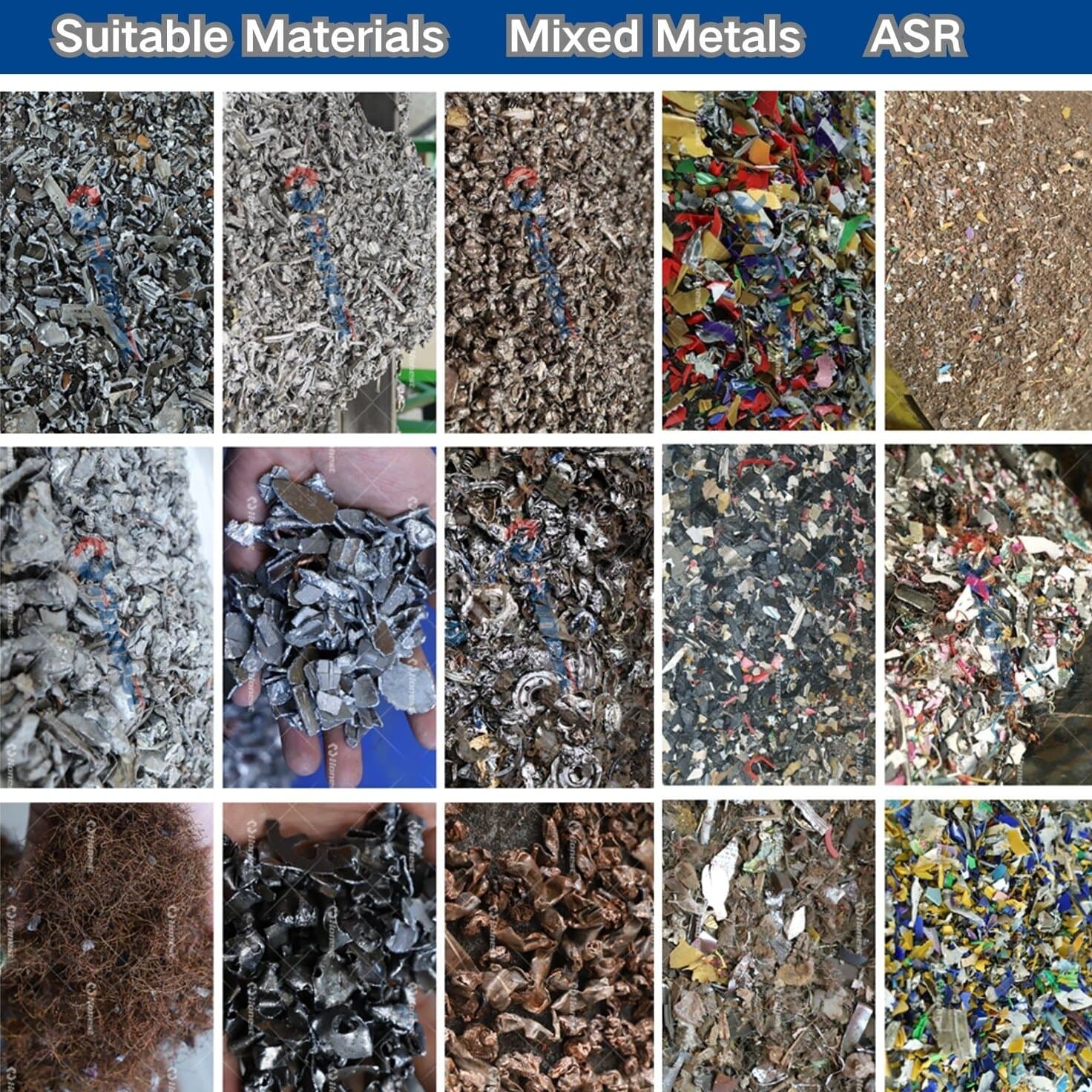
Automotive Shredder Residue (ASR), also known as auto shredder fluff, is the leftover material generated after end-of-life vehicles are shredded. It consists of mixed components such as plastics, rubber, foam, glass, textiles, and small metal fragments.
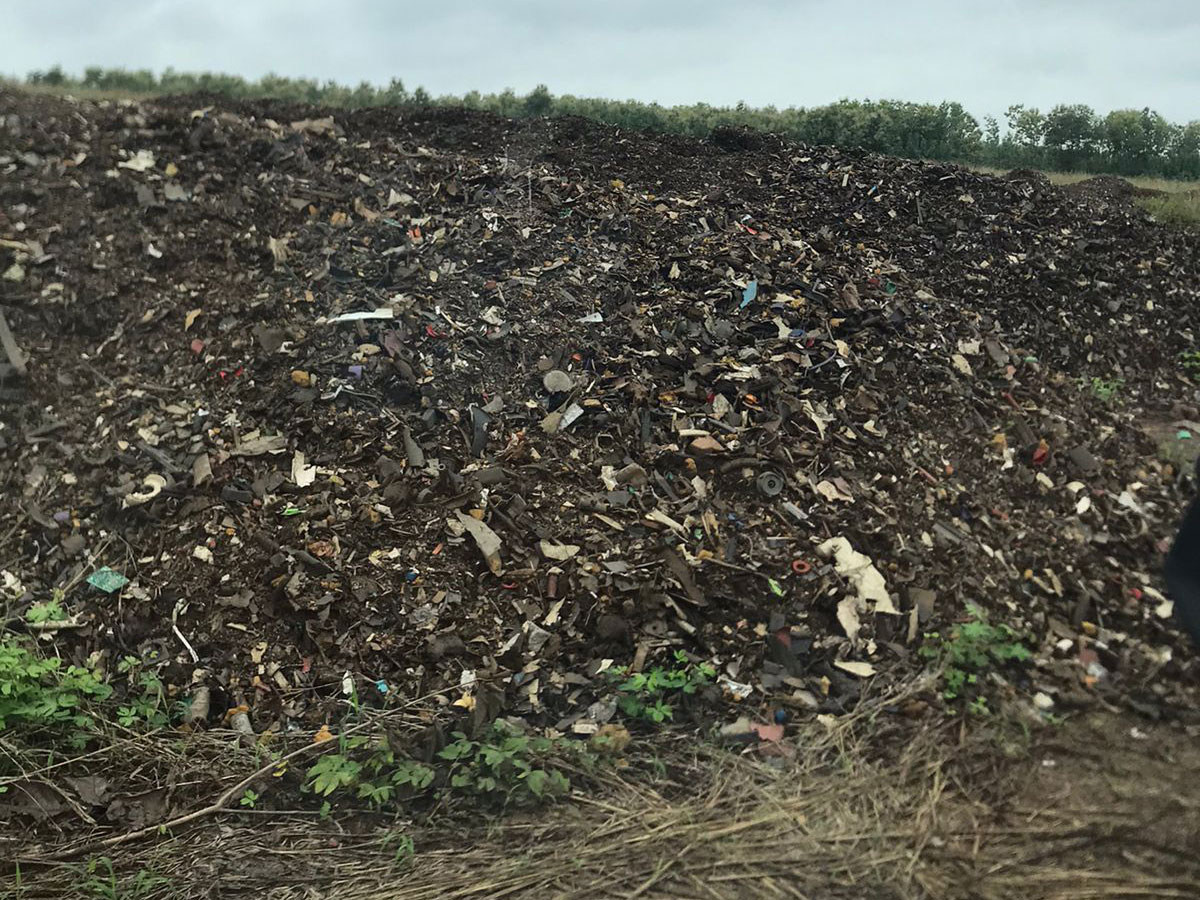
ASR Separating Recycling Line Product Usage / Application:
It processes ASR containing non-ferrous metals, stainless steel, plastics, rubber, glass, foam, and other light fractions left after initial ferrous metal separation. The system efficiently produces cleanly separated non-ferrous metals (copper, aluminum, zinc), stainless steel, and sorted non-metallic fractions for reuse or further processing.