
Wire Recycle Line for Copper
1. Definition of a Wire Recycle Line for Copper
A wire recycle line for copper is a complete recycling system designed to process scrap electrical wires and cables and recover high-purity copper. It is widely used in cable recycling plants, metal recycling facilities, and industrial waste treatment projects.
By efficiently separating copper conductors from plastic insulation, a wire recycle line for copper transforms waste cables into valuable secondary raw materials, supporting sustainable resource utilization.
2. Working Process of a Wire Recycle Line for Copper
The working process of a wire recycle line for copper starts with feeding mixed scrap wires into a shredding or crushing unit. The wires are reduced into small particles, allowing the copper core and insulation to be fully liberated.
After crushing, the material passes through granulation and screening stages to ensure uniform particle size. Air separation and electrostatic separation systems are then applied to separate copper granules from plastic materials.
This multi-stage process ensures high copper recovery rates while maintaining stable and continuous production performance.
3. Main Equipment in a Wire Recycle Line for Copper
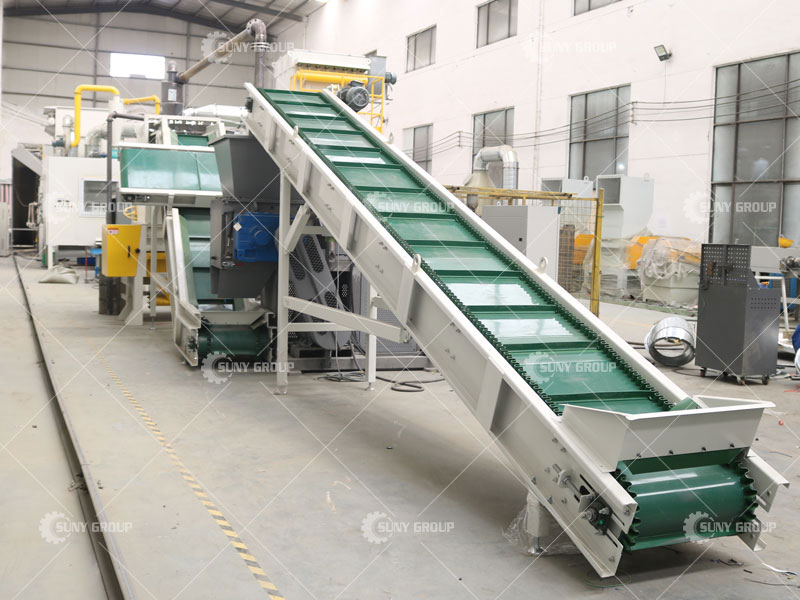
A standard wire recycle line for copper consists of several key machines, including wire shredders, crushers, granulators, vibrating screens, air separators, and electrostatic separators.
Magnetic separators are also integrated to remove any ferrous impurities, ensuring clean copper output. The entire system is connected by conveyors and controlled by an intelligent control panel, which simplifies operation and improves production stability.
All core equipment is manufactured with wear-resistant components to handle long-term processing of various cable types.
4. Advantages of a Wire Recycle Line for Copper
One major advantage of a wire recycle line for copper is its high separation accuracy, which enables the production of high-purity copper granules.
The system is designed for energy efficiency and low labor requirements, making it cost-effective for both small and large recycling operations.
In addition, the modular structure allows flexible configuration based on capacity, wire diameter, and material composition, ensuring wide adaptability to different recycling needs.
5. Output Materials and Applications
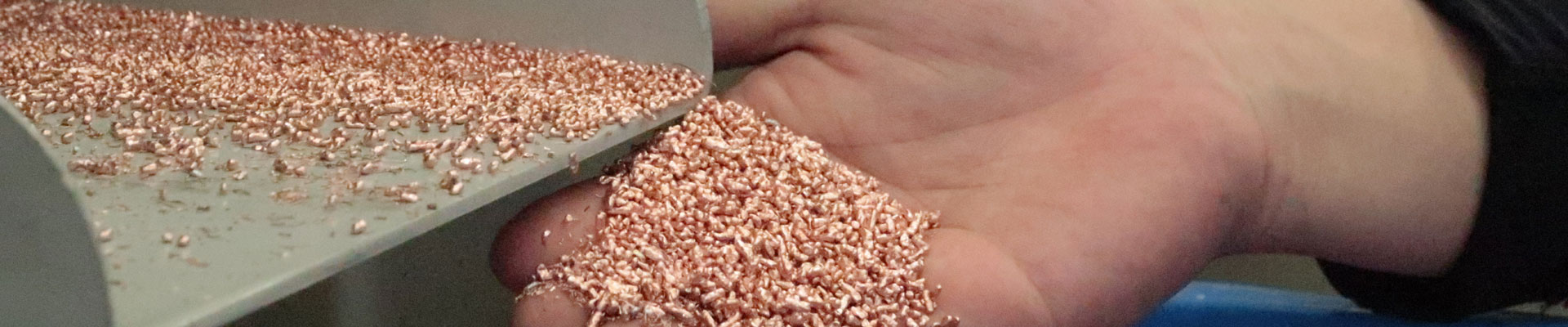
The output materials from a wire recycle line for copper mainly include copper granules and plastic particles.
Recovered copper can be directly sold to smelters or reused in cable manufacturing, electrical components, and metal processing industries. Plastic materials can be further recycled into pellets for secondary plastic products, increasing overall resource utilization.
6. Environmental and Economic Benefits
Wire recycle line for copper provides significant environmental and economic benefits. It reduces landfill waste, lowers pollution from traditional burning methods, and minimizes energy consumption compared with primary copper production.
At the same time, it generates stable revenue by converting scrap wires into high-value copper products, supporting the circular economy and long-term sustainability of recycling businesses.
Conclusion
A wire recycle line for copper is an efficient and reliable solution for copper wire recycling, delivering high recovery rates, environmental protection, and strong economic returns.