
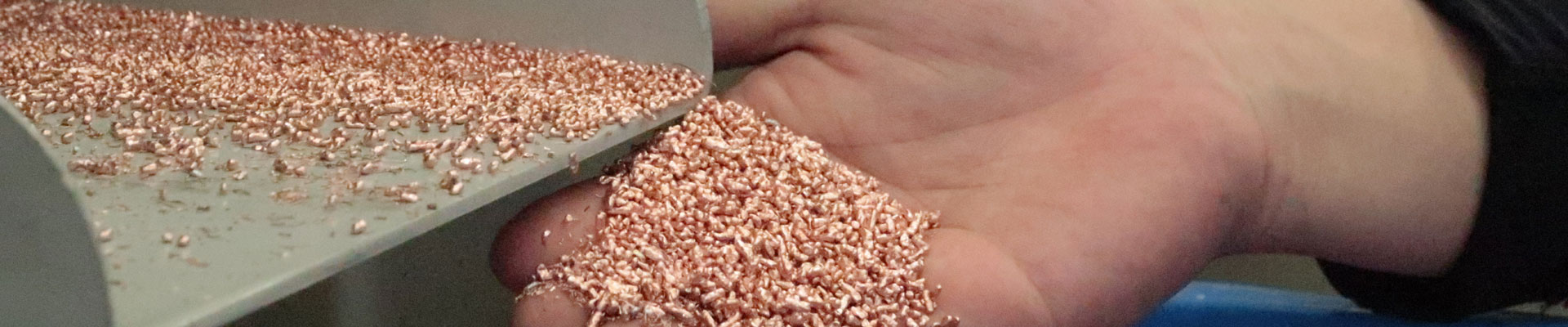
Waste Wire Recycling Line
Waste wire recycling line is a complete system designed to process discarded electrical wires and cables, separating metals from insulation materials efficiently. With the rapid growth of electrical infrastructure, consumer electronics, renewable energy systems, and electric vehicles, waste wire generation is increasing worldwide. Recycling waste wire not only reduces environmental pollution but also creates significant economic value, making waste wire recycling lines a highly profitable investment in the recycling industry.
Main Sources of Waste Wire
Waste wire comes from a wide range of industries and daily activities. Understanding the sources helps recycling companies secure stable raw material supply.
Major sources of waste wire include:
-
Power and Communication Cables – Decommissioned power grids, telecom networks, and fiber-optic cable upgrades.
-
Household Appliances – Refrigerators, air conditioners, washing machines, and other appliances contain large amounts of copper wire.
-
Electronic Waste (E-waste) – Computers, TVs, circuit boards, and small electronic devices.
-
Automotive and EV Industry – Vehicle wiring harnesses and electric vehicle cables.
-
Construction and Demolition Waste – Building renovation and demolition projects generate large quantities of scrap cables.
-
Industrial Equipment – Motors, generators, transformers, and factory machinery.
Value and Profit of Recycling Waste Wire
Recycling waste wire has strong economic advantages due to the high value of non-ferrous metals, especially copper and aluminum.
Recycling value highlights:
-
Copper Recovery Rate: Up to 99% purity with advanced recycling lines
-
Aluminum Recovery: Lightweight, high-demand secondary metal
-
Reduced Smelting Cost: Recycling uses far less energy than primary metal production
Profit advantages include:
-
Stable global demand for recycled copper and aluminum
-
High market prices for clean metal granules
-
Low operational cost after initial equipment investment
-
Fast return on investment for medium- and large-scale recycling plants
A well-designed waste wire recycling line can significantly improve material recovery efficiency and maximize profit margins.
Waste Wire Recycling Line Machine Configuration and Features
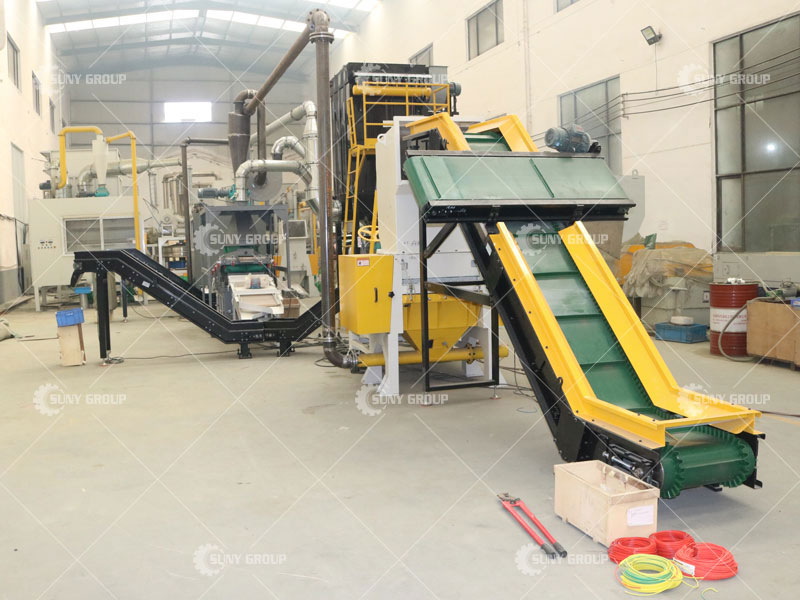
A modern waste wire recycling line is fully automated, safe, and environmentally friendly. The configuration can be adjusted based on wire diameter, capacity, and metal type.
Typical machine configuration includes:
-
Wire Feeding System – Manual or conveyor feeding for continuous operation
-
Wire Shredder or Granulator – Cuts wires into uniform particles
-
Crushing and Grinding Unit – Further liberates metal from plastic insulation
-
Air Separation System – Separates light plastic from heavy metal
-
Electrostatic Separator – Achieves high-purity metal separation
-
Dust Collection System – Ensures clean and compliant operation
Key features of waste wire recycling lines:
-
High metal separation accuracy
-
Low noise and low dust emission
-
Modular design for easy maintenance
-
Suitable for mixed cables and fine wires
-
Continuous, energy-efficient operation
Applications of Recycled Materials
After processing, the output materials from a waste wire recycling line can be reused across multiple industries.
Recycled metal applications:
-
Copper granules for wire drawing and cable manufacturing
-
Aluminum granules for automotive and construction industries
-
Alloy production and metal casting
Recycled plastic applications:
-
Plastic pellets for injection molding
-
Manufacturing of insulation materials and plastic products
-
Secondary raw materials for plastic processing plants
These recycled materials help close the resource loop and support sustainable manufacturing.
Waste wire recycling line plays a critical role in modern resource recovery by transforming discarded cables into valuable raw materials. With abundant waste wire sources, high recycling value, advanced machine configurations, and wide application of recycled outputs, investing in waste wire recycling offers both environmental and economic benefits. As global demand for copper and aluminum continues to grow, waste wire recycling lines will remain a key solution for sustainable development and long-term profitability.