
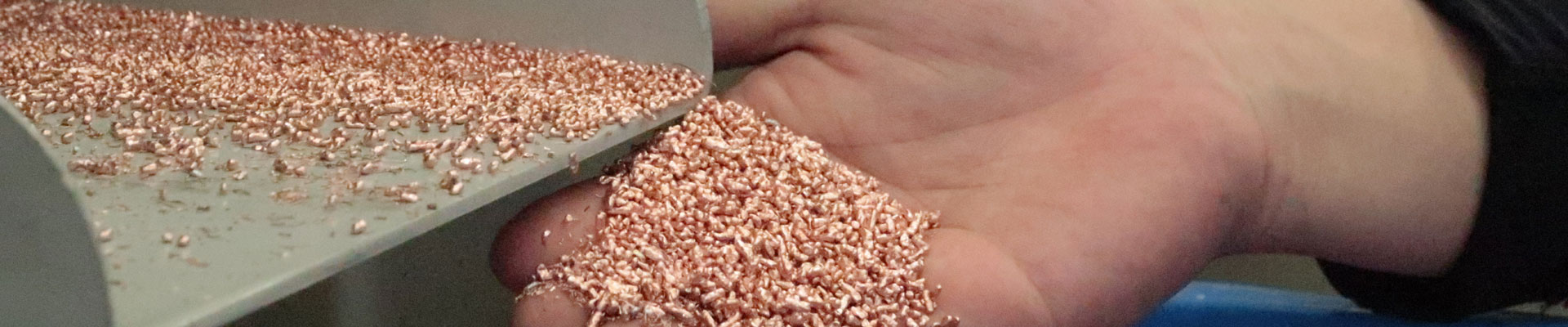
Scrap Copper Cable Stripper
Scrap copper cable stripper is an essential machine in the metal recycling industry, designed to separate copper conductors from their insulating layers. With the increasing demand for recycled copper and rising raw material prices, cable stripping has become a profitable and environmentally responsible recycling process. This article explains the purpose, working principle, suitable materials, selection criteria, and profitability of using a scrap copper cable stripper.
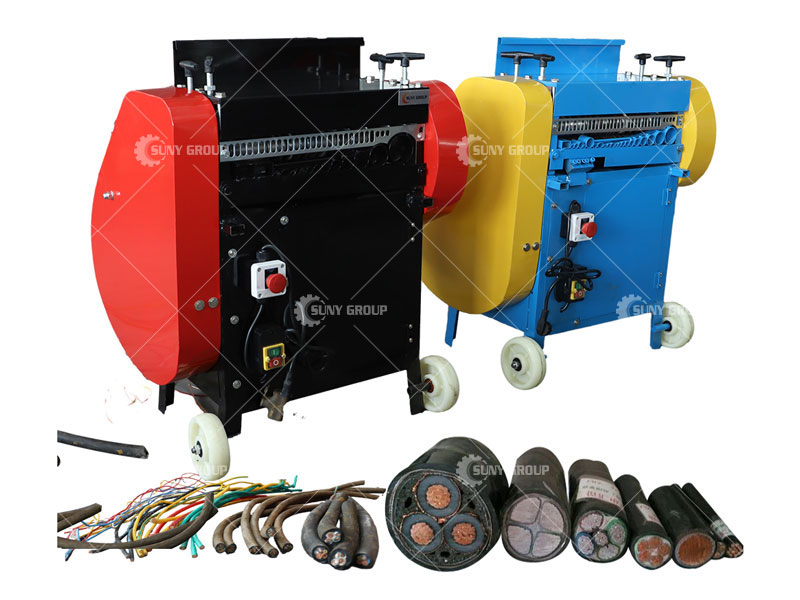
Definition and Purpose of a Scrap Copper Cable Stripper
Scrap copper cable stripper is a mechanical device used to strip insulation from electrical cables and wires without damaging the copper core. Its primary purpose is to improve copper recovery efficiency while reducing labor costs and processing time. Compared with manual stripping or burning methods, a cable stripper offers a cleaner, safer, and more sustainable solution.
By using a scrap copper cable stripper, recycling businesses can obtain clean copper with higher market value. The machine plays a critical role in maximizing resource utilization and supporting the circular economy in the metal recycling sector.
Working Principle of a Scrap Copper Cable Stripper
The working process of a scrap copper cable stripper is straightforward and highly efficient. Scrap cables are fed into the machine through a manual or automatic feeding system. Inside the machine, adjustable blades cut through the insulation layer precisely without damaging the copper conductor.
Once the insulation is slit, pressure rollers separate the plastic or rubber sheath from the copper core. The stripped copper and insulation are discharged separately, allowing easy collection and further processing. This mechanical stripping method ensures a high recovery rate and consistent output quality.
Suitable Raw Materials for Cable Stripping
A scrap copper cable stripper can process a wide range of cable materials, making it suitable for various recycling operations. Common raw materials include:
-
Household electrical wires
-
Industrial power cables
-
Communication and data cables
-
Automotive wiring harnesses
-
Single-core and multi-core copper cables
The machine can handle different cable diameters and insulation types, including PVC, rubber, and PE. This versatility allows recyclers to process mixed scrap cables efficiently.
How to Choose the Right Scrap Copper Cable Stripper
Selecting the right scrap copper cable stripper is essential for achieving optimal performance and long-term profitability. Important factors to consider include:
-
Supported cable diameter range
-
Blade adjustment accuracy
-
Processing capacity and speed
-
Level of automation
-
Durability and maintenance requirements
For small recycling workshops, manual or semi-automatic cable strippers may be sufficient. Large recycling plants benefit from fully automatic scrap copper cable strippers that offer higher throughput and reduced labor dependency.
Profitability and Cost Efficiency in Copper Recycling
Using a scrap copper cable stripper significantly increases the value of recycled copper. Stripped copper fetches a much higher market price than insulated scrap cables. By removing insulation efficiently, recyclers can reduce transportation costs and improve storage efficiency.
Operational costs for a scrap copper cable stripper are relatively low, mainly consisting of electricity and routine maintenance. With stable copper prices and growing demand for recycled metals, the return on investment for cable stripping equipment is often short. This makes the scrap copper cable stripper a cost-effective solution for both small-scale and industrial copper recycling businesses.
Scrap copper cable stripper is a vital tool for modern copper recycling operations. By understanding its purpose, working principle, material compatibility, selection criteria, and profitability, recyclers can significantly improve efficiency and revenue. Investing in the right scrap copper cable stripper ensures higher copper recovery rates, lower processing costs, and long-term sustainability in the recycling industry.