
Scrap Compressor Dismantling and Cutting Machine
The scrap compressor dismantling and cutting machine is an essential solution for recycling end-of-life compressors from household and commercial appliances. As the global volume of discarded refrigeration equipment continues to increase, efficient dismantling and cutting of scrap compressors have become critical for resource recovery, environmental protection, and economic returns. This article explains why scrap compressors must be dismantled, introduces dismantling and cutting machines, describes the working process, and highlights the condition and applications of recovered materials.
1. Why Scrap Compressors Need to Be Dismantled
Scrap compressors are sealed units containing valuable metals, oil, and mechanical components. Dismantling is necessary for the following reasons:
-
Recovery of high-value materials, especially copper windings and steel shells
-
Separation of compressor oil for compliant treatment or reuse
-
Safe handling of residual refrigerants
-
Improved recycling efficiency compared with manual breaking
-
Compliance with environmental and WEEE recycling regulations
Without professional dismantling and cutting equipment, compressors are difficult to process safely and efficiently.
2. Introduction to Scrap Compressor Dismantling and Cutting Machines
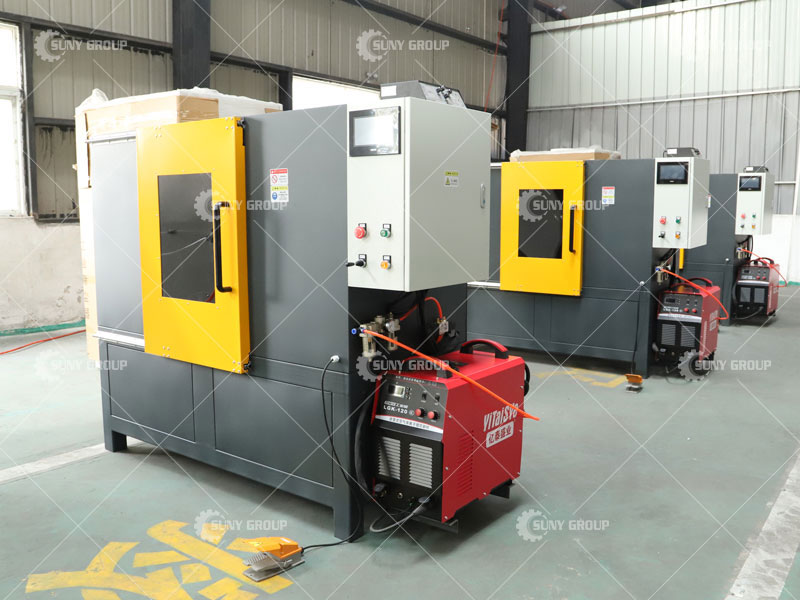
A scrap compressor dismantling and cutting machine is designed to open the sealed compressor housing and separate internal components. Depending on capacity and automation level, these machines can be classified as:
-
Manual or semi-automatic dismantling machines
-
Automatic compressor shell cutting machines
-
Integrated dismantling and cutting lines with oil collection systems
Key components of these machines typically include a clamping unit, cutting system, hydraulic or servo drive, oil drainage system, and safety enclosure.
3. Working Process of Scrap Compressor Dismantling and Cutting
The dismantling and cutting workflow of a scrap compressor usually follows a standardized sequence:
1.Scrap compressor feeding and positioning
2.Secure clamping of the compressor shell
3.Shell cutting using a rotating blade or hydraulic cutting tool
4.Opening of the steel housing to expose internal components
5.Removal of copper windings, motor parts, and steel pieces
6.Collection of compressor oil and residual fluids
This controlled process ensures high material recovery and safe operation.
4. Condition of Materials After Dismantling
After processing with a scrap compressor dismantling and cutting machine, the materials are separated into clean and recyclable fractions:
-
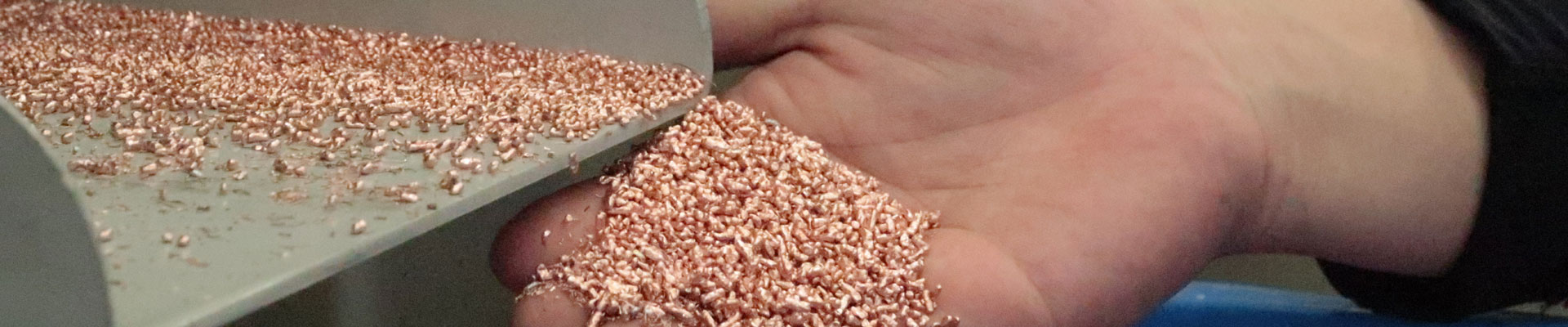
Copper windings: largely intact, suitable for direct sale or further granulation
-
Steel shells: cut into manageable pieces for scrap steel recycling
-
Aluminum components: separated for secondary metal processing
-
Compressor oil: collected and sent for refining or compliant disposal
The improved material purity increases market value and reduces downstream processing costs.
5. Applications of Recovered Materials
The dismantled materials from scrap compressors are widely reused in various industries:
-
Copper is reused in electrical cables, motors, and transformers
-
Steel is remelted for construction and industrial manufacturing
-
Aluminum is reused in casting and automotive industries
-
Recovered oil is treated or reused as industrial lubricant
These applications support circular economy development and reduce dependence on raw material mining.
6. Economic and Environmental Benefits
Investing in a scrap compressor dismantling and cutting machine offers multiple benefits:
-
Higher copper recovery rates and profits
-
Reduced labor intensity and operational risk
-
Compliance with environmental regulations
-
Sustainable and scalable recycling operations
With the increasing replacement of refrigeration appliances worldwide, scrap compressor dismantling has become a profitable and environmentally responsible business.