
Refrigerator Recycling Plant
Refrigerator recycling plant plays a critical role in modern waste management and circular economy systems. As the number of discarded household appliances continues to rise worldwide, refrigerator recycling has become increasingly important due to environmental regulations, resource recovery value, and economic benefits. Refrigerators contain a wide range of recyclable materials, making them one of the most valuable waste appliances to process.
1. Recycling Value of Refrigerators
Refrigerators are high-value recyclable products because they contain multiple reusable materials and hazardous substances that must be properly treated. The main recycling value includes:
-
Metal recovery: Refrigerators contain large amounts of steel, copper, and aluminum, which have stable market demand and high recycling value.
-
Plastic recycling: Inner liners, drawers, and outer panels are made from recyclable plastics such as ABS and PS.
-
Environmental protection: Refrigerants and foaming agents inside refrigerators can damage the ozone layer and contribute to global warming if not handled correctly.
-
Regulatory compliance: Many countries require proper treatment of waste refrigerators under WEEE and environmental protection laws.
These factors make refrigerator recycling both environmentally necessary and economically profitable.
2. Overview of Refrigerator Recycling Plant
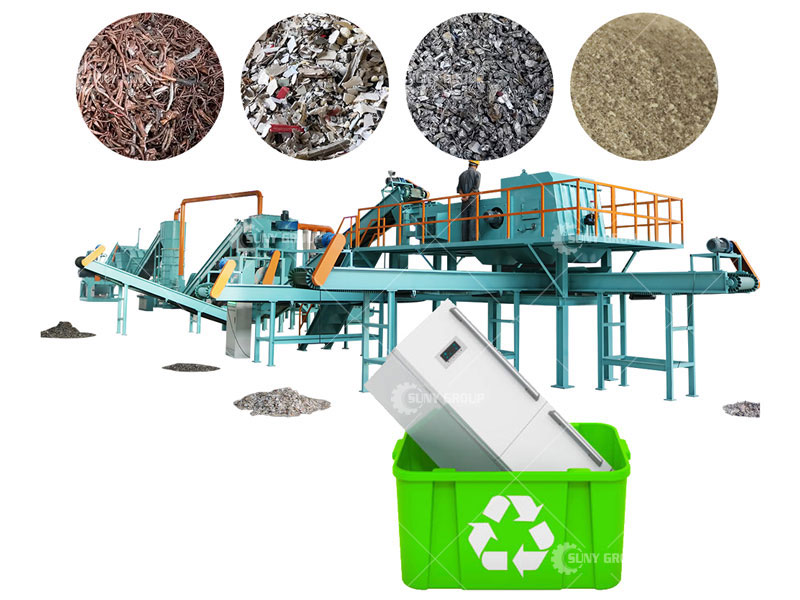
Refrigerator recycling plant is a complete processing system designed to safely dismantle, crush, and separate refrigerator components. The goal is to maximize material recovery while minimizing environmental impact. A modern refrigerator recycling plant is typically automated, energy-efficient, and designed for continuous operation.
3. Configuration of a Refrigerator Recycling Line
A complete refrigerator recycling line usually consists of the following equipment:
-
Manual or semi-automatic dismantling station
Used to remove compressors, shelves, cables, and electronic components. -
Refrigerant extraction system
Safely collects refrigerant gases and foaming agents to prevent environmental pollution. -
Shredding or crushing system
Breaks the refrigerator body into smaller pieces for further separation. -
Magnetic separation system
Separates ferrous metals such as steel. -
Eddy current separator
Recovers non-ferrous metals like aluminum and copper. -
Air separation and screening system
Separates plastics, foam, and light materials.
This configuration ensures high recovery efficiency and stable processing capacity.
4. Advantages of a Refrigerator Recycling Plant
Investing in a refrigerator recycling plant offers several key advantages:
-
High automation level, reducing labor costs and improving safety
-
High material recovery rate, increasing overall profitability
-
Environmentally friendly operation, compliant with international standards
-
Flexible capacity design, suitable for small, medium, or large-scale recycling plants
-
Stable long-term returns, supported by growing appliance recycling demand
These advantages make refrigerator recycling plants attractive for recycling companies and investors.
5. Recycled Materials and Their Applications
After processing in a refrigerator recycling plant, the recovered materials can be reused in various industries:
-
Steel: Used in construction, machinery manufacturing, and metal fabrication
-
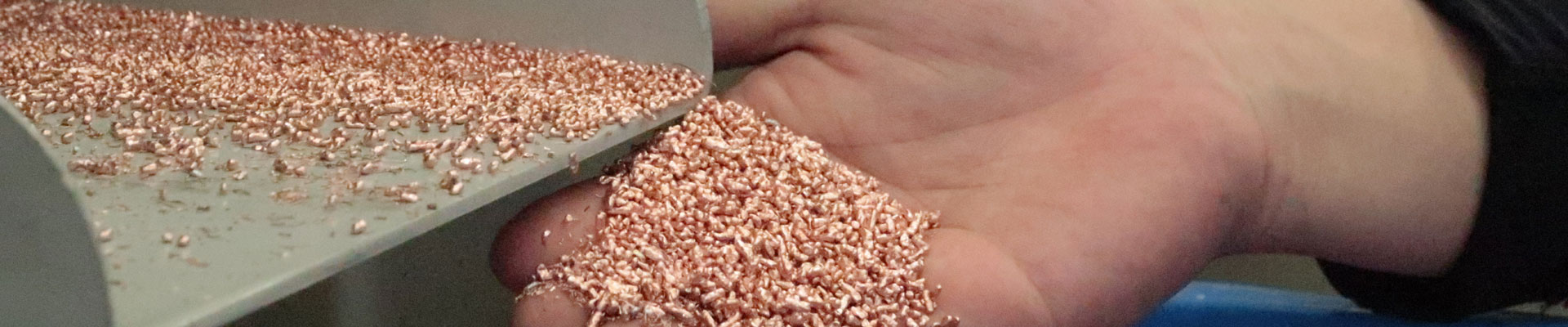
Copper: Reused in electrical wiring, motors, and industrial equipment
-
Aluminum: Applied in automotive parts, packaging, and building materials
-
Plastics: Reprocessed into new plastic products or industrial components
-
Foam materials: Treated and reused as alternative fuel or insulation materials
These applications highlight the strong market demand for recycled refrigerator materials.
6. Recovery Rate and Economic Benefits
A well-designed refrigerator recycling plant can achieve a material recovery rate of over 90%, depending on technology and operation standards. High recovery efficiency directly improves economic returns by maximizing the value of recycled outputs while reducing disposal costs.
Refrigerator recycling plant is an essential solution for managing waste household appliances in an environmentally responsible and economically viable way. With high recycling value, advanced processing line configuration, and wide application of recovered materials, refrigerator recycling represents a sustainable business opportunity. As global appliance waste continues to grow, refrigerator recycling plants will play an increasingly important role in resource recovery and environmental protection.