
Lithium Ion Battery Recycling Project
Lithium ion battery recycling project is critical due to the rapid expansion of electric vehicles, energy storage systems, and consumer electronics. As battery usage increases, large volumes of end-of-life lithium ion batteries are generated every year. Improper disposal can cause serious environmental pollution, fire hazards, and resource waste.
Lithium ion batteries contain toxic electrolytes and reactive metals that may leak into soil and water. At the same time, they hold valuable strategic resources that are increasingly scarce. Recycling not only reduces environmental risks but also supports a circular economy by reintroducing recovered materials into industrial supply chains.
Valuable Materials Contained in Lithium Ion Batteries
Lithium ion batteries are often referred to as “urban mines” because of their high metal content. Recovering these materials is the core economic driver of a lithium ion battery recycling project.
High-value recyclable materials include:
-
Lithium – Used for new cathode materials and battery production
-
Cobalt – High market value and strong global demand
-
Nickel – Essential for high-energy-density batteries
-
Manganese – Widely applied in cathode chemistry
-
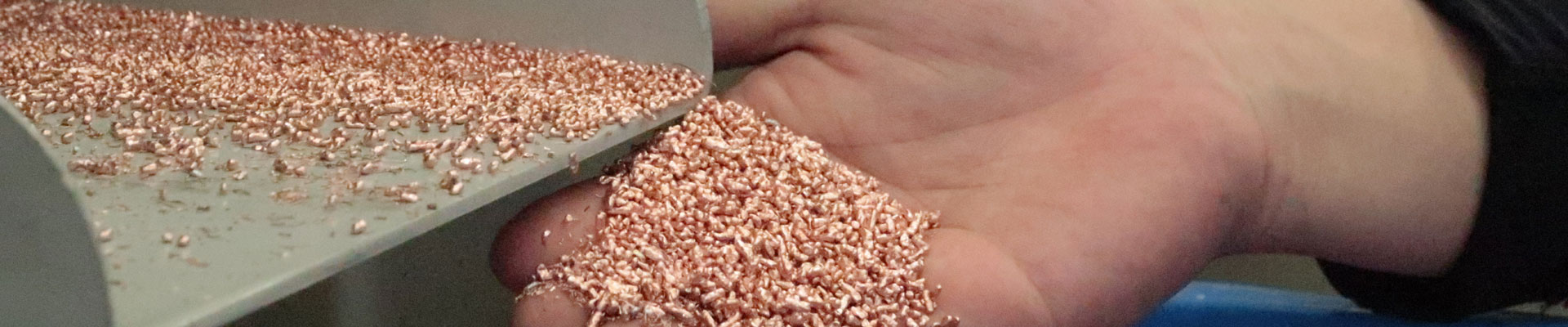
Copper – Found in current collectors and wiring
-
Aluminum – From battery shells and electrode foils
-
Graphite – Anode material reused in multiple industries
Efficient recovery of these materials significantly improves project profitability.
Recycling Process Flow of a Lithium Ion Battery Recycling Project
A standard lithium ion battery recycling project follows a systematic and safe process to maximize recovery efficiency.
Typical recycling process flow:
-
Battery discharge and pre-treatment
-
Automatic dismantling or module separation
-
Crushing and shredding under controlled conditions
-
Physical separation of metals and plastics
-
Collection of black mass powder
-
Further refining or chemical processing (optional)
This structured process ensures high recovery rates while minimizing safety risks.
Machine Configuration and Technical Equipment
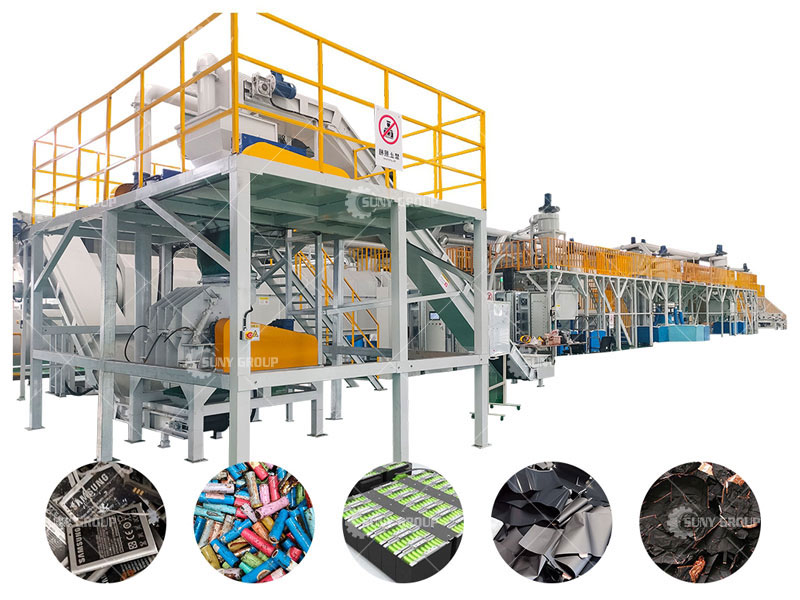
The success of a lithium ion battery recycling project depends heavily on its machine configuration. Equipment is selected based on battery type, capacity, and automation level.
Common machine configuration includes:
-
Battery discharge system
-
Automatic battery dismantling machine
-
Industrial shredder or crusher
-
Magnetic separator
-
Air separation and screening system
-
Black mass collection system
-
Dust removal and gas treatment system
These machines work together to ensure stable operation, high purity output, and environmental compliance.
Applications of Recycled Materials and Downstream Industries
The recovered materials from a lithium ion battery recycling project are widely reused across multiple sectors.
Main application industries include:
-
Lithium ion battery manufacturing
-
Electric vehicle and energy storage systems
-
Metallurgy and alloy production
-
Electronics and electrical equipment manufacturing
-
Chemical and material processing industries
Recycled materials reduce dependence on primary mining and help stabilize raw material supply chains.
A well-designed lithium ion battery recycling project plays a vital role in addressing battery waste challenges while creating strong economic returns. By focusing on valuable material recovery, efficient recycling processes, advanced machine configurations, and wide downstream applications, lithium ion battery recycling has become a key industry supporting sustainable development and long-term resource security.