
Lithium Ion Battery Recycle Machine
With the rapid expansion of electric vehicles, renewable energy storage, and consumer electronics, retired lithium-ion batteries are increasing at an unprecedented rate. As a result, the lithium ion battery recycle machine has become a critical solution for waste management, resource recovery, and sustainable industrial development.
Why Are Retired Lithium-Ion Batteries Increasing Rapidly?
The growing number of obsolete lithium-ion batteries is driven by several factors:
-
Short battery life cycle
Lithium-ion batteries typically last 3–8 years, depending on usage. EV power batteries degrade faster due to frequent charging and discharging. -
Explosive growth of electric vehicles (EVs)
Large-scale EV adoption worldwide has created massive volumes of end-of-life power batteries. -
Technology upgrades
Continuous improvements in battery energy density and safety accelerate the replacement of older battery models. -
Strict environmental regulations
Governments increasingly restrict landfill and incineration of lithium batteries due to fire and pollution risks.
These factors make lithium battery recycling not only necessary but inevitable.
Recycling Value and Profit of Lithium-Ion Batteries
Lithium-ion batteries contain high-value metals, making recycling economically attractive.
Key recoverable materials include:
-
Lithium
-
Cobalt
-
Nickel
-
Manganese
-
Copper
-
Aluminum
-
Graphite
Economic Advantages
-
High metal recovery value: Cobalt and nickel prices remain strong in global markets
-
Reduced raw material dependency: Recycling lowers reliance on mining
-
Stable profit margins: Mature recycling processes ensure predictable output quality
With optimized processing, lithium battery recycling plants can achieve high ROI and long-term profitability, especially in regions with strong EV penetration.
Lithium Ion Battery Recycle Machine Introduction
A lithium ion battery recycle machine is designed to safely dismantle, crush, separate, and refine spent batteries while minimizing environmental impact.
Core Machine Functions
-
Battery discharge system – Eliminates residual electricity for safety
-
Dismantling and crushing unit – Breaks battery packs into smaller components
-
Physical separation system – Separates metals, plastics, and black mass
-
Dust and gas control system – Ensures safe and clean operation
Advanced machines emphasize automation, safety protection, and high recovery efficiency.
Lithium Battery Recycling Production Line Configuration
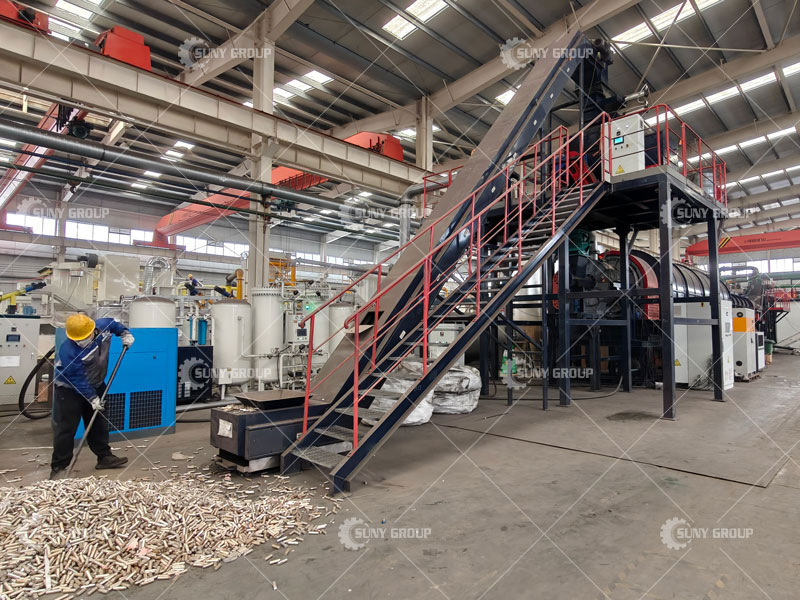
A complete lithium battery recycling production line typically includes:
-
Battery discharge equipment
-
Automatic feeding and conveying system
-
Primary and secondary crushers
-
Magnetic separation system (iron removal)
-
Air separation system (plastic and aluminum separation)
-
Sieving and classification system
-
Dust collection and environmental protection units
This modular configuration allows flexible capacity expansion and customization based on battery type and processing volume.
Recycled Materials and Their Applications
After processing by a lithium ion battery recycle machine, valuable materials are recovered and reused across multiple industries.
Main Recycled Outputs
-
Black mass (lithium, cobalt, nickel compounds)
-
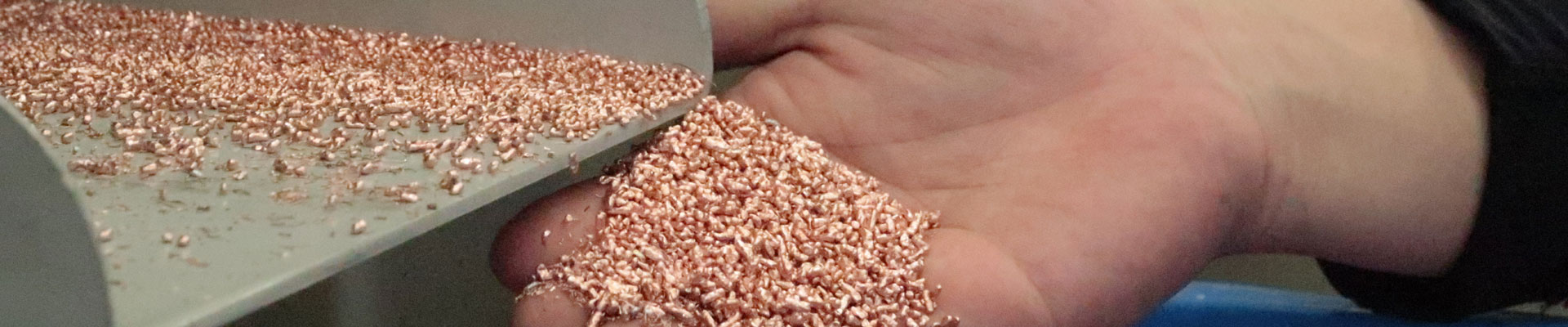
Copper granules
-
Aluminum fragments
-
Steel shells
-
Plastic separators
Application Industries
-
Battery manufacturing
-
New energy vehicles
-
Electronics manufacturing
-
Metallurgical refining
-
Chemical material production
Recycled battery materials significantly reduce carbon emissions and production costs compared to virgin mining.
The growing number of retired lithium-ion batteries presents both an environmental challenge and a lucrative opportunity. Investing in a lithium ion battery recycle machine enables efficient resource recovery, regulatory compliance, and sustainable profit generation. As global demand for battery materials continues to rise, lithium battery recycling will remain a high-growth, high-value industry for years to come.